In the realm of industrial automation and machinery, proximity sensors are indispensable components for non-contact detection of objects. Among the various types, the 3-wire micro proximity sensor stands out for its compact size, reliability, and ease of integration. This article delves into the working principles, wiring configurations, applications, and selection criteria for these sensors, tailored for electrical engineers and industry professionals.
A 3-wire micro proximity sensor typically operates on the principle of electromagnetic induction or capacitive sensing, depending on whether it is inductive or capacitive. Inductive sensors detect metallic objects by generating an electromagnetic field, while capacitive sensors can detect both metallic and non-metallic materials by sensing changes in capacitance. The "micro" designation refers to its small form factor, often with sensing ranges from a few millimeters to about 15 mm, making it ideal for space-constrained environments.
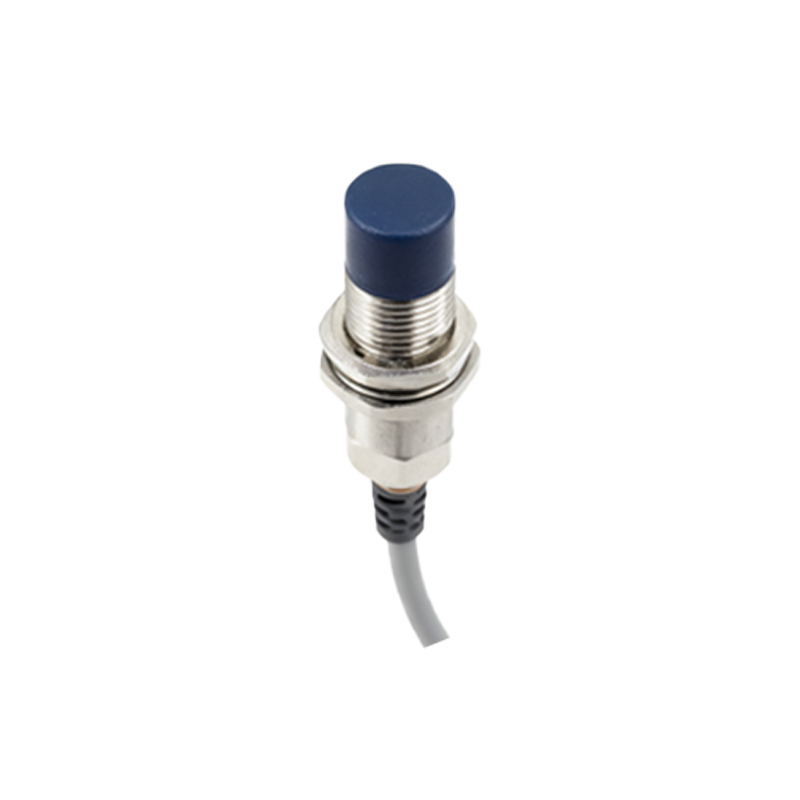
The wiring configuration is a key feature: the three wires usually consist of a brown wire for positive supply voltage (typically 10-30 V DC), a blue wire for negative or ground, and a black wire for the output signal. This output can be either NPN (sinking) or PNP (sourcing), which determines how the sensor interfaces with control systems like PLCs. In NPN configurations, the output switches the negative side, common in Asian and European markets, while PNP switches the positive side, prevalent in North America. Proper wiring is crucial to avoid damage and ensure optimal performance, with shielding recommended in electrically noisy environments to prevent interference.
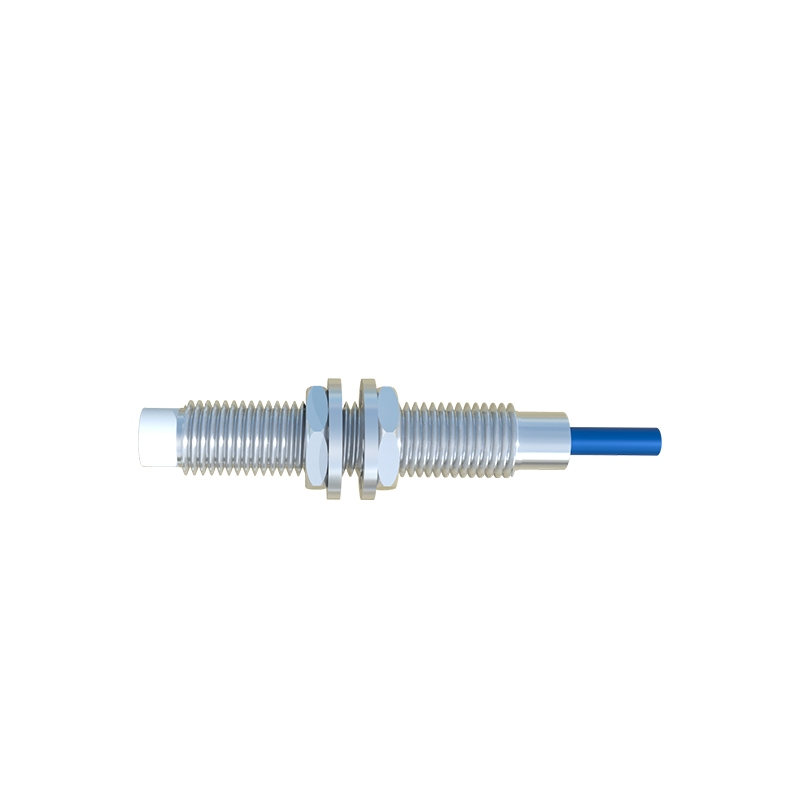
Applications of 3-wire micro proximity sensors are widespread across industries. In manufacturing, they are used for position sensing, part counting, and end-of-travel detection in conveyor systems. Robotics relies on them for precise movement control, while automotive assembly lines employ them for quality checks. Their durability, with IP67 or higher ratings for resistance to dust and moisture, makes them suitable for harsh conditions. Engineers should consider factors like sensing distance, material compatibility, response time (often in microseconds), and environmental ratings when selecting a sensor.
Maintenance and troubleshooting involve regular checks for alignment, contamination, and voltage stability. Common issues include false triggers due to metal debris or wiring faults, which can be mitigated through proper installation and periodic calibration. As technology advances, these sensors are evolving with features like IO-Link connectivity for smart factory integration, enabling real-time diagnostics and data exchange.
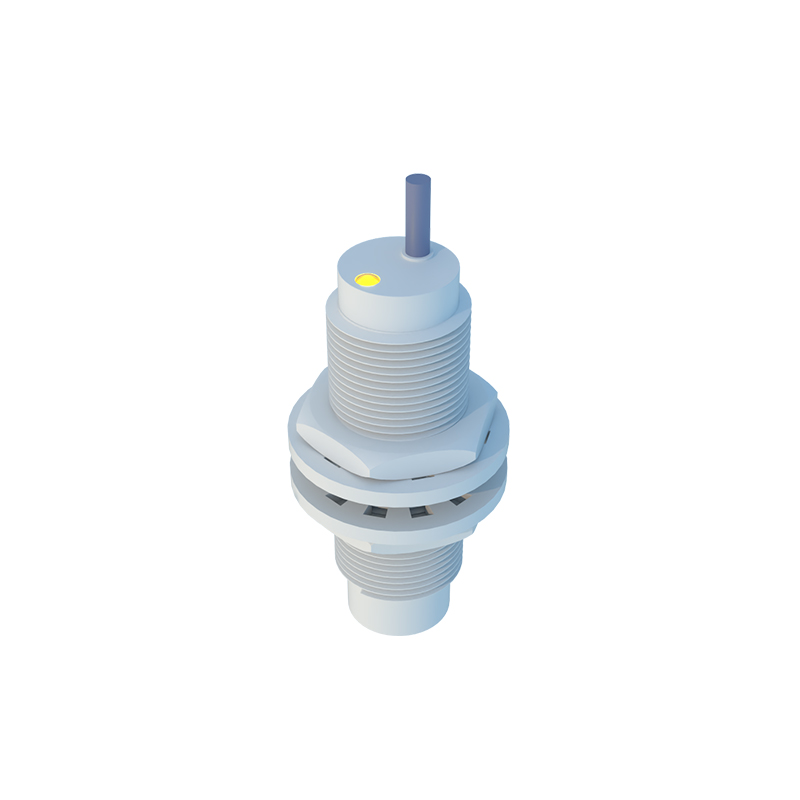
In summary, 3-wire micro proximity sensors offer a robust solution for automated detection tasks. Their design balances size, functionality, and cost-effectiveness, driving efficiency in modern industrial systems. By understanding their specifications and applications, engineers can leverage these sensors to enhance operational reliability and productivity.