Proximity sensors have become indispensable components in modern industrial automation, offering non-contact detection of objects with high precision and reliability. As an experienced electrical engineer in the field, I have witnessed firsthand how these devices revolutionize manufacturing processes across various sectors. This article delves into the practical applications of brand proximity sensors, highlighting their critical role in enhancing efficiency, safety, and productivity.
In automotive manufacturing, proximity sensors are extensively used for assembly line automation. They detect the presence of vehicle components, such as engine parts or body panels, ensuring precise positioning before robotic welding or painting. For instance, inductive sensors identify metal parts without physical contact, preventing damage and reducing maintenance costs. Capacitive sensors, on the other hand, are employed to detect non-metallic materials like plastics or liquids, making them ideal for monitoring fluid levels in reservoirs.
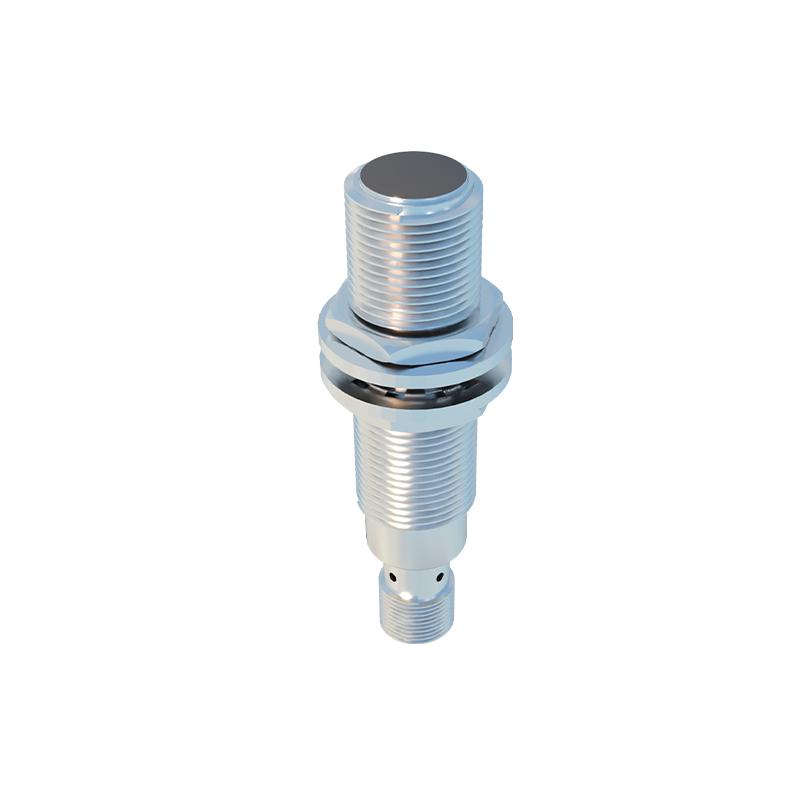
The packaging industry relies heavily on proximity sensors to streamline operations. Photoelectric sensors, a subtype of proximity sensors, are utilized to count products on conveyor belts, verify label placement, and inspect packaging integrity. Their ability to detect objects from a distance, even in challenging environments with dust or moisture, ensures consistent throughput. In food and beverage processing, stainless-steel-housed sensors withstand harsh washdowns, maintaining hygiene standards while detecting containers or ingredients.
Material handling systems benefit significantly from proximity sensor integration. In warehouse automation, sensors guide autonomous mobile robots (AMRs) by detecting obstacles or navigation markers, preventing collisions and optimizing routes. Magnetic sensors monitor the position of lift gates or conveyor rollers, enabling seamless logistics operations. Moreover, ultrasonic sensors measure stack heights in storage racks, facilitating inventory management without manual intervention.
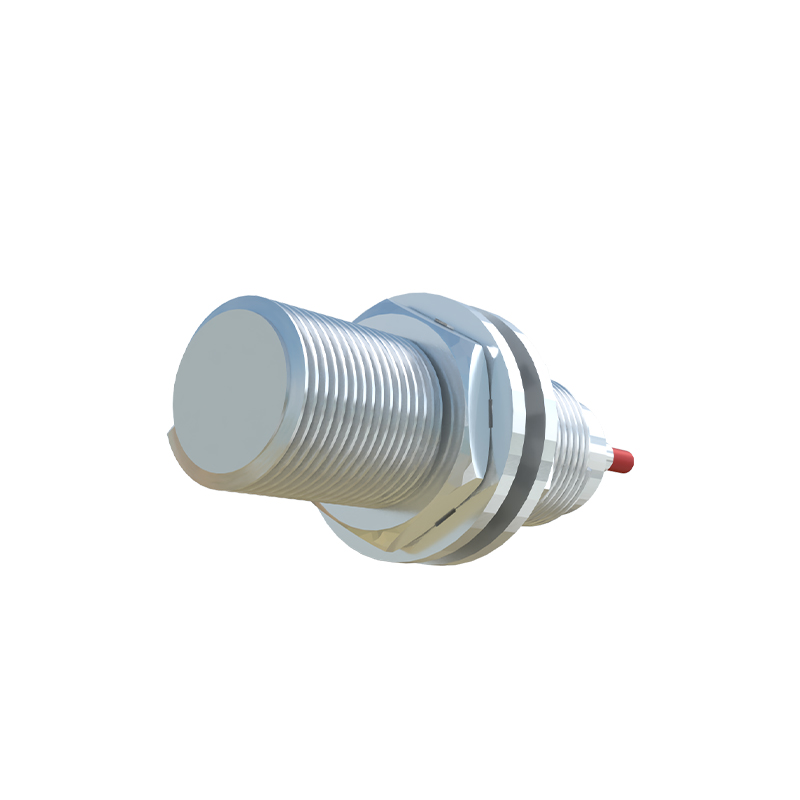
Safety applications represent another crucial domain for proximity sensors. In machinery guarding, these sensors create invisible protection zones around hazardous equipment, such as presses or robotic arms. If an operator breaches the zone, the sensor triggers an immediate shutdown, preventing accidents. Brand-specific safety-rated sensors comply with international standards like ISO 13849, ensuring reliable performance in life-critical scenarios. Additionally, sensors monitor door positions in industrial ovens or elevators, interlocking power supplies to avoid exposure to high temperatures or moving parts.
The energy sector leverages proximity sensors for predictive maintenance and monitoring. In wind turbines, sensors detect blade rotation speeds or gearbox vibrations, alerting technicians to potential failures before they cause downtime. Similarly, in oil and gas pipelines, sensors identify corrosion or leaks by measuring proximity to metal surfaces, enhancing operational safety. Advanced brands offer intrinsically safe sensors for explosive atmospheres, certified for use in refineries or chemical plants.
Emerging trends, such as Industry 4.0, further expand proximity sensor applications. Integrated with IoT platforms, sensors provide real-time data on machine performance, enabling predictive analytics and smart decision-making. For example, a sensor detecting tool wear in CNC machines can automatically schedule maintenance, reducing unplanned outages. Wireless proximity sensors simplify installation in remote or rotating equipment, eliminating wiring complexities and lowering installation costs.
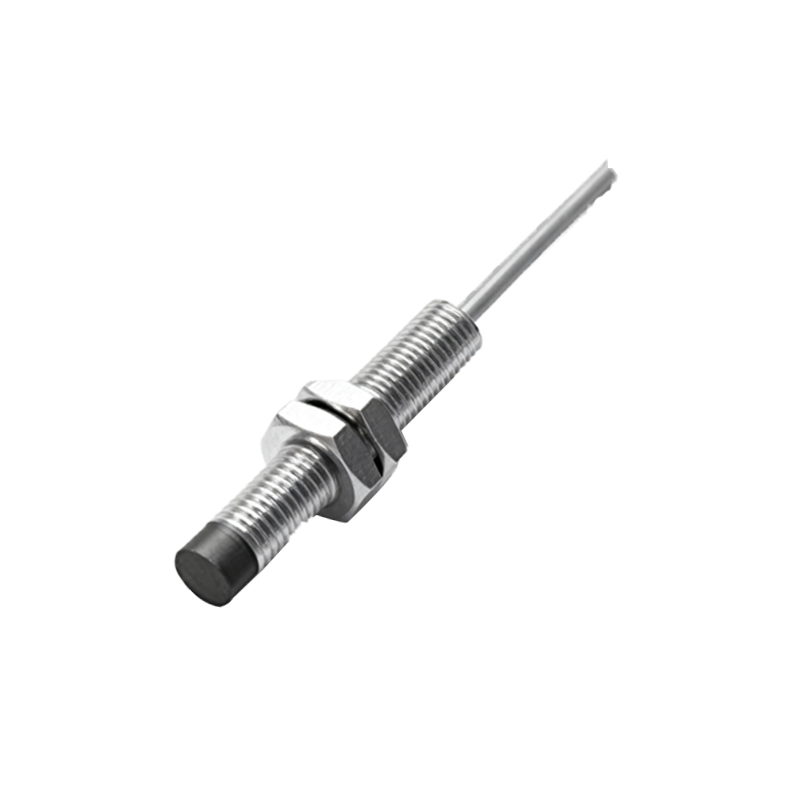
In conclusion, brand proximity sensors are versatile tools that drive innovation in industrial automation. From automotive assembly to energy management, their ability to operate reliably in diverse conditions makes them a cornerstone of modern engineering. As technology advances, we can expect even broader adoption, with sensors becoming smarter, more connected, and integral to achieving sustainable and efficient industrial operations. Engineers and technicians should prioritize selecting reputable brands that offer durability, accuracy, and compliance with industry standards to maximize long-term benefits.