Laser distance sensors, also known as laser rangefinders or LiDAR sensors in some configurations, have become indispensable tools across numerous industries. Their core principle involves emitting a laser beam towards a target and measuring the time it takes for the reflected light to return, a method known as Time-of-Flight (ToF). This technology enables precise, non-contact distance measurement. Understanding their strengths and limitations is crucial for selecting the right sensor for a specific application.
One of the most significant advantages of laser distance sensors is their exceptional accuracy and precision. They can reliably measure distances with sub-millimeter resolution, even over long ranges. This makes them ideal for applications where minute variations matter, such as in industrial automation for positioning robotic arms, in construction for alignment and leveling, or in quality control for verifying part dimensions. The high degree of repeatability ensures consistent results over time.
Speed is another paramount benefit. Measurements are taken almost instantaneously, with high-end sensors capable of taking thousands of readings per second. This real-time capability is essential for dynamic processes. For instance, in logistics, they can rapidly measure parcel dimensions on a moving conveyor belt. In automotive applications, they are used in adaptive cruise control systems to monitor the distance to vehicles ahead, requiring extremely fast update rates for safety.

The non-contact nature of laser measurement offers profound advantages. It eliminates the risk of damaging delicate or sensitive surfaces, such as polished metals, soft materials, or electronic components. Furthermore, it allows for measuring objects that are inaccessible, hazardous, or in motion—like molten metal in a furnace, fast-rotating machinery parts, or vehicles on a highway. This characteristic also reduces wear and tear on the sensor itself, as there is no physical contact with the target.
Laser sensors are also renowned for their long operating range. Depending on the model and laser class, they can measure distances from a few centimeters up to several hundred meters. This versatility allows a single technology platform to serve diverse needs, from close-up inspection tasks on a production line to large-scale topographic surveying and forestry management.
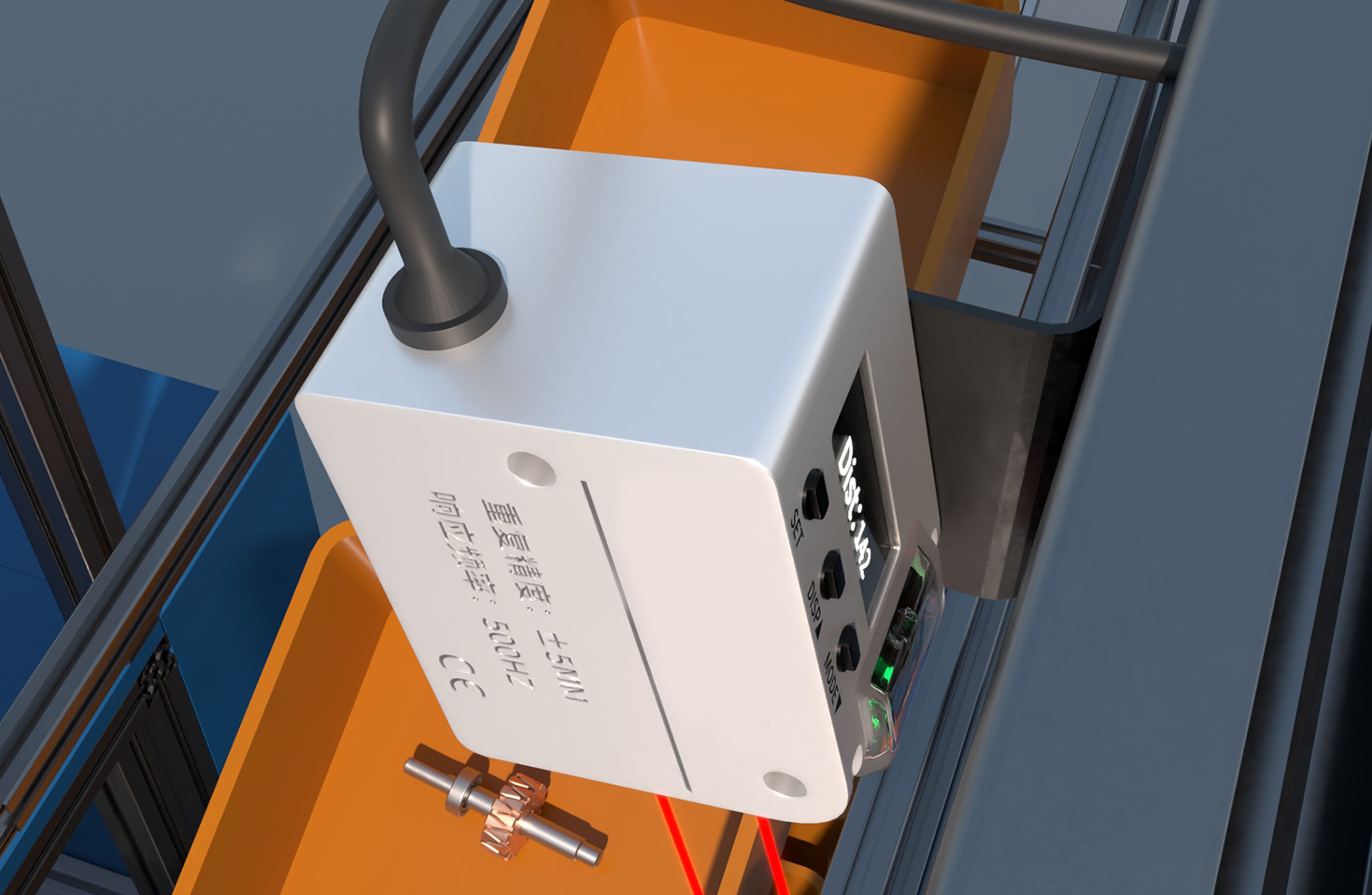
However, laser distance sensors are not without their drawbacks. A primary disadvantage is their sensitivity to environmental conditions. The laser beam can be adversely affected by atmospheric interference. Fog, dust, steam, and heavy rain can scatter or absorb the laser light, leading to measurement errors or a complete loss of signal. Similarly, very bright ambient light, especially direct sunlight, can overwhelm the sensor's receiver, making it difficult to detect the faint return signal.
The characteristics of the target surface itself pose another challenge. Transparent materials like glass or clear plastic may allow the laser beam to pass through entirely, preventing a reliable reflection. Highly reflective or specular surfaces, such as mirrors or polished metal, can scatter the beam unpredictably. Conversely, dark, matte, or absorptive surfaces (like black velvet) may absorb most of the laser energy, resulting in a weak or non-existent return signal. These issues often necessitate using a retro-reflective target or applying a special coating to the object.
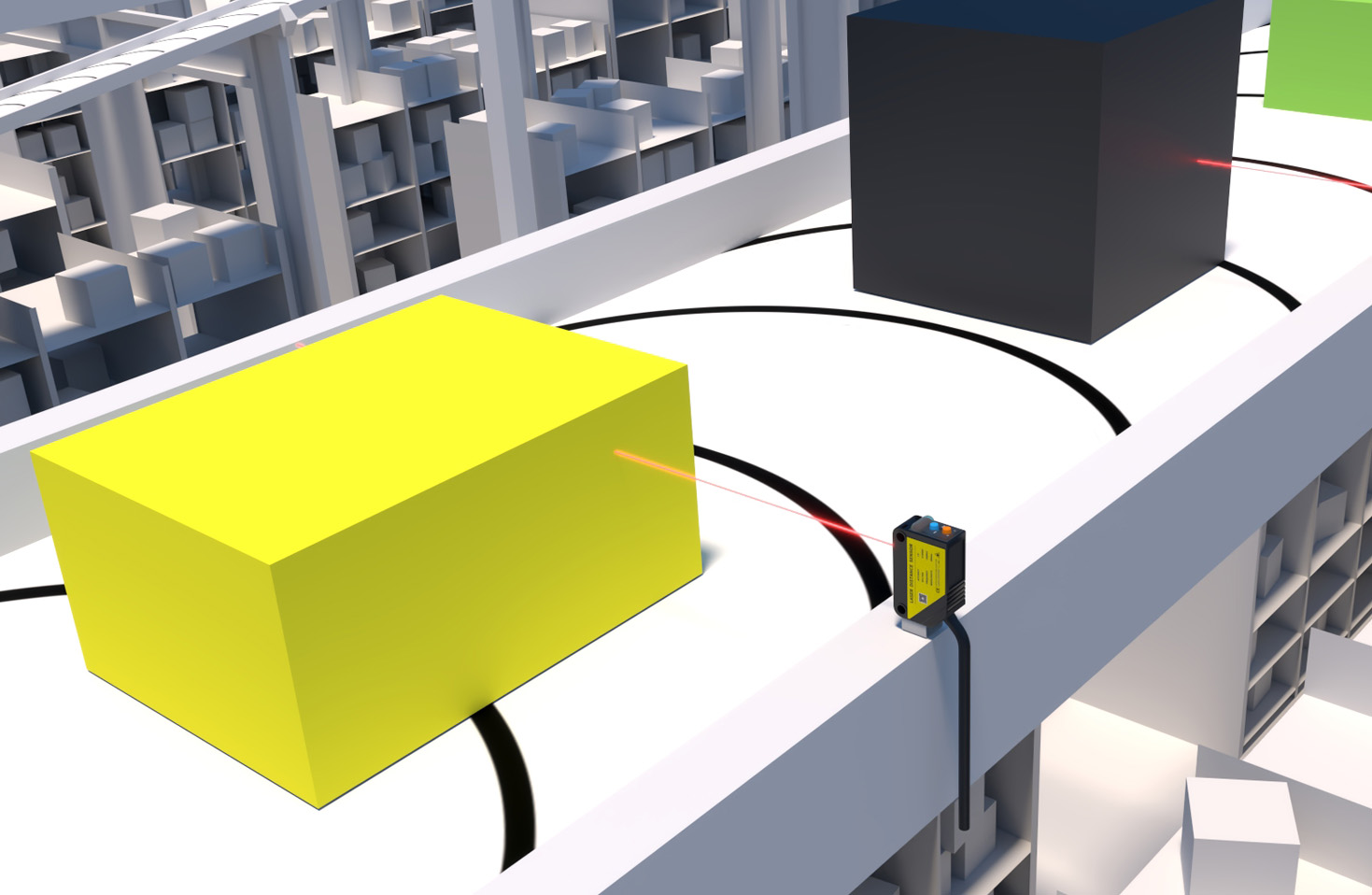
Cost is a considerable factor, especially for high-precision, long-range, or safety-rated models. Laser sensors are generally more expensive than ultrasonic or infrared sensors. The initial investment includes not only the sensor unit but often also protective housings, mounting fixtures, and associated signal processing electronics. For applications requiring only basic proximity detection, a lower-cost alternative may be more economical.
Safety is a critical consideration that cannot be overlooked. While most industrial sensors use Class 1 or Class 2 lasers, which are considered eye-safe under normal operating conditions, higher-power models used in surveying or defense can pose a serious risk to human vision. Proper safety protocols, training, and protective equipment are mandatory when using such devices. Regulatory compliance adds a layer of complexity to their deployment.
Finally, the complexity of integration can be a hurdle. Interfacing a laser sensor with a control system (like a PLC), calibrating it for a specific environment, and programming it for complex tasks requires technical expertise. Signal interpretation, filtering out noise, and ensuring stable performance in a challenging industrial setting often demand specialized knowledge.
In conclusion, laser distance sensors offer a powerful combination of high accuracy, speed, and non-contact operation, making them superior for demanding measurement tasks. Yet, their performance can be compromised by environmental factors, target surface properties, and cost considerations. A thorough evaluation of the specific application environment, target material, required performance specifications, and budget is essential. For many high-stakes applications in manufacturing, robotics, and metrology, their advantages overwhelmingly justify the investment, provided their limitations are well understood and mitigated.