In the landscape of industrial automation and control, the reliable detection of objects without physical contact is paramount. Among the myriad of non-contact sensing technologies, ultrasonic proximity sensors stand out for their versatility, robustness, and precision. This article delves into the operational principles, core advantages, diverse applications, and critical selection criteria for these indispensable devices, providing a comprehensive guide for electrical and automation engineers.
Fundamental Operating Principle
At its core, an ultrasonic proximity sensor operates on the principle of echolocation, similar to sonar or radar. The sensor emits high-frequency sound waves, typically in the range of 40 kHz to 400 kHz, which are inaudible to the human ear. These sound pulses travel through the air until they encounter a target object. Upon striking the object, the waves are reflected back towards the sensor. A built-in receiver detects this echo. By precisely measuring the time interval between the emission of the pulse and the reception of its echo, the sensor's internal electronics can calculate the distance to the target using the known speed of sound in air. This time-of-flight (ToF) measurement forms the basis for both proximity detection (presence/absence) and precise distance measurement.
Key Advantages and Characteristics
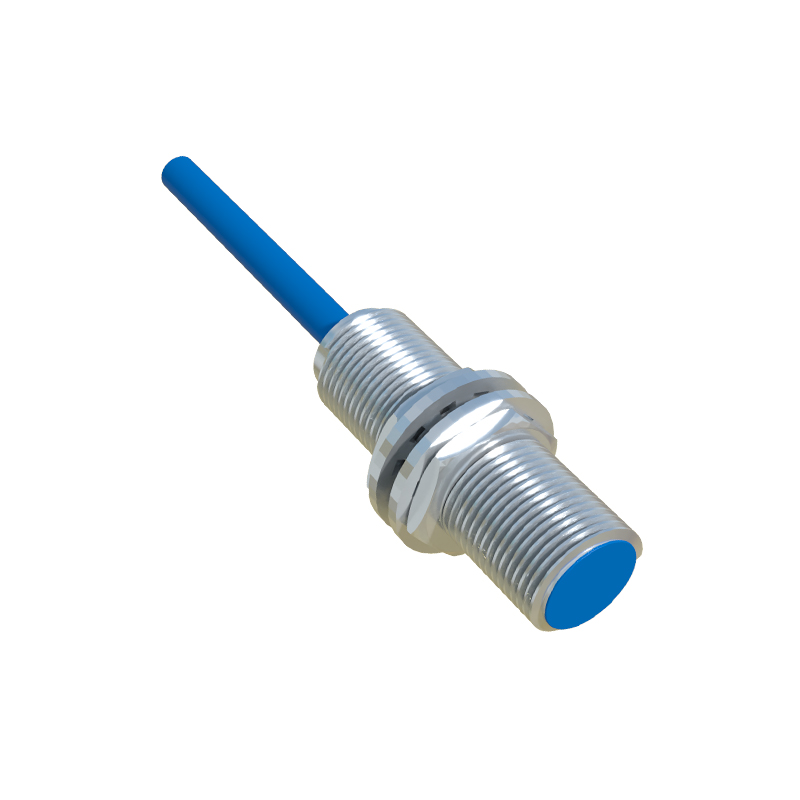
Ultrasonic sensors offer a unique set of benefits that make them suitable for challenging environments where other sensors may falter.
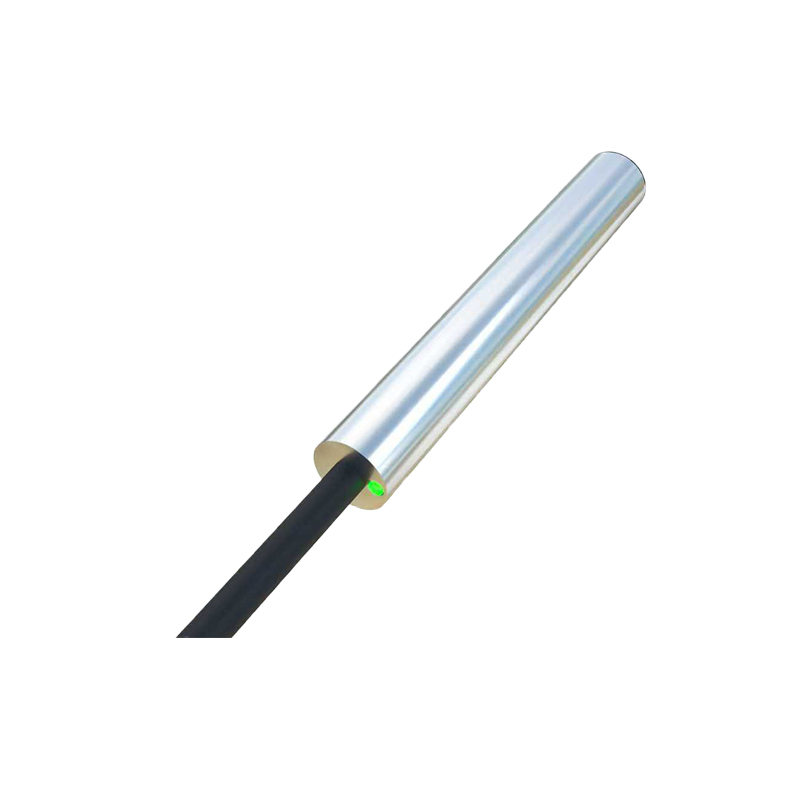
Material Independence: Unlike photoelectric sensors, ultrasonic waves can detect objects regardless of their color, transparency, or surface finish. They reliably sense glass, liquids, opaque plastics, and metallic surfaces with equal efficacy.
Environmental Robustness: They are largely unaffected by ambient light conditions, dust, smoke, or fog. This makes them ideal for dirty, humid, or outdoor applications where optical sensors might generate false triggers.
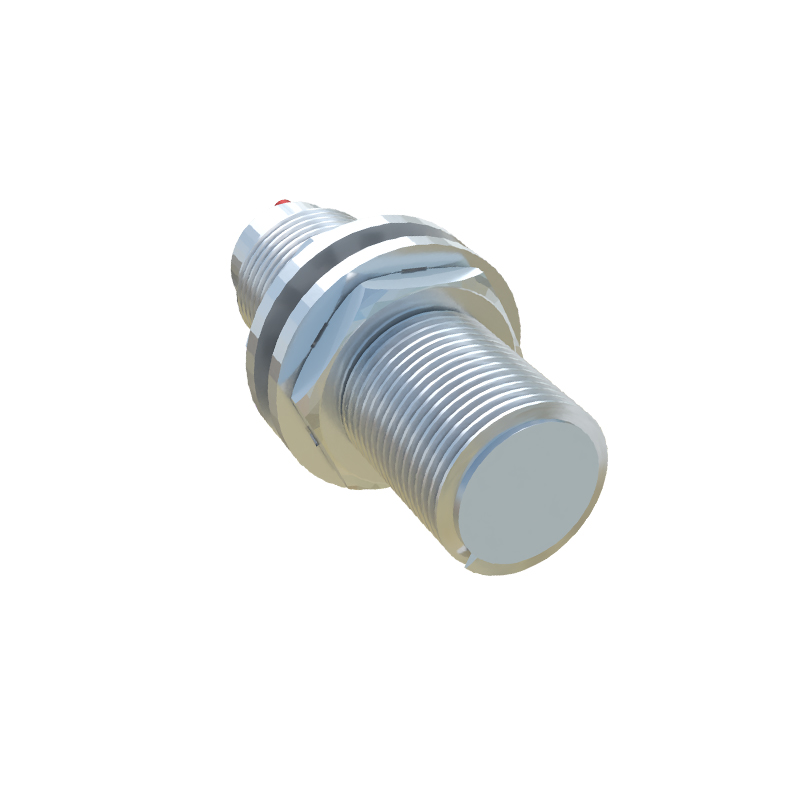
Long Sensing Ranges: Capable of detecting objects from a few centimeters up to several meters away, offering greater flexibility in machine design.
Solid-State Reliability: With no moving mechanical parts, they exhibit high long-term reliability and require minimal maintenance.
Common Industrial Applications
The unique capabilities of ultrasonic sensors have led to their widespread adoption across various sectors:
1. Level Measurement and Control: One of the most prevalent uses is in continuous level monitoring of liquids, powders, and granular solids in tanks, silos, and hoppers. They provide non-contact, reliable measurement for process control and inventory management.
2. Object Detection and Counting: On conveyor lines, they detect packages, bottles, or components for counting, sorting, and triggering subsequent processes. Their ability to see through dust is particularly valuable in packaging and material handling.
3. Parking and Collision Avoidance: Used in automated guided vehicles (AGVs), forklifts, and industrial machinery to prevent collisions and assist in precise positioning.
4. Loop Control and Web Guiding: In paper, textile, and film processing, they monitor the position or slack of a continuous web to maintain proper tension and alignment.
5. Fill Level Inspection: In bottling and filling plants, they verify the correct fill height in containers, regardless of the container's color or transparency.
Critical Selection Criteria for Engineers
Choosing the right ultrasonic sensor requires careful consideration of several application-specific parameters:
Sensing Range: Define the minimum and maximum distances the sensor must reliably cover. Always consider a safety margin beyond the nominal range.
Beam Pattern and Angle: Understand the sensor's sound cone. Narrow beams are for precise detection, while wide beams are better for detecting uneven surfaces or for presence detection over an area.
Output Type: Select based on control system requirements: discrete (PNP/NPN switch, relay) for simple on/off detection, or analog (4-20 mA, 0-10 V) for continuous distance measurement. IO-Link enabled sensors offer advanced diagnostics and parameterization.
Response Time and Update Rate: Critical for high-speed applications. Ensure the sensor's cycle time is fast enough for the process dynamics.
Environmental Factors: Account for extreme temperatures, high pressure/vacuum, or windy conditions, as these can affect sound wave propagation. Special models with temperature compensation are available.
Housing and Protection Rating: The enclosure material (typically metal or plastic) and Ingress Protection (IP) rating must be suitable for the operational environment (e.g., washdown, corrosive atmospheres).
Mounting and Alignment: Consider mechanical constraints and the need for adjustable mounting brackets to ensure proper alignment with the target.
Installation and Troubleshooting Tips
Proper installation is crucial for optimal performance. Avoid mounting sensors on vibrating surfaces. Ensure the sensing path is clear of obstructions and soft materials (like foam) that absorb sound. For level sensing, position the sensor perpendicular to