In the realm of high-precision industrial metrology, laser tracker sensors represent a critical investment for sectors such as aerospace, automotive manufacturing, and heavy machinery. The price of a laser tracker sensor system is not a single figure but a spectrum influenced by a confluence of technical specifications, brand positioning, and ancillary service packages. Typically, entry-level systems can start from approximately $50,000, while high-end, large-volume systems with extended range and ultra-high accuracy can exceed $250,000. This significant variance warrants a detailed examination.
The core determinant of laser tracker sensor price is measurement performance. Key specifications include measurement range, single-point accuracy (often expressed in microns per meter), and sampling rate. Systems boasting accuracies better than ±10 µm/m over distances up to 80 meters command a premium. The type of laser interferometer or absolute distance meter (ADM) technology integrated—such as a combined interferometer/ADM system for uninterrupted tracking—directly impacts cost. Furthermore, the inclusion of advanced features like wireless communication, enhanced environmental compensation packages for temperature and pressure, and compatibility with a wide array of retroreflectors (e.g., spherically mounted retroreflectors - SMRs of varying grades) adds layers to the base price.

Brand reputation and market presence constitute another major pricing pillar. Established manufacturers like Hexagon, FARO, and API have built their price points on decades of R&D, proven reliability, and extensive global support networks. Their systems often come at a higher initial cost but are associated with lower total cost of ownership due to durability, software ecosystem maturity (e.g., SpatialAnalyzer, CAM2), and readily available calibration services. Newer entrants or brands focusing on specific niches may offer more competitive pricing to gain market share, though potential buyers must carefully evaluate long-term support and software updates.
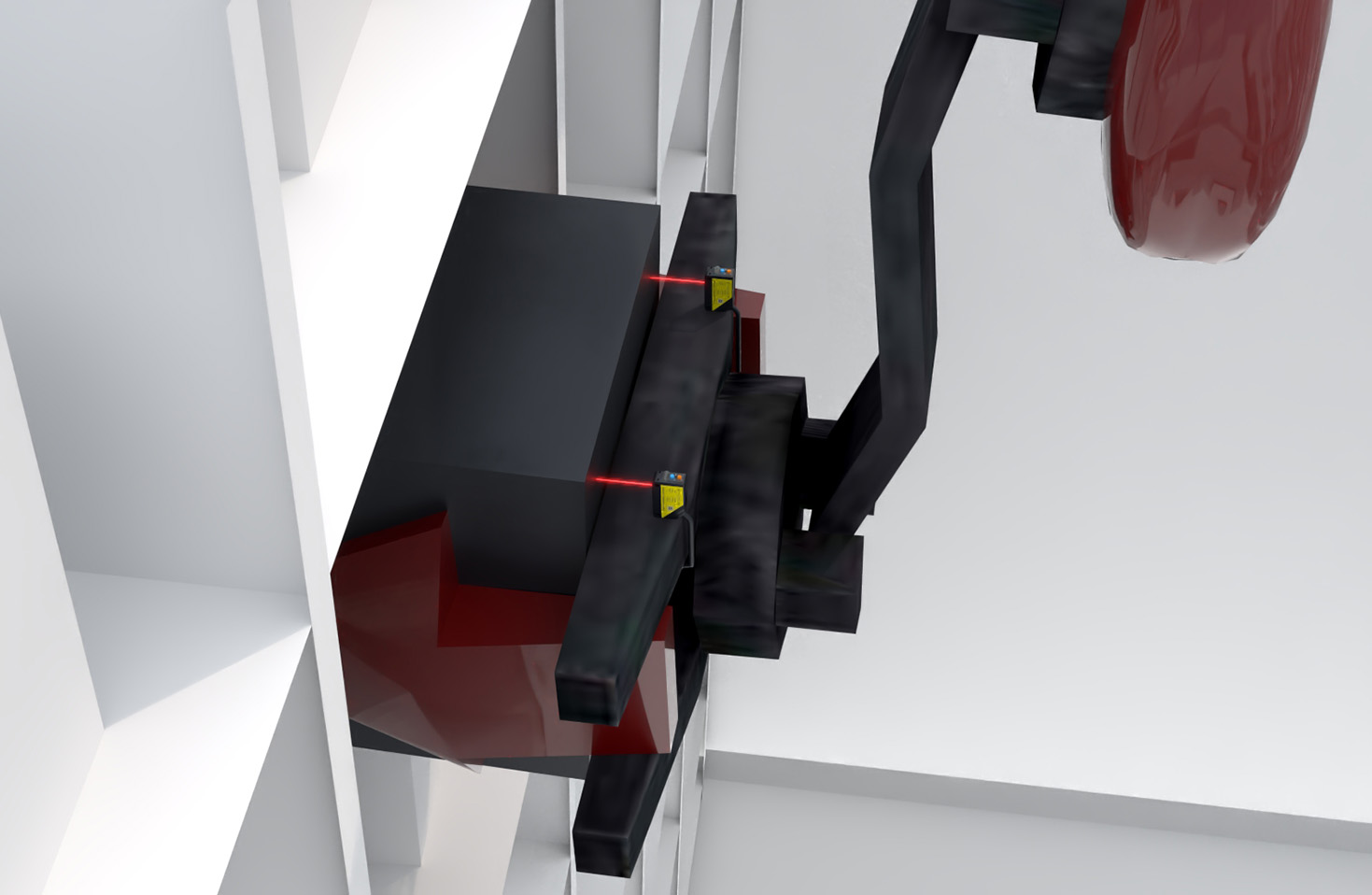
The concept of the "system price" is crucial. A laser tracker is rarely purchased as a standalone sensor. The final quotation almost always includes essential accessories: a selection of SMRs, a sensor mount or tripod, environmental sensors, and proprietary software licenses. Comprehensive training, on-site installation, and warranty terms (typically 1-3 years) are integral cost components. Some vendors offer flexible financing or leasing options, which can affect the perceived price point for capital budgeting.
Market trends are actively shaping laser tracker sensor pricing. The increasing integration of automation, such as robotic arm guidance and in-process verification, is driving demand for faster, more robust sensors, sustaining prices for high-performance models. Simultaneously, competition and technological maturation in certain accuracy brackets are applying downward pressure on mid-range system prices. The growing emphasis on portable metrology and the integration of laser trackers with other systems like articulated arms or photogrammetry is creating bundled solution packages, which can offer better value than individual component pricing.
For procurement specialists and engineering managers, the decision transcends the initial laser tracker sensor price. A thorough Total Cost of Ownership (TCO) analysis is imperative. This must factor in calibration frequency and costs, software subscription fees, potential downtime costs, and the expected lifecycle of the hardware. A slightly higher initial investment in a system with superior accuracy, robustness, and software support can lead to substantial savings in rework, scrap reduction, and improved production efficiency over a 5-10 year period. Requesting detailed demonstrations using your specific application scenarios and obtaining multiple quotes with clear breakdowns is the most effective strategy for navigating this complex and significant capital investment.