In the realm of industrial measurement and control, digital thermometers have emerged as indispensable tools, revolutionizing how temperature is monitored across diverse sectors. Unlike traditional analog devices, digital thermometers leverage advanced sensor technologies and microprocessors to deliver unparalleled accuracy, reliability, and ease of use. This article delves into the core principles, technological advancements, and practical applications of digital thermometers, highlighting their critical role in modern engineering and industrial processes.
The fundamental operation of a digital thermometer hinges on temperature sensors, with thermocouples, resistance temperature detectors (RTDs), and thermistors being the most prevalent. Thermocouples, composed of two dissimilar metals, generate a voltage proportional to the temperature difference between their junctions. RTDs, typically made of platinum, exhibit a predictable change in electrical resistance with temperature, offering high precision and stability. Thermistors, semiconductor-based devices, provide high sensitivity within limited temperature ranges. These sensors convert thermal energy into electrical signals, which are then processed by an analog-to-digital converter (ADC) and displayed on a digital readout, often an LCD or LED screen.
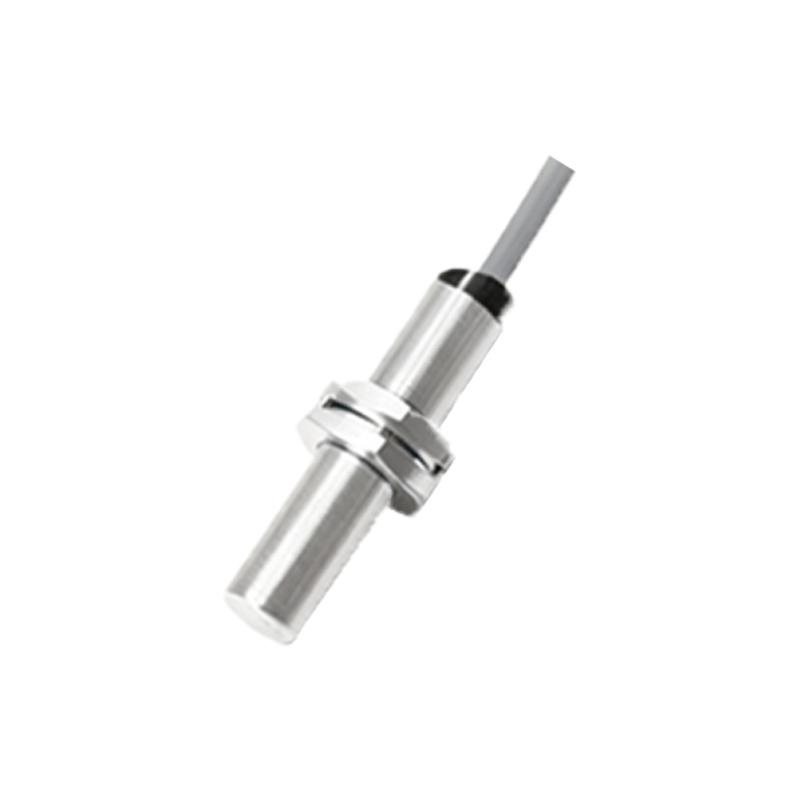
Recent technological innovations have significantly enhanced digital thermometer capabilities. Microcontroller integration allows for sophisticated features such as data logging, programmable alarms, and wireless connectivity via Bluetooth or Wi-Fi. High-resolution ADCs enable measurements with resolutions down to 0.1°C or finer, crucial for applications demanding extreme precision. Additionally, advancements in sensor materials and design have expanded operational ranges, with some models capable of measuring from cryogenic temperatures up to over 2000°C. Robust enclosures with IP ratings ensure durability in harsh environments, including those with moisture, dust, or corrosive substances.
The applications of digital thermometers span a wide array of industries. In manufacturing, they are vital for process control in chemical plants, food production, and pharmaceutical manufacturing, where precise temperature regulation ensures product quality and safety. In the energy sector, digital thermometers monitor equipment such as transformers and turbines, preventing overheating and optimizing efficiency. HVAC systems rely on them for climate control in commercial and residential buildings, enhancing energy conservation. Laboratory and research facilities utilize high-precision models for experiments in materials science, biology, and environmental studies. Furthermore, in automotive and aerospace engineering, these devices test component performance under varying thermal conditions.
Selecting the appropriate digital thermometer requires careful consideration of several factors. Measurement range and accuracy are paramount; for instance, RTDs are preferred for stable, high-accuracy needs, while thermocouples suit wider ranges. Response time is critical in dynamic processes, where fast sensor reaction is essential. Environmental conditions dictate the need for protective housings or specialized probes. User interface features, including backlit displays, waterproof designs, and software compatibility, also influence usability. Calibration and maintenance are equally important, as regular checks against reference standards ensure long-term reliability and compliance with industry regulations like ISO 9001.
Looking ahead, the future of digital thermometers is intertwined with trends in Industry 4.0 and the Internet of Things (IoT). Smart thermometers with embedded intelligence can perform self-diagnostics, predictive maintenance, and seamless integration into centralized monitoring systems. The adoption of artificial intelligence may enable adaptive calibration and anomaly detection, further reducing human intervention. As sustainability gains emphasis, energy-efficient designs and eco-friendly materials will become standard. These developments promise to elevate digital thermometers from mere measurement tools to integral components of automated, data-driven industrial ecosystems.
In conclusion, digital thermometers represent a convergence of precision engineering and digital innovation. Their evolution from simple electronic devices to sophisticated, connected instruments underscores their vital contribution to operational efficiency, safety, and quality across global industries. By understanding their technology and applications, engineers and technicians can harness their full potential to address contemporary challenges in temperature management.