Object proximity light sensors, often referred to as photoelectric sensors, are fundamental components in modern industrial automation and control systems. These devices operate by emitting a beam of light—typically infrared, visible red, or laser—and detecting changes in the received light signal caused by the presence or absence of a target object within a specified sensing range. Their primary function is to provide non-contact detection, enabling precise, reliable, and rapid feedback for machinery control, safety systems, and process monitoring.
The core operational principle involves three main configurations: through-beam, retro-reflective, and diffuse reflective. Through-beam sensors consist of separate emitter and receiver units. The object is detected when it interrupts the light beam traveling from the emitter to the receiver, offering the longest sensing distances and highest reliability. Retro-reflective sensors house both emitter and receiver in a single housing, using a reflector to bounce the light beam back. Detection occurs when the object breaks this reflected beam. Diffuse reflective sensors, also known as proximity-mode sensors, detect the object by measuring the light reflected directly from the target's surface. This configuration is highly versatile for detecting objects at closer ranges without the need for a separate reflector.
The applications of object proximity light sensors are vast and critical. In manufacturing assembly lines, they are indispensable for part presence verification, accurate counting, and precise positioning. For instance, they ensure a component is correctly placed before a robotic arm executes a welding or assembly operation, preventing costly errors and downtime. In packaging machinery, these sensors detect labels, monitor fill levels, and confirm package sealing. The logistics and material handling sector relies on them for pallet detection, conveyor belt control, and automated guided vehicle (AGV) navigation, ensuring smooth and efficient material flow.
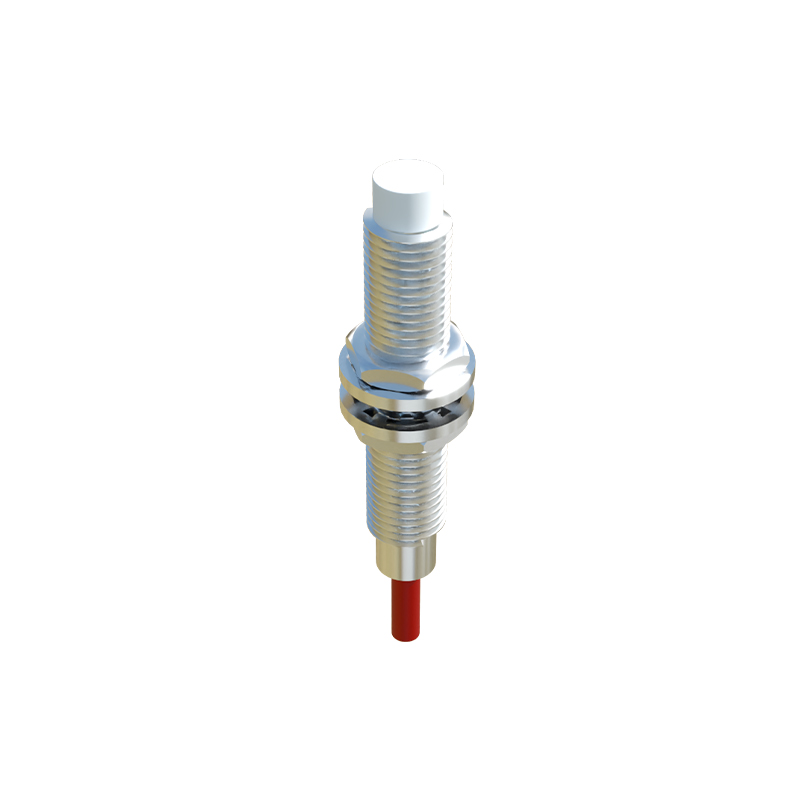
Beyond basic detection, advanced sensors incorporate background suppression and foreground suppression technologies. Background suppression sensors use triangulation principles to measure distance, ignoring objects beyond a set range, which is crucial for detecting objects on a conveyor belt while ignoring the belt itself or more distant structures. Foreground suppression is designed to detect only objects within a very close, defined zone, ignoring any reflective surfaces in the background. These features significantly enhance application flexibility and reliability in complex environments.
Safety is another paramount domain. Light curtains and safety laser scanners are sophisticated arrays of proximity light sensors that create invisible protective fields around hazardous machinery. Any intrusion into this field triggers an immediate emergency stop, safeguarding personnel. Furthermore, in cleanroom environments or with delicate products, the non-contact nature of light sensors prevents contamination or damage that could be caused by physical switches.
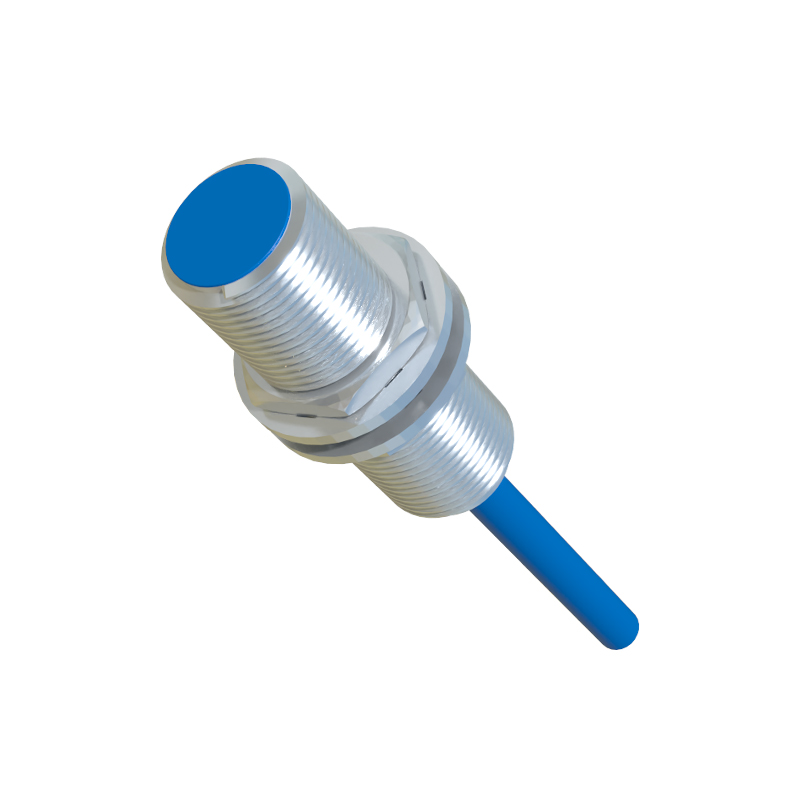
When selecting an object proximity light sensor, engineers must consider several key parameters. The sensing range, which varies from a few millimeters to several hundred meters depending on the type and light source, must be appropriate for the application. The response time, often in microseconds, determines how fast the sensor can detect a passing object, which is vital for high-speed production. Environmental factors such as ambient light, dust, fog, temperature extremes, and potential optical interference from other sensors must be evaluated. Modern sensors feature robust housings (IP67/IP69K ratings), built-in diagnostics via IO-Link communication, and adjustable sensitivity to combat these challenges.
The integration of these sensors with Programmable Logic Controllers (PLCs) and Industrial Internet of Things (IIoT) systems represents the current evolution. Smart sensors can communicate not just a simple on/off signal but also diagnostic data like lens contamination levels, operating temperature, and signal strength, enabling predictive maintenance and reducing unplanned stoppages.
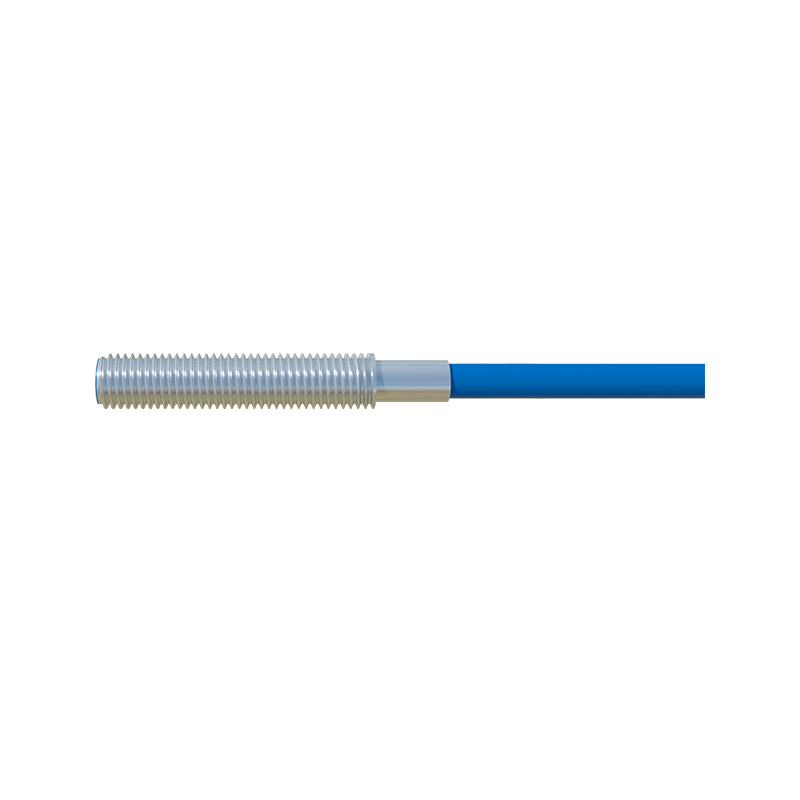
In conclusion, object proximity light sensors are the silent, vigilant eyes of industrial automation. Their ability to provide accurate, non-contact detection across diverse and demanding conditions makes them irreplaceable for ensuring efficiency, quality, and safety. From simple object counting to enabling complex robotic vision and safety systems, their role is foundational to the intelligence and responsiveness of modern automated processes. Continuous advancements in LED technology, laser diodes, and embedded intelligence promise even greater precision, miniaturization, and connectivity for the factories of the future.