In the rapidly evolving landscape of electrical engineering, laser-based human presence sensors have emerged as a pivotal technology, revolutionizing automation, security, and energy management systems. Unlike traditional passive infrared (PIR) sensors that detect motion through heat variations, laser sensors utilize precise laser beams—often in the infrared spectrum—to identify human presence with exceptional accuracy and reliability. These sensors operate by emitting a low-power laser beam and analyzing the reflected signal. When a person enters the monitored area, the beam's reflection changes in intensity or phase, triggering a detection event. This method allows for highly sensitive measurements, capable of distinguishing subtle movements such as breathing or minor gestures, making them ideal for applications requiring fine-tuned control.
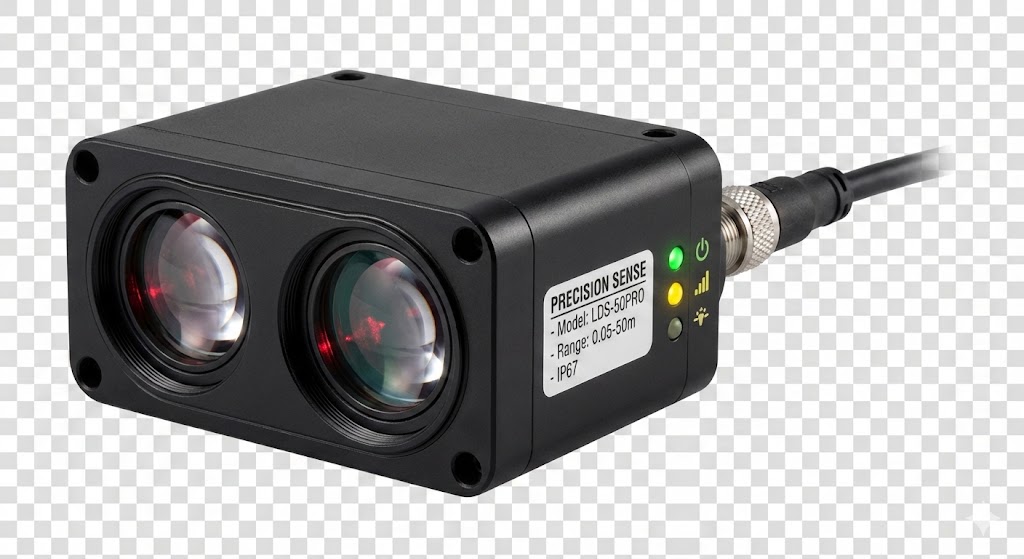
The core components of a laser human presence sensor include a laser diode, optical lens system, photodetector, and signal processing unit. The laser diode generates a coherent light beam, which is directed through lenses to create a defined detection zone. The photodetector captures the reflected light, converting it into an electrical signal. Advanced signal processing algorithms then filter out environmental noise—like ambient light or minor vibrations—ensuring minimal false positives. Many modern variants incorporate time-of-flight (ToF) or Doppler shift principles to measure distance and velocity, adding a layer of intelligence for dynamic environments. For instance, in smart buildings, these sensors can differentiate between a stationary occupant and moving objects, optimizing HVAC and lighting systems for energy efficiency without compromising comfort.
Applications of laser-based human presence sensors span diverse sectors. In industrial automation, they enhance safety by monitoring restricted zones, instantly halting machinery when a worker is detected in hazardous areas. In retail and office spaces, they enable touchless interactions and occupancy analytics, supporting data-driven decisions for space utilization. The healthcare industry benefits from non-intrusive patient monitoring, where sensors track vital signs or fall detection without physical contact. Moreover, in home automation, these devices integrate with smart systems to adjust lighting, climate, and security based on real-time human presence, elevating convenience and reducing energy waste. Their ability to function in challenging conditions—such as low light, high humidity, or dusty environments—makes them superior to conventional alternatives.
However, deploying laser sensors requires careful consideration of factors like beam alignment, power consumption, and regulatory compliance with laser safety standards (e.g., IEC 60825). Engineers must ensure that emissions remain within Class 1 or Class 2 limits to prevent eye damage, while also addressing privacy concerns through data encryption in networked setups. Future trends point toward miniaturization and integration with IoT platforms, allowing for scalable, wireless sensor networks that communicate via protocols like Zigbee or LoRaWAN. Research is also advancing multi-wavelength laser systems that can detect specific biological signatures, paving the way for enhanced biometric security.
In summary, laser-based human presence sensors represent a convergence of optics, electronics, and software, offering unparalleled precision in detecting human activity. As electrical engineering continues to embrace smart technologies, these sensors will play a crucial role in building responsive, efficient, and safe environments. By leveraging their high sensitivity and adaptability, professionals can drive innovation across industries, from manufacturing floors to smart cities, ultimately shaping a more interconnected and intelligent world.