In the demanding environment of industrial welding, precision, reliability, and durability are non-negotiable. Welding machines, whether for arc, resistance, or laser applications, rely on a symphony of components to function optimally. Among the most critical yet often understated elements are proximity switch sensors. These non-contact sensing devices are pivotal for automation, safety, and process control, ensuring seamless operation in high-heat, high-vibration, and electromagnetically noisy conditions.
Proximity sensors designed for welding equipment are not standard off-the-shelf components. They are engineered to withstand extreme operational challenges. The primary function is to detect the presence or absence of a metallic target—such as a workpiece, fixture, or machine part—without physical contact. This detection triggers subsequent actions in the control circuit, like initiating a weld cycle, confirming part placement, or activating safety guards.
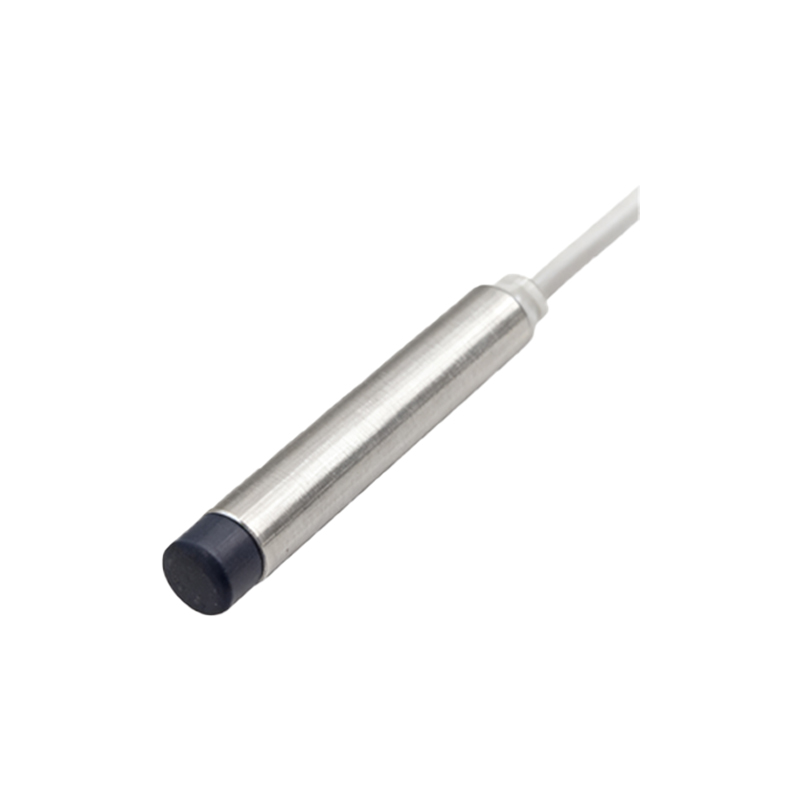
Several key factors dictate the selection and application of proximity sensors in welding systems:
1. Sensor Technology: Inductive proximity sensors are predominantly used due to their ability to detect ferrous and non-ferrous metals. They are immune to dust, smoke, and splatter—common byproducts of welding. For specific applications requiring detection of all materials, capacitive sensors might be employed, though they are less common in core welding functions.
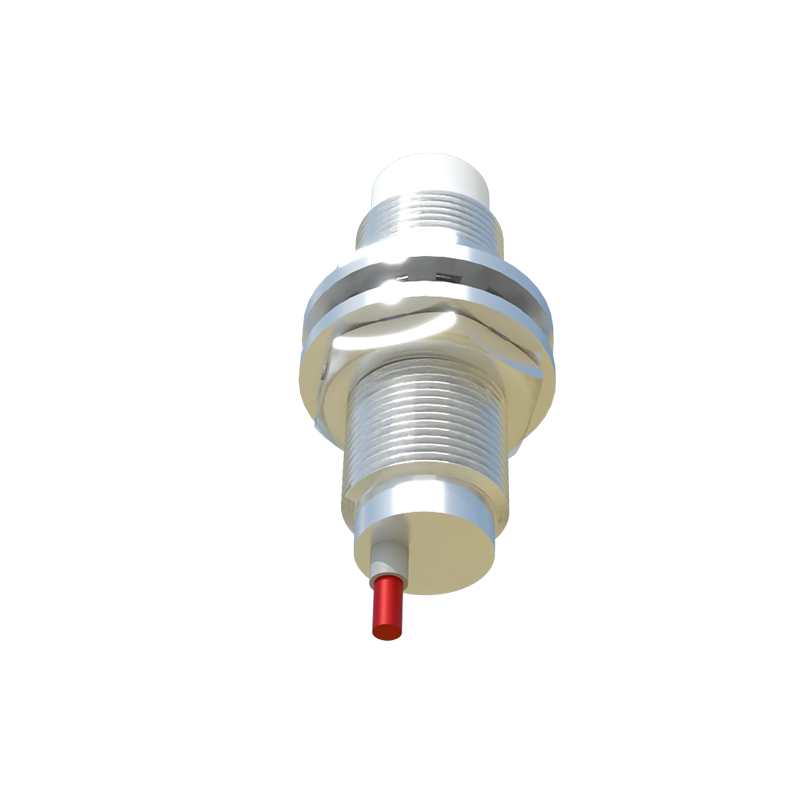
2. Environmental Robustness: Welding cells are harsh. Sensors must feature high-temperature ratings, often exceeding 100°C (212°F), to withstand radiant heat. The housing is typically made of stainless steel (e.g., V2A/AISI 304 or V4A/AISI 316) with high IP ratings (IP67, IP69K) for resistance against water, coolant, and grinding sparks. Specialized coatings or protective shrouds are common to deflect weld spatter.
3. Electrical Noise Immunity: Welding machines generate significant electromagnetic interference (EMI) from high currents. Premium welding-grade proximity sensors incorporate advanced shielding and circuitry designed for high noise immunity, preventing false triggering that could lead to defective welds or machine faults.
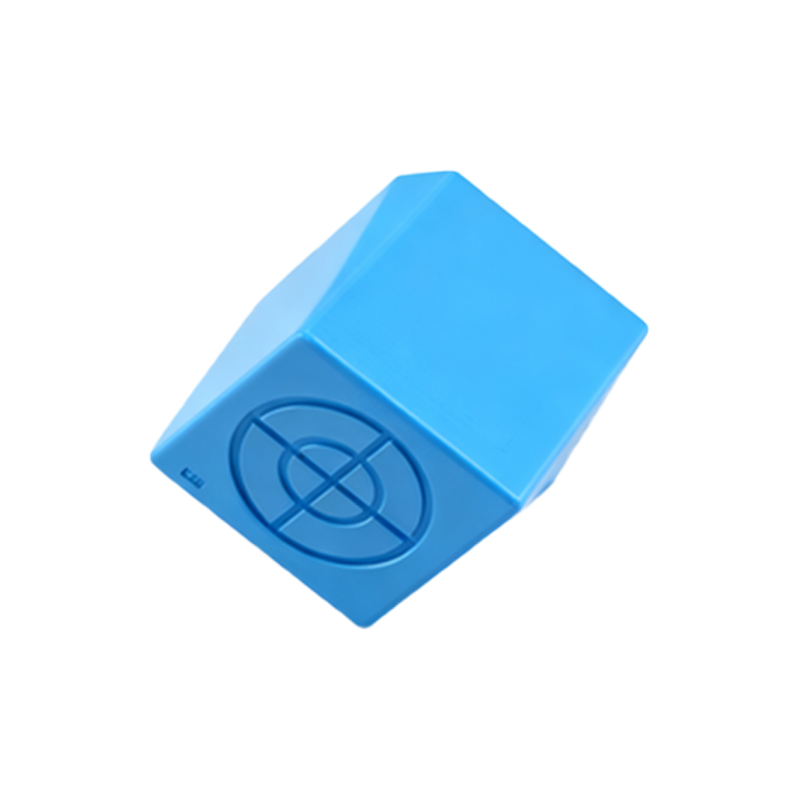
4. Output Configuration: Sensors typically provide digital outputs (PNP/NPN) to interface directly with the welding machine's Programmable Logic Controller (PLC) or dedicated weld controller. Analog output sensors are used for distance-proportional measurements, such as monitoring electrode wear in resistance welding.
5. Mounting and Sensing Range: Flush or non-flush mountable designs offer flexibility in installation. The sensing range must be carefully calculated to account for potential target variation and machine tolerances, ensuring consistent detection.
Common applications within welding machinery include:
Part Presence Verification: Confirming a workpiece is correctly loaded in a fixture before the weld cycle starts, preventing dry fires and tool damage.
Electrode Position Monitoring: In resistance spot welding, sensors monitor the position of welding electrodes to compensate for wear and ensure consistent pressure and alignment.
Safety Door Interlocking: Ensuring protective hoods or doors are securely closed before high-power welding can commence, protecting operators.
Tool Change Confirmation: In robotic welding cells, sensors verify the correct torch or tool is mounted automatically.
Clamp and Fixture Status: Detecting whether clamps are in the open or closed position, signaling the machine to proceed to the next step.
Installation and maintenance are crucial for longevity. Sensors should be mounted away from direct lines of spatter and extreme heat zones when possible. Using protective accessories like silicone spray or spatter guards can significantly extend service life. Regular checks for physical damage, buildup of spatter, and signal integrity are part of a proactive maintenance schedule.
The evolution of Industry 4.0 and smart manufacturing is influencing sensor technology for welding. Modern sensors with IO-Link capability provide not just a switch signal, but also diagnostic data—reporting operating temperature, signal strength, and overall health to the control system. This enables predictive maintenance, reducing unplanned downtime.
In conclusion, the welding machine专用接近开关传感器 is a cornerstone of modern welding automation. Its specialized design for harsh industrial environments ensures the repeatability, safety, and efficiency required in high-volume production. Selecting the right sensor—with appropriate specifications for temperature, housing, EMI immunity, and sensing range—is a critical engineering decision that directly impacts weld quality, equipment uptime, and overall operational cost. As welding processes become more advanced, the role of these robust and intelligent sensors will only continue to grow.