Proximity sensors are essential components in modern industrial automation and electronic systems. These devices detect the presence or absence of an object within a specific range without physical contact. They operate based on various principles, including electromagnetic, capacitive, ultrasonic, and optical technologies. Each type serves distinct applications, offering unique advantages in terms of accuracy, response time, and environmental adaptability.
Electromagnetic proximity sensors, often referred to as inductive sensors, are widely used in metal detection. They generate an electromagnetic field and detect changes caused by metallic objects. Common in manufacturing lines, these sensors ensure precise positioning of machinery parts. Capacitive sensors, on the other hand, can detect both metallic and non-metallic materials by measuring changes in capacitance. They are ideal for liquid level detection or plastic object recognition. Ultrasonic sensors use sound waves to measure distance, making them suitable for harsh environments where dust or moisture is present. Optical proximity sensors rely on infrared light to detect objects, commonly found in consumer electronics like smartphones for screen dimming features.
A key benefit of proximity sensors is their non-contact operation, which reduces wear and tear, enhancing durability and reliability. In automotive systems, they enable parking assistance and collision avoidance. In robotics, they provide accurate object detection for automated tasks. The healthcare industry utilizes them in medical devices for non-invasive monitoring.
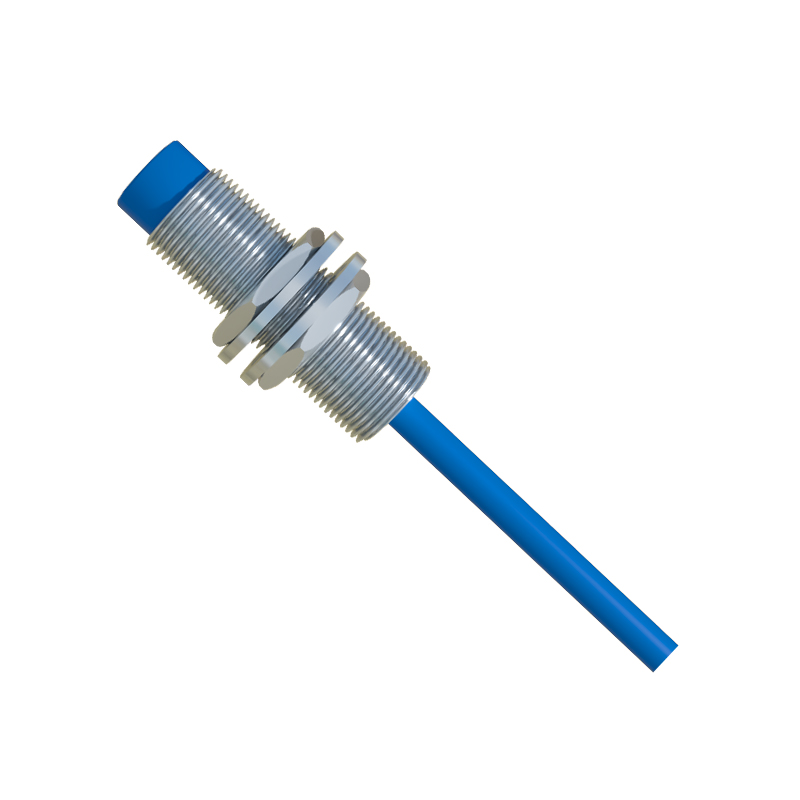
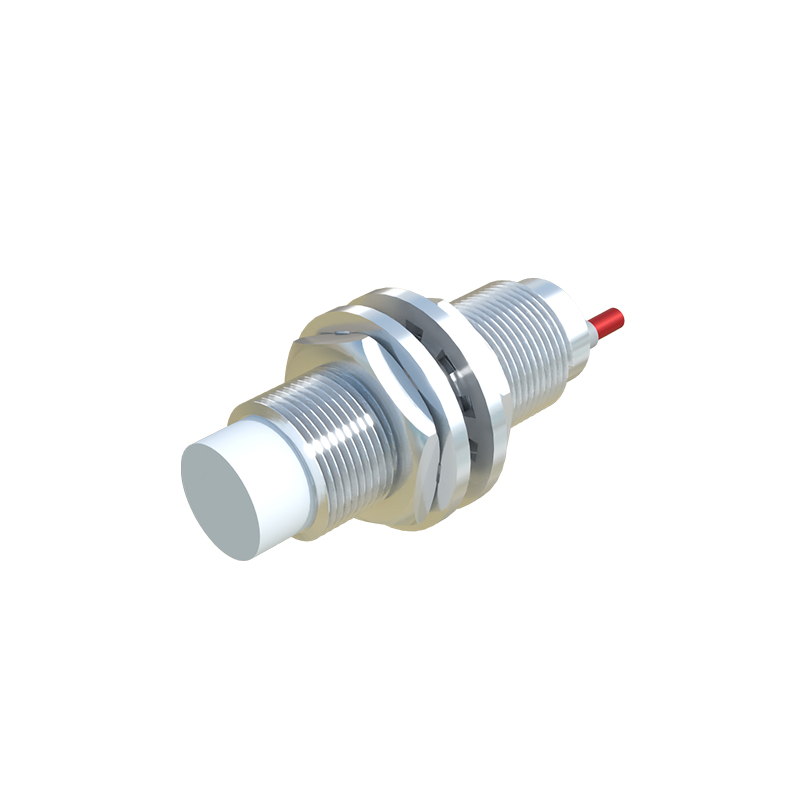
To aid understanding, visual references are invaluable. Images of inductive sensors typically show cylindrical or rectangular housings with LED indicators. Capacitive sensors often appear as compact units with sensitivity adjustment dials. Ultrasonic sensors feature transducer elements, while optical sensors include emitter and receiver components. Diagrams illustrating working principles, such as electromagnetic field lines or sound wave propagation, help clarify technical aspects. Installation examples in conveyor belts, robotic arms, or assembly machines demonstrate real-world applications. Graphs comparing detection ranges and response times across sensor types offer practical insights for selection.
When choosing a proximity sensor, factors like sensing distance, material compatibility, and environmental conditions must be considered. For instance, inductive sensors work best with ferrous metals, while capacitive sensors handle diverse materials. Regular maintenance, such as cleaning lenses in optical sensors or calibrating ultrasonic units, ensures optimal performance. Innovations like IoT integration allow sensors to transmit data for predictive maintenance, boosting efficiency in smart factories.
In summary, proximity sensors are versatile tools that drive automation across industries. By leveraging different technologies, they enable safer, more efficient operations. With comprehensive image guides, users can easily identify sensor types, understand their functions, and apply them effectively in various settings.