In the realm of industrial process control and environmental monitoring, accurate and reliable water level measurement is paramount. Among the diverse technologies available, laser water level sensors have emerged as a sophisticated and highly effective solution. This article delves into the operational principles, key applications, and distinct advantages of these advanced instruments.
At its core, a laser water level sensor operates on the principle of time-of-flight (ToF) measurement. The sensor emits a focused, coherent pulse of laser light towards the target liquid surface. This light beam travels at the known speed of light. Upon striking the liquid surface, a portion of the light is reflected back to a detector within the sensor. An integrated high-precision timer measures the elapsed time between the emission and the reception of the reflected pulse. Using the simple formula Distance = (Speed of Light × Time) / 2, the sensor's microprocessor calculates the exact distance to the liquid surface. By knowing the fixed reference point (typically the sensor's mounting position), the water level is determined with exceptional accuracy.
The technology offers several compelling advantages over traditional methods like float switches, ultrasonic sensors, or pressure transducers. Firstly, laser sensors provide non-contact measurement. The laser beam does not physically touch the liquid, eliminating issues of corrosion, fouling, or mechanical wear that plague contact-based sensors. This makes them ideal for aggressive chemicals, wastewater, or high-purity applications. Secondly, they boast extremely high precision and resolution, often in the sub-millimeter range. The focused laser spot is small and coherent, allowing for precise measurement even in confined spaces or with turbulent surfaces. Thirdly, laser sensors are largely immune to environmental factors that affect other technologies. Variables such as changing air composition, temperature gradients, vapor, dust, or foam have minimal impact on the laser beam's travel time, ensuring stable readings. Finally, they offer excellent response times, making them suitable for dynamic level control in fast-paced processes.
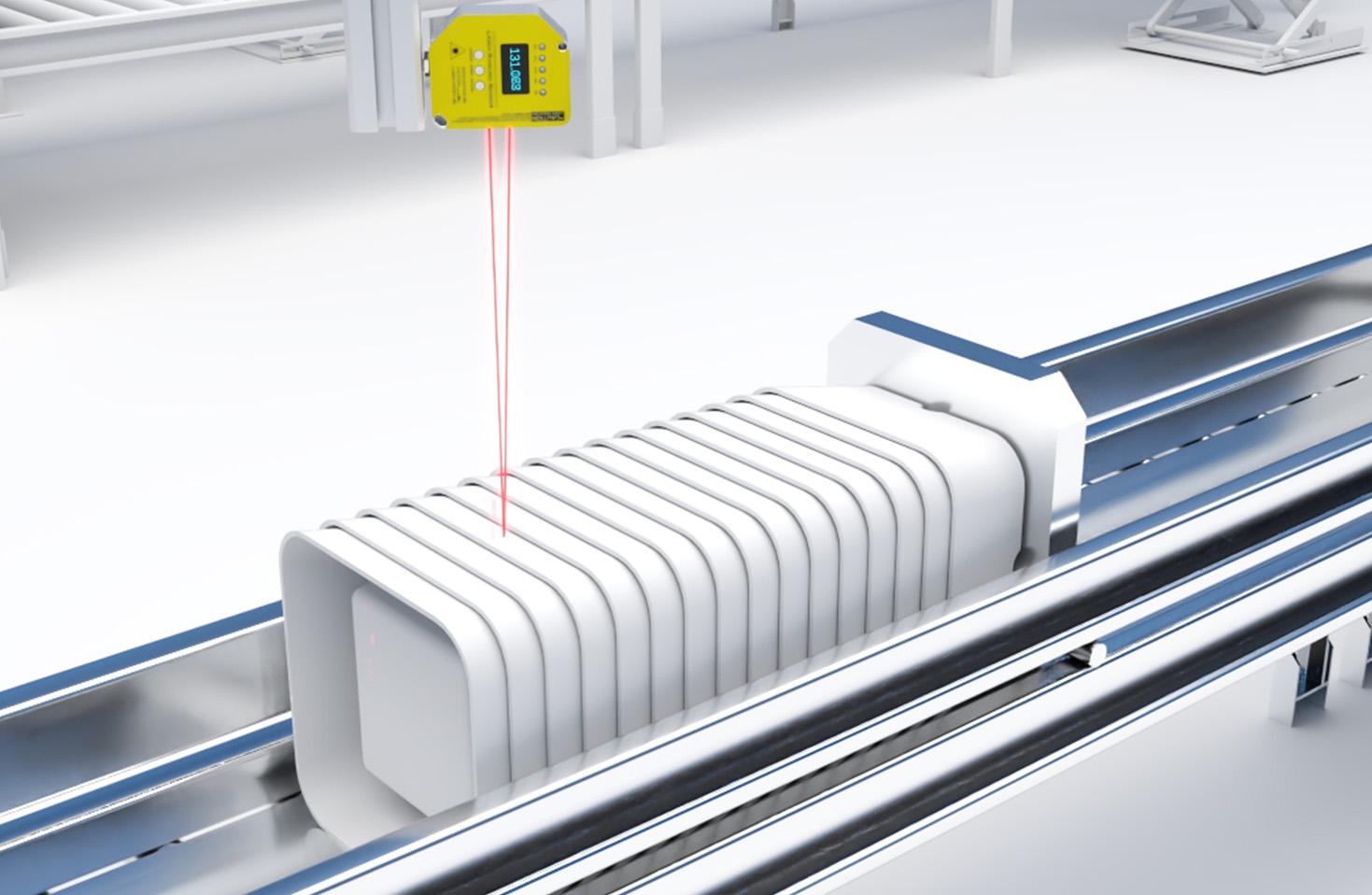
The applications for laser water level sensors are vast and varied across multiple industries. In the water and wastewater sector, they are deployed for monitoring reservoir levels, controlling pump stations, and measuring flow in open channels. The chemical and pharmaceutical industries utilize them for precise inventory management of corrosive or sterile liquids in storage tanks. In the power generation industry, they monitor boiler drum levels and condenser hotwells, where reliability is critical. Furthermore, they are increasingly used in hydrological studies for river and lake level monitoring, providing valuable data for flood warning systems. Their ability to measure levels in small bore wells or narrow shafts is also a significant benefit.
When selecting and installing a laser water level sensor, several factors must be considered. The choice of laser class (typically Class 2) is important for safety. The sensor's range must be appropriately specified for the application. For liquids with poor reflective properties (e.g., very dark or absorbent surfaces), some sensors offer enhanced sensitivity modes. Proper mounting is crucial; the sensor must be aligned perpendicular to the liquid surface to ensure the beam reflects directly back. In applications with heavy vapor or spray, a purge air collar may be recommended to keep the lens clean. Modern laser sensors often come with robust communication protocols like 4-20mA analog output, HART, Profibus, or Modbus, facilitating easy integration into SCADA and PLC systems.
In conclusion, laser water level sensors represent a pinnacle of precision measurement technology. Their non-contact nature, high accuracy, and environmental robustness make them a superior choice for demanding applications where traditional methods fall short. As industries continue to seek greater efficiency, safety, and data reliability, the adoption of laser-based sensing technology is poised for significant growth. Engineers and technicians are encouraged to evaluate this technology for their next level measurement project, considering the long-term operational benefits and reduced maintenance it offers.