In the realm of industrial automation and smart systems, the ability to detect human presence or proximity is not merely a convenience—it is a critical component of operational safety, energy efficiency, and process optimization. Proximity sensors, the silent sentinels of modern machinery, play a pivotal role in this domain. These devices, operating on various principles such as capacitive, inductive, ultrasonic, and photoelectric sensing, are engineered to detect the approach of an object, typically a person, without physical contact. This non-invasive detection capability forms the backbone of numerous safety and automation applications.
The fundamental operation hinges on the sensor's ability to perceive changes in its immediate environment. For instance, a capacitive proximity sensor generates an electrostatic field. When a person, whose body contains a significant amount of water and electrolytes, enters this field, it causes a detectable change in capacitance. This change triggers the sensor's output switch, sending a signal to the control system. Similarly, photoelectric sensors emit a beam of light (visible, infrared, or laser) and detect its reflection or interruption, while ultrasonic sensors use sound waves. The choice of technology depends on factors like required sensing range, material of the target, environmental conditions (dust, moisture), and response speed.
In industrial settings, the primary application is safety. Machine guarding is a paramount concern. Light curtains and safety laser scanners create invisible protective fields around hazardous areas of machinery, such as robotic arms, presses, or conveyor belts. The moment the sensor detects a breach—a worker's hand or body entering the danger zone—it sends an immediate stop signal to the machine's controller, halting operation and preventing potential injury. This functionality is often integrated into Safety Instrumented Systems (SIS) and complies with stringent international standards like ISO 13849 and IEC 62061.
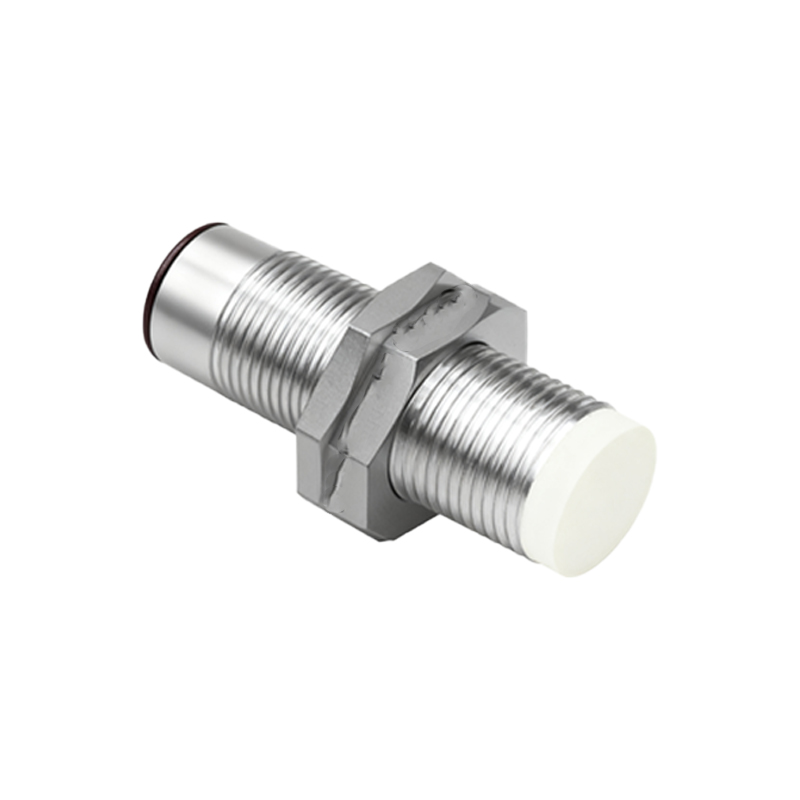
Beyond hard safety, proximity detection drives significant efficiency gains. In building automation, sensors control lighting and HVAC systems. Lights in warehouses, office corridors, or restrooms automatically turn on when someone approaches and turn off after a period of vacancy, leading to substantial energy savings. Similarly, HVAC zones can be adjusted based on occupancy, optimizing climate control. On assembly lines, sensors detect the approach of a workpiece or a technician, initiating the next step in the process, thereby streamlining workflow and reducing cycle times.
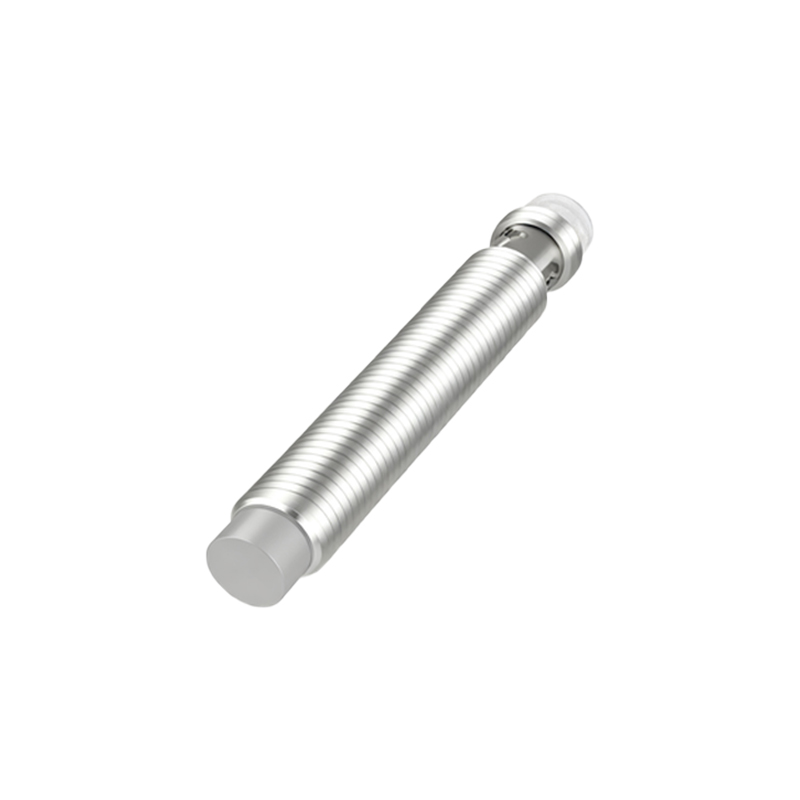
The integration of these sensors with the Industrial Internet of Things (IIoT) and data analytics platforms is the current frontier. Modern smart sensors provide not just a binary "on/off" signal but also diagnostic data and digital communication via protocols like IO-Link. This allows for predictive maintenance; the system can monitor sensor health and performance trends, alerting technicians to potential failures before they cause downtime. Furthermore, data on occupancy patterns can be analyzed to optimize facility layout, workflow design, and energy usage models.
However, effective implementation requires careful engineering consideration. False triggers from environmental noise (e.g., vibration for ultrasonic sensors, or metal debris for inductive sensors) must be mitigated through proper shielding, filtering algorithms, and sensor placement. The sensing range and field of view must be precisely calibrated to avoid blind spots or over-sensitive areas. Regular testing and validation are essential to ensure the reliability of the safety function.
In conclusion, proximity sensing technology is an indispensable element in the architecture of safe and intelligent industrial environments. From preventing catastrophic accidents to enabling subtle energy management, these devices bridge the gap between human activity and automated systems. As technology advances, with developments in more sophisticated vision systems and AI-powered analytics, the capabilities of proximity detection will only become more nuanced, reliable, and integral to the factories and smart buildings of the future. The core principle remains: sensing human presence is the first, most crucial step in creating an interactive, responsive, and ultimately safer automated world.