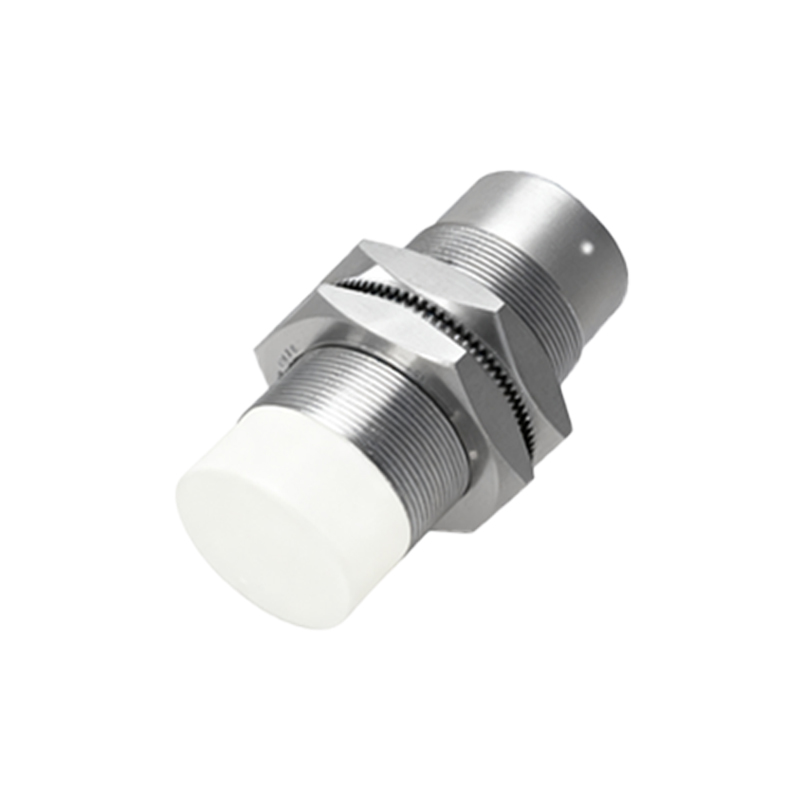
In modern industrial automation, conveyor systems are the arteries of material handling, and their reliable, efficient, and safe operation is paramount. At the heart of this reliability lies a critical component: the proximity sensor. These non-contact detection devices are indispensable for monitoring position, controlling motion, preventing jams, and ensuring safety on conveyor lines. Unlike mechanical limit switches, proximity sensors offer wear-free operation, high switching frequencies, and resilience in harsh environments, making them the preferred choice for engineers.
Proximity sensors function by emitting an electromagnetic field or a beam of electromagnetic radiation (infrared, for instance) and detecting changes in the field or return signal. For conveyor applications, the primary types are inductive, capacitive, and photoelectric sensors. Inductive proximity sensors are the workhorses for detecting metallic objects. They generate an oscillating electromagnetic field. When a ferrous or non-ferrous metal target enters this field, it induces eddy currents, causing a change in oscillation amplitude that is detected by the sensor's circuitry. This makes them ideal for counting metal parts, detecting the presence of pallets, or signaling the position of a metal slider or actuator on a conveyor.
Capacitive proximity sensors, on the other hand, can detect both metallic and non-metallic materials—liquids, plastics, wood, and glass. They operate by generating an electrostatic field. Any object with a dielectric constant different from air entering this field alters the capacitance of the circuit, triggering the output. In conveyor systems, they are exceptionally useful for detecting the level of bulk materials in hoppers feeding a conveyor, identifying the presence of non-metallic containers, or monitoring for product jams where the material is non-conductive.
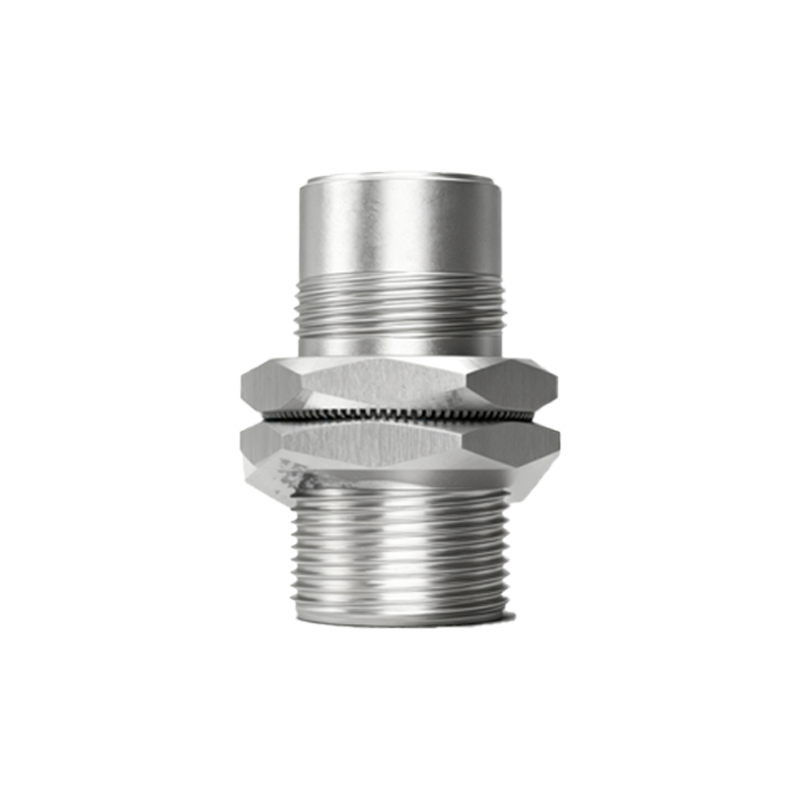
Photoelectric sensors provide the longest sensing ranges and are highly versatile. They operate by emitting a light beam (usually infrared, red, or laser) and detecting its presence or absence at a receiver. Common modes include through-beam (separate emitter and receiver), retro-reflective (with a reflector), and diffuse (reflective). On conveyors, they are extensively used for precise positioning, small part detection, transparent object detection (using polarized filters), and as safety curtains at loading/unloading zones. Their ability to sense virtually any material makes them a flexible solution.
Selecting the right proximity sensor for a conveyor application requires careful consideration of several key parameters. First is the sensing range, which must account for the target material, size, and required installation distance. Engineers must always refer to the rated operating distance specified for the intended target material. Environmental factors are crucial; sensors may need specific Ingress Protection (IP) ratings for dust or washdown conditions (e.g., IP67, IP69K), resistance to oils/coolants, and wide operating temperature ranges. The output type (PNP/NPN, NO/NC) must be compatible with the programmable logic controller (PLC) or control system. Response time and switching frequency must be adequate for the conveyor's speed to avoid missed detections. Finally, the physical housing (barrel, rectangular, ring-shaped) must suit the mounting constraints.
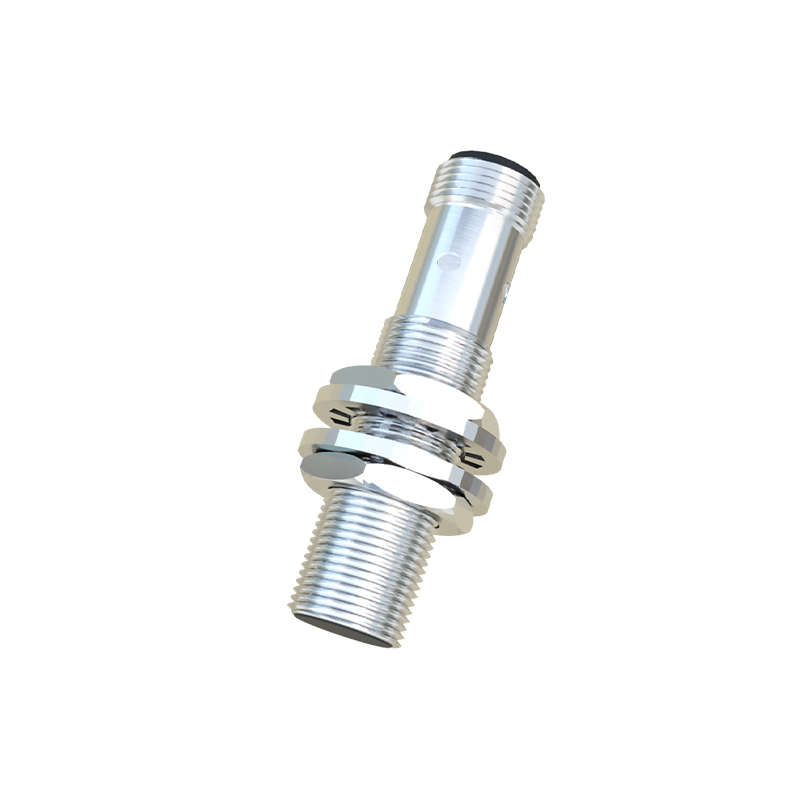
Best practices for installation and maintenance significantly extend sensor life and system uptime. Mounting must be secure to prevent vibration-induced misalignment, especially for photoelectric sensors. Maintaining the correct sensing distance and avoiding areas of excessive mechanical stress on the sensor body is critical. For inductive sensors, it is essential to ensure a "non-flush" or "flush" mounting style as per the design to achieve the stated sensing range. Regular cleaning of the sensing face to remove dust, debris, or buildup is necessary for consistent performance. Electrical wiring should follow EMC guidelines, using shielded cables in high-noise environments and ensuring proper grounding to prevent electromagnetic interference from motor drives or welders. Implementing routine checks as part of preventive maintenance, verifying the sensor's output signal and physical condition, can prevent unplanned downtime.
In conclusion, proximity sensors are vital for creating intelligent, responsive, and safe conveyor systems. A methodical approach to selection—balancing technology type, environmental demands, and performance specifications—combined with diligent installation and maintenance, ensures optimal material flow, enhances productivity, and safeguards both equipment and personnel. As conveyor systems evolve with Industry 4.0, these sensors will continue to be fundamental data points, feeding information into larger networks for predictive analytics and process optimization.