In modern industrial automation and quality control, precise volume measurement is a critical parameter across various sectors, including manufacturing, logistics, and material handling. Laser sensors have emerged as a leading technology for non-contact volume measurement, offering high accuracy, speed, and reliability. This article explores the principles, applications, and advantages of using laser sensors for volume measurement in industrial settings.
Laser sensors operate primarily on time-of-flight (ToF) or triangulation principles. In volume measurement, multiple laser sensors or a single scanning laser sensor is typically employed to capture the dimensions of an object—length, width, and height. Time-of-flight sensors calculate distance by measuring the time it takes for a laser pulse to reflect off a target and return to the sensor. This data is then used to create a three-dimensional profile of the object. Triangulation-based sensors, on the other hand, use a laser emitter and a receiver positioned at a known angle; the displacement of the reflected laser spot on the receiver allows for precise distance calculation. By integrating data from multiple points or using scanning techniques, the system can compute the object's volume with minimal error.
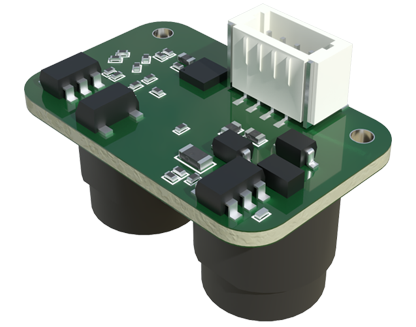
The applications of laser-based volume measurement are vast. In warehousing and logistics, laser sensors are integrated into dimensioning systems to measure packages on conveyor belts. This enables automated sorting, optimal space utilization in storage and transportation, and accurate billing based on volumetric weight. In manufacturing, such as in the automotive or aerospace industries, laser sensors verify the volume of components to ensure they meet design specifications, reducing waste and enhancing quality assurance. Additionally, in agriculture, laser sensors can estimate the volume of harvested crops or stored grains, aiding in inventory management and yield analysis.
One of the key advantages of laser sensors is their non-contact nature, which eliminates physical wear and tear and allows measurement of delicate or moving objects without interference. They provide high-speed data acquisition, often completing measurements in milliseconds, making them suitable for high-throughput environments. Moreover, laser sensors are highly accurate, with some models achieving sub-millimeter precision, and they perform consistently under various environmental conditions, including low light or dust, when properly calibrated and housed.
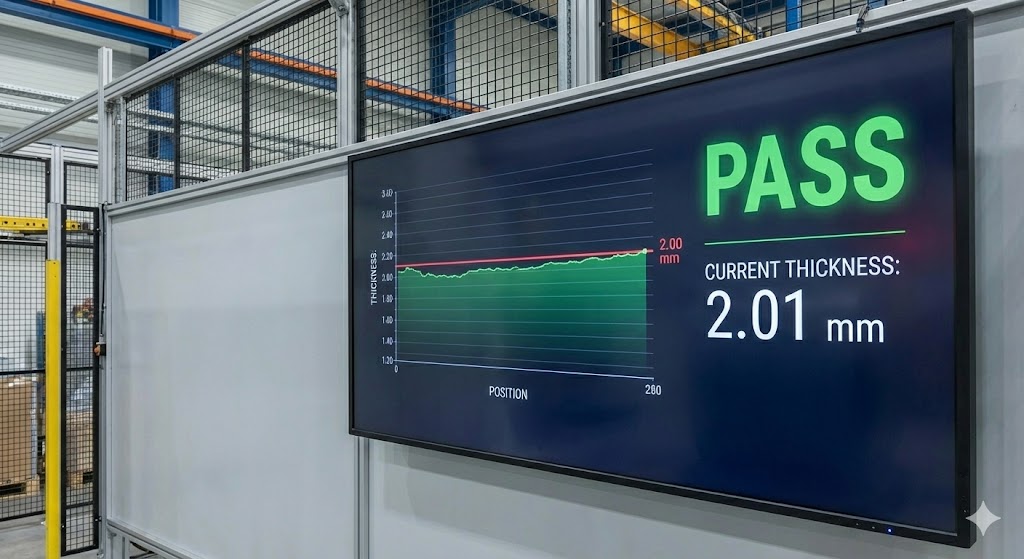
However, challenges exist. Reflective or transparent surfaces can interfere with laser reflection, leading to measurement errors. Advanced sensors often incorporate algorithms to filter out noise or use multiple wavelengths to mitigate such issues. Calibration is also crucial to maintain accuracy over time, especially in dynamic industrial settings. Integrating laser sensors with software systems for data processing and analysis further enhances their utility, enabling real-time monitoring and decision-making.
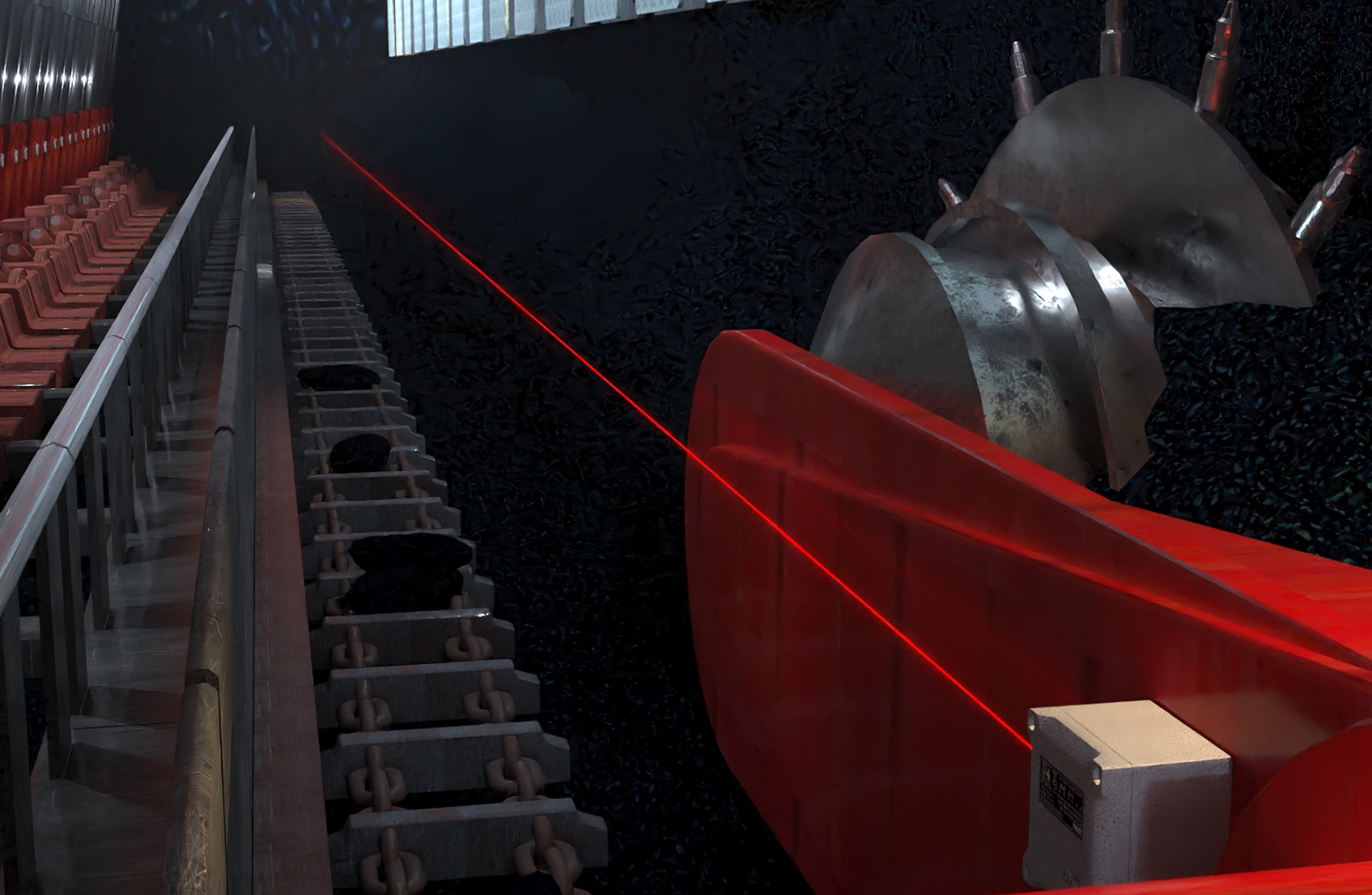
In conclusion, laser sensors represent a sophisticated solution for volume measurement in industry. Their ability to deliver precise, rapid, and non-contact measurements drives efficiency and accuracy in numerous applications. As technology advances, with improvements in sensor resolution and AI-driven data analysis, laser-based volume measurement systems are poised to become even more integral to industrial automation, supporting smarter and more responsive operations.