Proximity sensors are indispensable components in modern industrial automation, manufacturing, and robotics. These devices detect the presence or absence of objects without physical contact, relying on electromagnetic fields, infrared light, or ultrasonic waves. For engineers, procurement specialists, and maintenance teams, sourcing high-quality proximity sensors is critical to ensuring system reliability, efficiency, and safety. This guide outlines the primary channels for purchasing proximity sensors, key considerations for selection, and tips for optimizing your procurement process.
Major Purchasing Channels
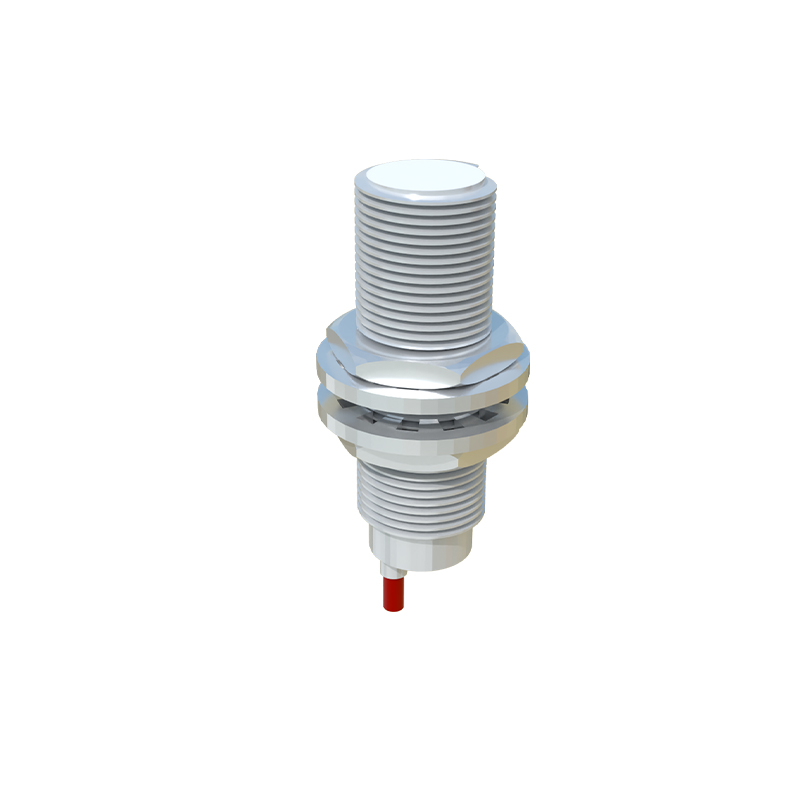
1. Direct Manufacturers: Leading industrial automation companies such as Siemens, Omron, Rockwell Automation, Schneider Electric, and Pepperl+Fuchs produce a wide range of proximity sensors. Purchasing directly from manufacturers ensures access to the latest technology, full product documentation, and direct technical support. Many manufacturers offer online catalogs, configurable products, and volume discounts for bulk orders.
2. Authorized Distributors: Established distributors like Digi-Key, Mouser Electronics, RS Components, and Allied Electronics stock sensors from multiple brands. They provide faster shipping, local inventory, and flexible order quantities. Authorized distributors often offer additional services such as product training, warranty handling, and logistics support.
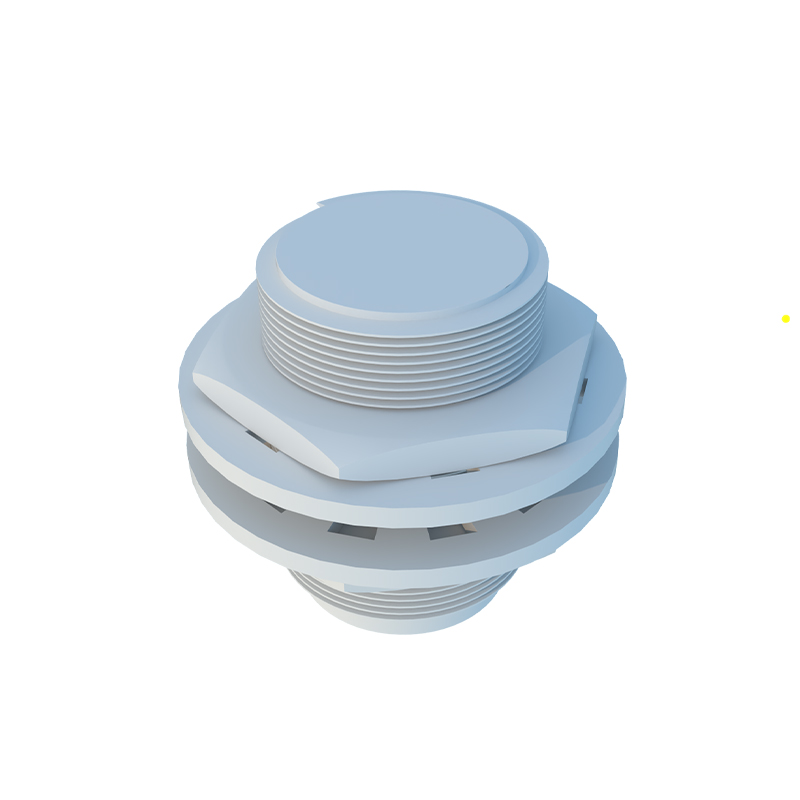
3. Specialized Industrial Suppliers: Companies like Grainger, McMaster-Carr, and Motion Industries focus on industrial MRO (Maintenance, Repair, and Operations) supplies. They carry a curated selection of proximity sensors suitable for common applications, along with complementary components like mounting brackets and cables.
4. Online Marketplaces: Platforms such as Amazon Business, eBay, and Alibaba list both new and used proximity sensors. While these marketplaces can offer competitive pricing and quick delivery, buyers must verify seller authenticity, product specifications, and warranty terms to avoid counterfeit or substandard items.
5. Local Electronics Stores: For urgent, low-volume needs, regional electronics retailers may stock basic inductive or capacitive proximity sensors. However, their inventory is often limited to generic models, which may not meet specialized industrial requirements.
Key Selection Criteria
When purchasing proximity sensors, consider the following factors to ensure compatibility and performance:
- Sensing Technology: Inductive sensors detect metallic objects; capacitive sensors detect both metallic and non-metallic materials; photoelectric sensors use light beams; ultrasonic sensors measure distance via sound waves. Choose based on the target material and environmental conditions.
- Output Type: Common outputs include NPN, PNP, analog (4-20 mA or 0-10 V), and IO-Link digital communication. Select an output that matches your control system (e.g., PLC, relay).
- Detection Range and Accuracy: Verify the sensor’s nominal sensing distance and repeatability. Factors like target size, temperature, and electrical noise can affect real-world performance.
- Environmental Ratings: Look for IP (Ingress Protection) ratings for dust and water resistance, as well as temperature tolerance, especially for harsh environments like washdown areas or outdoor installations.
- Mounting and Form Factor: Consider barrel-style, rectangular, or ring-shaped designs, along with mounting options (threaded, bracket, or embedded). Ensure mechanical compatibility with your machinery.
- Certifications: For regulated industries (e.g., food processing, pharmaceuticals), check for certifications like FDA, USDA, or ATEX for hazardous locations.
Procurement Best Practices
- Request Samples: Before large-scale purchases, order samples to test sensor performance in your actual application.
- Compare Total Cost: Beyond unit price, factor in shipping, import duties (for international orders), maintenance costs, and potential downtime due to sensor failure.
- Review Documentation: Access datasheets, installation guides, and CAD drawings to confirm technical details. Reliable suppliers provide comprehensive resources.
- Leverage Supplier Relationships: Establish accounts with preferred suppliers to gain access to dedicated support, volume pricing, and early product notifications.
- Stay Updated: Subscribe to industry newsletters or follow manufacturers on social media to learn about new product launches, discontinuations, or firmware updates.
Conclusion
Purchasing proximity sensors requires a balance of technical knowledge, supplier reliability, and cost considerations. Whether sourcing from global manufacturers, trusted distributors, or online platforms, always prioritize quality and suitability for your specific application. By following the guidelines above, industrial professionals can secure sensors that enhance operational efficiency, reduce maintenance overhead, and support long-term automation goals. For complex projects, consult with application engineers from manufacturers or distributors to tailor solutions to your needs.