In the demanding environments of modern industry, precise measurement is non-negotiable. From automotive assembly lines to food processing plants and offshore platforms, equipment must deliver reliable data regardless of ambient conditions. This is where the waterproof laser displacement sensor emerges as a critical technological solution. Unlike standard laser sensors, these specialized devices are engineered to withstand exposure to liquids, dust, steam, and temperature variations, ensuring continuous operation and measurement integrity where it matters most.
The core principle of a waterproof laser displacement sensor remains triangulation or time-of-flight measurement, using a laser diode to project a point onto a target surface. A high-resolution CMOS or PSD (Position Sensitive Device) detects the reflected light's position, and an internal processor calculates the precise distance. The defining feature is its robust housing and sealing. Typically rated with an Ingress Protection (IP) code of IP67, IP68, or IP69K, these sensors are sealed against dust ingress and can withstand immersion in water at specified depths and durations. IP67, for instance, guarantees protection against temporary immersion, while IP68 and IP69K defend against prolonged immersion and high-pressure, high-temperature jet cleaning, respectively. This makes them indispensable for washdown applications in pharmaceutical or beverage industries.
Material selection is paramount. Housings are often constructed from stainless steel (e.g., SUS316L) or engineered plastics like PPS or PVDF, which resist corrosion from chemicals, oils, and saline atmospheres. The laser window is a critical component, usually made from durable sapphire glass or specially coated optics that prevent water droplets from adhering and distorting the laser beam. Advanced models incorporate air purge connections or hydrophobic coatings to keep the optical path clear of condensation or contaminants in high-humidity environments.
The applications for waterproof laser displacement sensors are vast and varied. In automotive manufacturing, they perform critical gap and flush measurements on vehicle bodies even during cleaning stages. In steel and metal processing, they measure thickness and warpage on hot, wet surfaces after cooling baths. Within the packaging industry, they ensure precise fill levels in bottles on high-speed filling lines that undergo frequent sanitation cycles. For robotics, especially in abrasive or maritime settings, they provide essential feedback for navigation and object handling. Furthermore, in civil engineering and infrastructure monitoring, they are deployed to measure settlement or deformation in tunnels, dams, and bridges exposed to the elements.
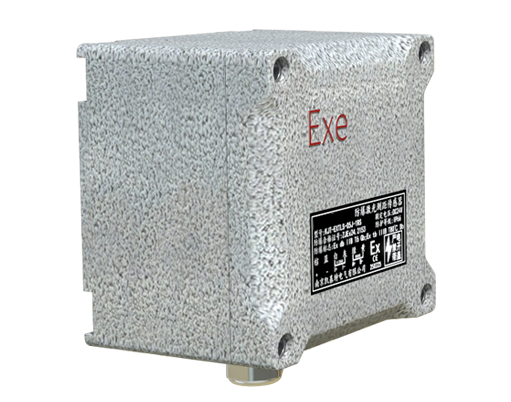
Selecting the appropriate sensor requires careful consideration of several parameters beyond the IP rating. The measuring range, spot size, resolution, and linearity must match the task. A sensor with a small, focused spot is ideal for measuring specific features on a wet surface, while a longer range might be necessary for larger targets. The response speed, or sampling rate, is crucial for high-speed production lines. Output interfaces (analog voltage/current, digital IO, Ethernet, etc.) must integrate seamlessly with existing PLCs or data acquisition systems. Environmental factors like ambient light immunity and operating temperature range are also critical; many waterproof sensors are designed to function reliably from below-freezing temperatures up to 70°C or more.
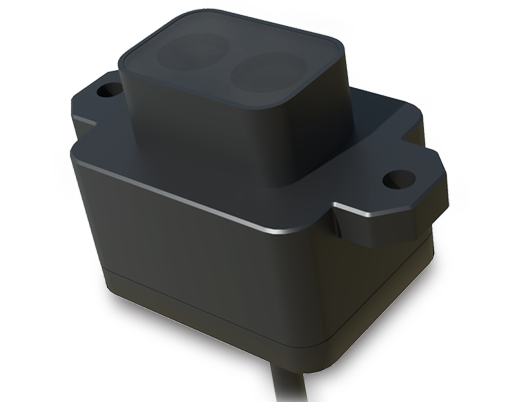
Installation and maintenance, while simplified by the robust design, still demand attention. Proper mounting is essential to avoid mechanical stress on the housing and seals. While the sensors are built for harsh conditions, regular inspection of the laser window for buildup and verification of seal integrity is recommended as part of a preventive maintenance schedule. This ensures long-term accuracy and prevents unexpected downtime.
The evolution of this technology continues. Modern waterproof laser displacement sensors are becoming more compact, more accurate, and increasingly intelligent. Features like integrated IO-Link communication facilitate parameter setting, diagnostics, and condition monitoring directly from the controller, paving the way for Industry 4.0 predictive maintenance strategies. As industries push towards greater automation in ever more challenging environments, the role of the waterproof laser displacement sensor will only grow in significance. It is not merely a sensor; it is a cornerstone of reliable, data-driven process control, enabling quality, efficiency, and safety where water, dirt, and extreme conditions are part of the daily workflow. By providing unwavering precision against the odds, these devices empower engineers to build, monitor, and automate with confidence.