When sourcing proximity sensors for industrial automation, machine safety, or process control applications, one of the most common and critical questions procurement specialists and engineers ask is: "What is the factory price?" The answer, as with most industrial components, is not a single figure but a spectrum influenced by a complex matrix of technical specifications, brand positioning, order volume, and market dynamics. Understanding these factors is key to making a cost-effective purchasing decision without compromising on performance or reliability.
At its core, the factory price of a proximity sensor is primarily dictated by its underlying sensing technology. The most common types include Inductive, Capacitive, Ultrasonic, and Photoelectric sensors, each with distinct cost structures.
Inductive Proximity Sensors: These are workhorses for detecting metallic objects. Prices start from as low as $15-$25 for basic, shielded cylindrical models (e.g., M12, M18) with standard sensing ranges (2-4mm for M12, 5-8mm for M18) and PNP/NPN output. Prices escalate to $50-$150+ for specialized models featuring extended sensing ranges (up to 40mm), all-metal housings (stainless steel), weld-field immunity, analog outputs (4-20mA, 0-10V), or advanced diagnostics (IO-Link connectivity). High-frequency models for fast-moving small parts or factor-1 (all-metal sensing) variants also command a premium.
Capacitive Proximity Sensors: Used for detecting non-metallic materials like liquids, plastics, or wood, these typically carry a 10-30% premium over comparable inductive models. A standard M30 capacitive sensor might range from $40 to $80, with prices increasing for models with sensitivity adjustment potentiometers, robust housings for harsh environments, or specialized designs for level detection.
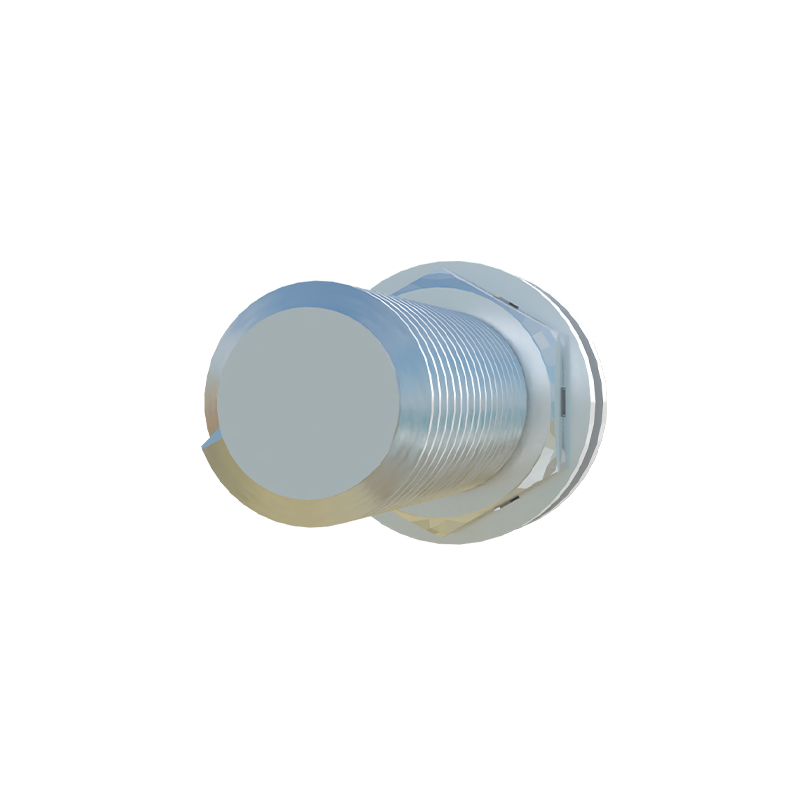
Photoelectric Sensors: This category has the widest price range due to its diversity (through-beam, retro-reflective, diffuse). Basic diffuse models can be found for $20-$40, while high-performance, background-suppression laser sensors or precise fiber optic units with amplifiers can easily cost $200 to $500 or more. Long-range through-beam sensors for outdoor or warehouse use also fall into a higher price bracket.
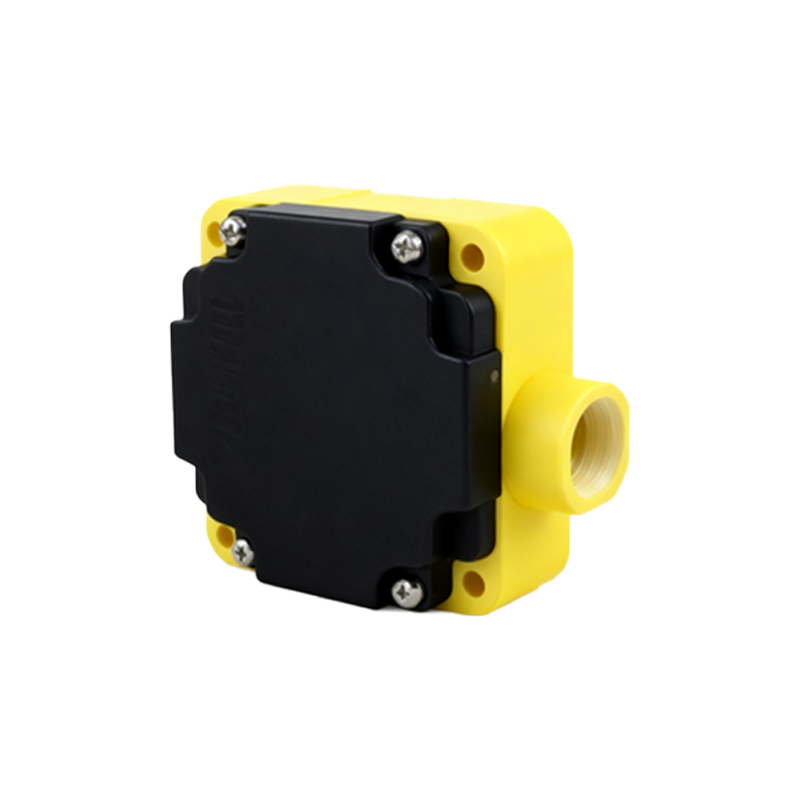
Ultrasonic Sensors: Known for precise distance measurement and being unaffected by color or material, these are among the more expensive options. Entry-level models start around $50-$80, but sophisticated versions with advanced programming, multiple switching points, and high noise immunity can range from $150 to over $400.
Beyond technology, several other critical factors directly impact the ex-factory price:
Brand & Quality Tier: Established global brands (e.g., Siemens, Omron, Schneider Electric, Pepperl+Fuchs, Balluff, IFM) price their sensors at a premium, reflecting decades of R&D, global supply chain reliability, extensive certification (UL, CE, ATEX), and after-sales support. Their prices set the benchmark for high-reliability applications. Mid-tier and value brands offer competitive alternatives, often at 20-40% lower cost, suitable for less critical operations. Generic or unbranded sensors can be even cheaper but carry higher risks regarding consistency and longevity.
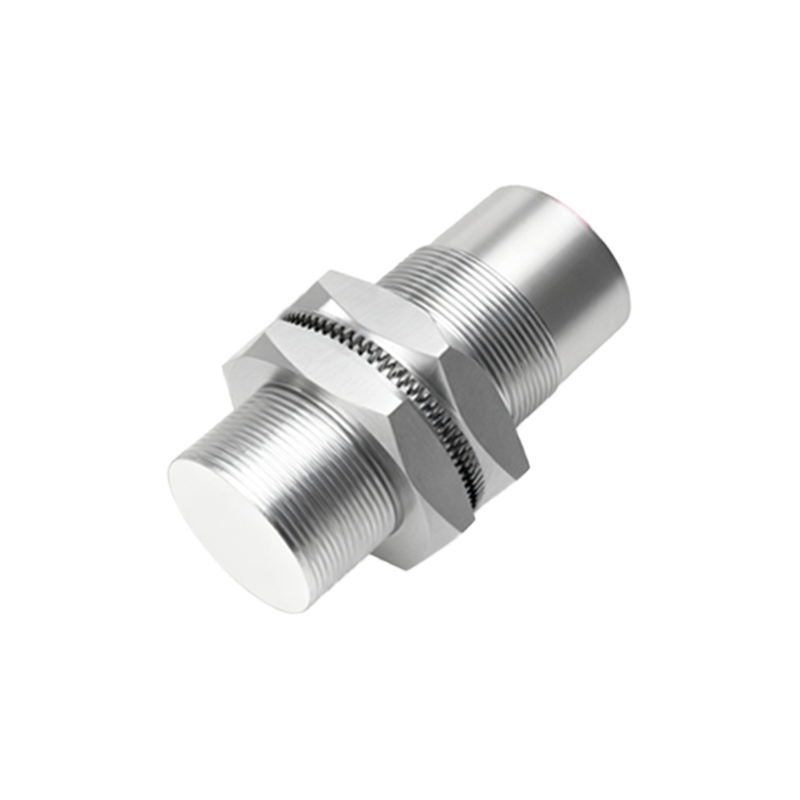
Specifications & Features: Key specs that increase cost include: extended operating temperature range (-40°C to 85°C), higher IP ratings (IP67, IP69K), higher switching frequency, longer nominal sensing range, special housing materials (V4A stainless steel, PBT plastic), and integrated connectivity (IO-Link, which adds smart sensor capabilities for a 15-30% premium). A sensor with an ATEX/IECEx certification for hazardous areas can be 2-3 times the price of a standard industrial model.
Order Quantity & Packaging: This is a fundamental rule of manufacturing. Unit prices for a single sensor or a small box (10 pcs) are significantly higher than for pallet quantities (500-1000 pcs). Factories offer substantial volume discounts. Additionally, sensors packaged on reels for automated assembly lines might have different pricing than bulk box packaging.
Supply Chain & Market Conditions: Global chip shortages, raw material price fluctuations (copper, nickel, plastics), and logistics costs are inevitably passed down. Geopolitical factors and regional demand spikes can also cause price volatility and affect lead times, which can indirectly influence negotiated prices.
Customization & Special Orders: Any deviation from a standard catalog item—custom cable lengths, special connectors, unique housing colors for OEMs, or modified sensing characteristics—triggers Non-Recurring Engineering (NRE) charges and results in a much higher per-unit cost.
Navigating the Purchase:
For accurate pricing, always prepare