Laser audio sensors represent a cutting-edge technology that converts sound vibrations into measurable signals using laser beams. Unlike traditional microphones, these sensors operate without physical contact, capturing audio data through the reflection or modulation of laser light off vibrating surfaces. The core principle involves directing a laser at a target—such as a window, wall, or machine component—where sound waves cause microscopic vibrations. These vibrations alter the laser's reflection, which is then detected and analyzed to reconstruct the original audio signal. This non-invasive method offers significant advantages, including high sensitivity, immunity to electromagnetic interference, and the ability to monitor audio in hazardous or inaccessible environments.
In industrial settings, laser audio sensors are increasingly deployed for predictive maintenance and quality control. For instance, in manufacturing plants, they can detect abnormal sounds from machinery—like bearing wear or motor imbalances—enabling early intervention before failures occur. This reduces downtime and maintenance costs. Similarly, in the energy sector, sensors monitor power transformers or turbines for acoustic anomalies that indicate potential faults. The technology also finds use in security and surveillance, where it can capture conversations or sounds through barriers without direct access, enhancing monitoring capabilities in sensitive areas.
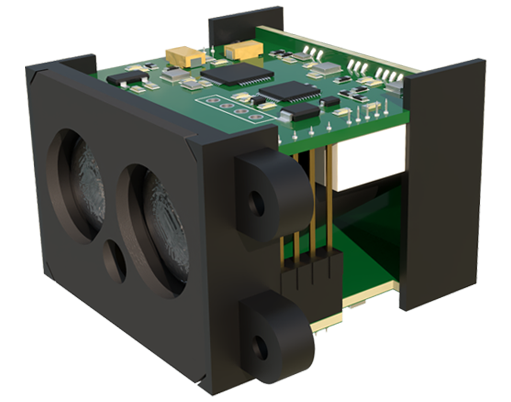
The design of laser audio sensors typically involves a laser diode, optical components (like lenses or mirrors), a photodetector, and signal-processing electronics. The laser diode emits a coherent light beam toward the target surface. As sound waves hit the surface, they induce vibrations that modulate the phase or intensity of the reflected light. The photodetector converts these optical changes into electrical signals, which are then amplified and filtered to extract the audio information. Advanced models incorporate digital signal processing (DSP) algorithms to enhance signal clarity and reduce noise from environmental factors like air turbulence or background vibrations.
Key considerations for implementing laser audio sensors include target surface properties, environmental conditions, and alignment precision. Smooth, reflective surfaces yield better signal quality, while rough or absorptive materials may require higher laser power or specialized setups. Environmental factors such as temperature fluctuations, humidity, or ambient light can affect performance, necessitating calibration or protective enclosures. Proper alignment between the laser and target is critical; even minor misalignment can lead to signal loss. Modern systems often include auto-alignment features or use multiple lasers for redundancy.

Looking ahead, innovations in laser audio sensor technology focus on miniaturization, integration with IoT networks, and AI-driven analytics. Smaller, low-power sensors are being developed for portable or embedded applications, such as wearable devices or smart infrastructure. When connected to IoT platforms, these sensors can stream real-time audio data to cloud-based systems for continuous monitoring and analysis. AI algorithms further enhance their utility by automatically classifying sounds—for example, distinguishing between normal operational noise and fault indicators in industrial equipment. This convergence of laser sensing, connectivity, and intelligence promises to expand applications across sectors like automotive, aerospace, and healthcare.
Despite their advantages, challenges remain, including cost, complexity, and regulatory concerns. High-performance laser audio sensors can be expensive due to precise optical components, limiting widespread adoption. Additionally, their non-contact nature raises privacy issues in surveillance contexts, requiring clear ethical guidelines. However, as technology advances and costs decline, laser audio sensors are poised to become integral to next-generation acoustic monitoring solutions, driving efficiency and innovation in the electrical and industrial engineering fields.