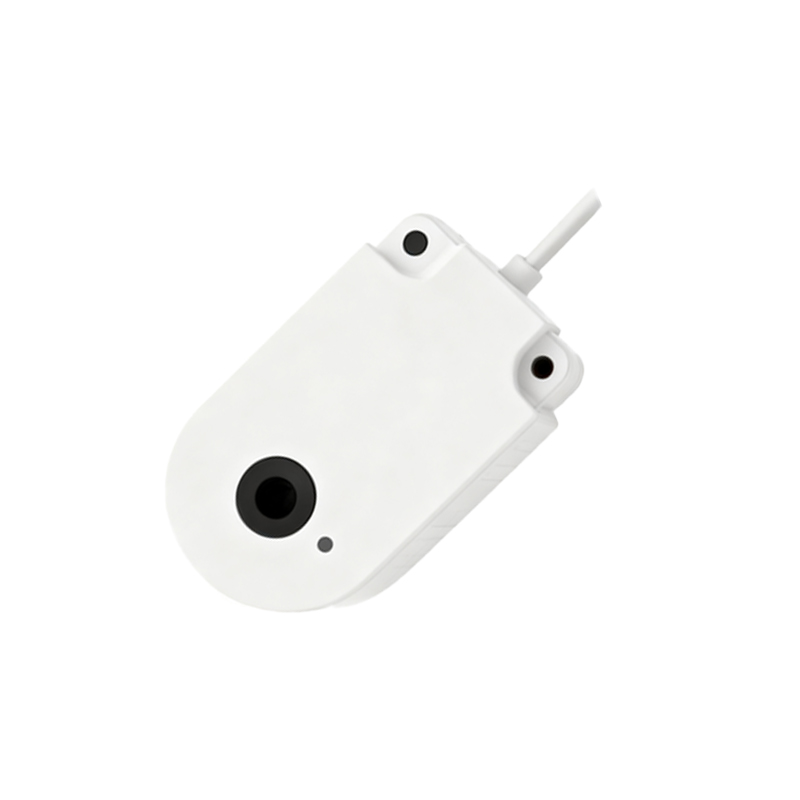
In the dynamic landscape of industrial automation, proximity sensors serve as critical components for detecting the presence or absence of objects without physical contact. These devices are essential in applications ranging from manufacturing assembly lines to automotive systems, ensuring precision, safety, and efficiency. As an experienced electrical engineer, I have witnessed firsthand the importance of selecting reliable standard proximity sensor suppliers. This article delves into the key considerations, industry standards, and leading suppliers in this field, providing a detailed guide for professionals seeking to optimize their operations.
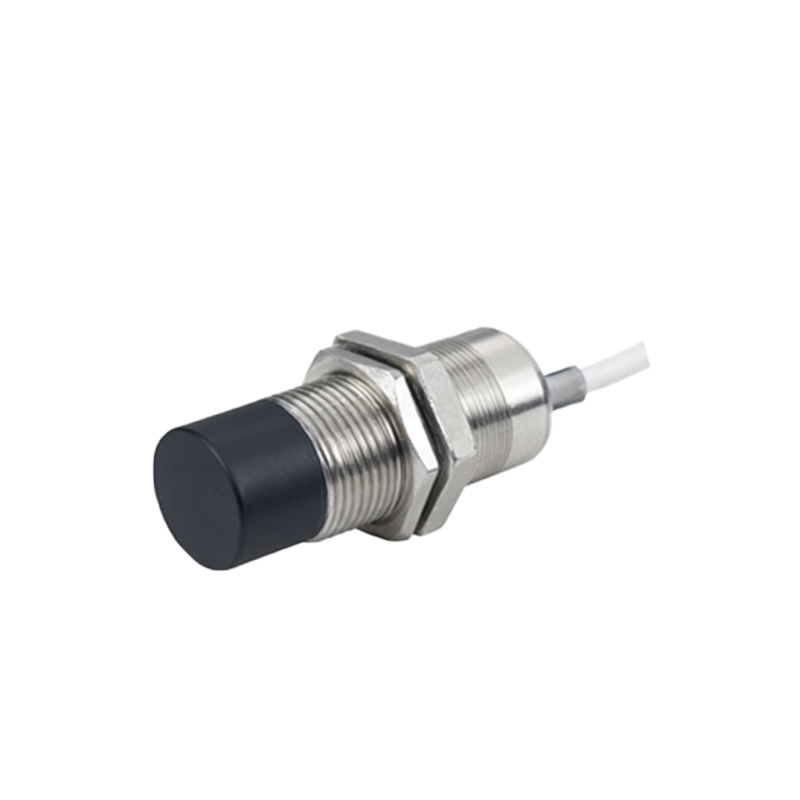
Standard proximity sensors are typically categorized based on their sensing technology, such as inductive, capacitive, ultrasonic, and photoelectric sensors. Each type has distinct advantages and is suited for specific environments. For instance, inductive sensors are ideal for detecting metallic objects in harsh industrial settings, while capacitive sensors can handle non-metallic materials like plastics or liquids. When sourcing these components, it is crucial to partner with suppliers that adhere to international standards, such as IEC 60947-5-2 for proximity switches or ISO 13849 for safety-related parts. Compliance with these standards ensures that sensors meet rigorous performance, durability, and safety criteria, reducing downtime and maintenance costs in the long run.
The selection of a supplier goes beyond just product specifications. Factors like technical support, customization options, and supply chain reliability play a pivotal role. Leading suppliers often offer comprehensive services, including on-site consultations, training programs, and after-sales support, which can be invaluable for complex installations. Additionally, with the rise of Industry 4.0, many suppliers are integrating smart features into their sensors, such as IoT connectivity and predictive maintenance capabilities. This evolution allows for real-time monitoring and data analytics, enhancing overall system intelligence and productivity.
In terms of market leaders, companies like Siemens, Omron, Rockwell Automation, and Schneider Electric have established strong reputations as standard proximity sensor suppliers. Siemens, for example, provides a wide range of inductive and ultrasonic sensors known for their robustness and precision in automotive and packaging industries. Omron excels in offering compact, high-performance sensors with advanced diagnostics, suitable for electronics and semiconductor manufacturing. Rockwell Automation focuses on seamless integration with control systems, while Schneider Electric emphasizes energy-efficient solutions for sustainable operations. However, niche suppliers like Pepperl+Fuchs or Balluff also deserve attention for their specialized offerings in hazardous environments or high-speed applications.
When evaluating suppliers, engineers should conduct thorough assessments based on their specific project requirements. This includes reviewing product certifications, testing samples in real-world conditions, and comparing lead times and pricing structures. It is also advisable to consider the supplier’s innovation pipeline and commitment to research and development, as this indicates their ability to adapt to future technological trends. For instance, the growing demand for miniaturized sensors or those with enhanced environmental resistance (e.g., IP67-rated for dust and water protection) may influence long-term partnerships.
In conclusion, choosing the right standard proximity sensor supplier is a strategic decision that impacts operational efficiency and safety. By prioritizing quality, compliance, and support, industry professionals can ensure reliable performance in their automation systems. As technology continues to advance, staying informed about supplier capabilities and market developments will be key to maintaining a competitive edge. Whether you are designing a new production line or upgrading existing equipment, a well-informed approach to supplier selection can lead to significant cost savings and improved productivity.