As an experienced electrical engineer, encountering a proximity sensor that fails to respond is a common yet critical issue in industrial automation and machinery. A non-responsive sensor can halt production lines, cause safety hazards, and lead to significant downtime. This guide provides a systematic, professional approach to diagnosing and resolving such failures, adhering to industry best practices.
The first step in troubleshooting is to ensure personal and equipment safety. Lock out and tag out (LOTO) the machine or system to prevent accidental energization. Once safety is confirmed, begin with a visual inspection. Examine the sensor's housing for any signs of physical damage, such as cracks, dents, or impact marks. Check the mounting to ensure it is secure and properly aligned with the target. Misalignment is a frequent culprit; the sensing face must be correctly oriented towards the target object within its specified sensing range. Inspect the surrounding area for excessive buildup of dust, metal shavings, oil, or coolant, as contamination can obstruct the sensor's field.
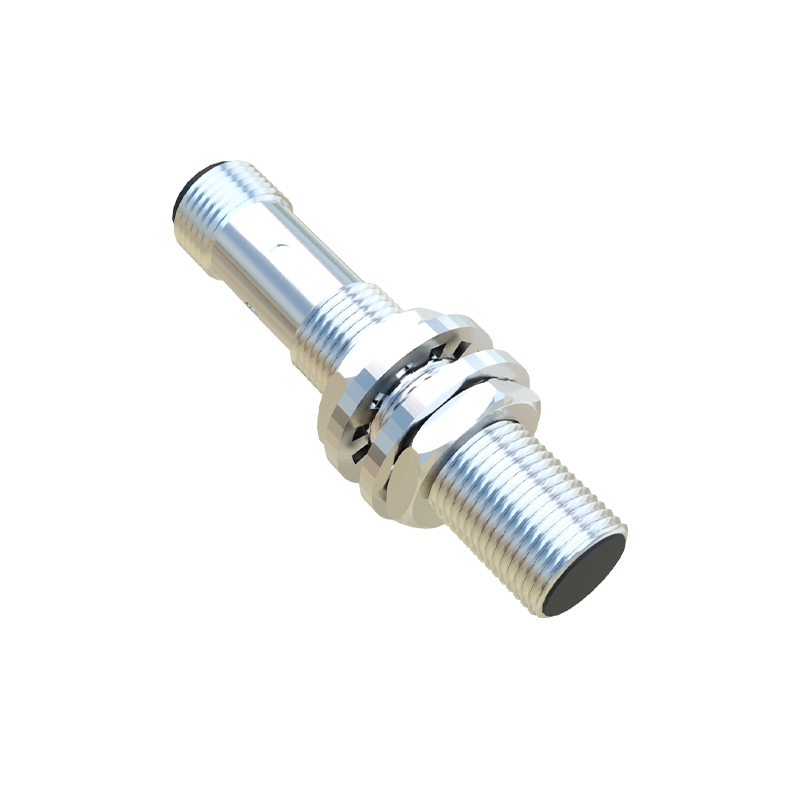
Next, verify the electrical connections. A loose or corroded wire is often the root cause. Power down the system and inspect the sensor's cabling and connectors. Look for pinched wires, loose terminal screws, or damaged insulation. Ensure the connector is fully seated and locked. Using a multimeter, check for continuity in the wiring from the sensor back to the controller. Also, confirm that the sensor is receiving the correct supply voltage as per its datasheet (e.g., 10-30 VDC). An under-voltage or over-voltage condition can prevent operation.
After confirming power and wiring, assess the sensor's output. Modern inductive or capacitive proximity sensors typically have an LED indicator that shows power status and output activation. If the LED is off completely, the issue is likely power-related. If the LED is solidly on but the PLC or controller receives no signal, the output circuit may be faulty. For a sinking (NPN) or sourcing (PNP) sensor, use your multimeter to measure the voltage between the output wire and the common terminal while presenting a valid target to the sensor. You should observe a clear switch in state. No change indicates a failed sensor output stage.
Environmental factors are a major consideration. Proximity sensors have specific operating temperature ranges. Extreme heat or cold can cause failure. Check if the ambient temperature exceeds the sensor's rating. Similarly, ensure the sensor type is suitable for its environment. For instance, a standard inductive sensor may not function correctly if installed too close to a welding area with strong electromagnetic interference, or if used to detect a non-ferrous metal outside its sensing specifications. Capacitive sensors can be falsely triggered by humidity changes or different dielectric materials.
The target itself must be evaluated. It must be within the sensor's stated nominal sensing distance (Sn). The target material, size, and approach speed matter. A target smaller than the sensor's face or made of an unsuitable material may not be detected. For inductive sensors, the target should be a ferrous metal of sufficient thickness. Test with a standard target, like a piece of mild steel, to isolate the issue.
If all external factors—power, wiring, environment, alignment, and target—are confirmed correct, the sensor itself is likely defective. Internal components, such as the oscillator coil in an inductive sensor or the internal IC, can fail due to voltage spikes, aging, or manufacturing defects. Before replacement, consult the manufacturer's manual for any diagnostic modes or reset procedures, though these are rare for basic sensors.
Finally, document your findings and the resolution. Replacing a faulty sensor with an identical model is usually straightforward. When installing the new unit, follow the manufacturer's torque specifications for mounting and ensure proper electrical connections. After power-up, perform a functional test by cycling the target multiple times to verify consistent operation.
Preventive maintenance is key. Regularly clean sensor faces, check mounting integrity, and audit electrical connections during scheduled downtime. Implementing surge protection on sensor lines in electrically noisy environments can also extend lifespan. A methodical approach, moving from the simplest external checks to internal diagnosis, will efficiently restore operation and minimize costly interruptions.