In the realm of industrial automation and control systems, proximity sensors play a pivotal role in detecting the presence or absence of objects without physical contact. Their selection is critical to ensuring operational efficiency, reliability, and safety. This article outlines key principles for choosing the right proximity sensor based on technical specifications, environmental factors, and application requirements.
First, understand the sensing technology. Proximity sensors primarily utilize inductive, capacitive, ultrasonic, or photoelectric methods. Inductive sensors are ideal for detecting metallic objects, offering high precision and resistance to harsh conditions like dust or moisture. Capacitive sensors can detect both metallic and non-metallic materials, including liquids and powders, making them suitable for level sensing or material handling. Ultrasonic sensors use sound waves to measure distance and detect various materials, excelling in applications requiring non-contact measurement over longer ranges. Photoelectric sensors rely on light beams and are versatile for detecting objects of different colors, shapes, or transparency levels. Selecting the appropriate technology depends on the target material and detection range.
Second, consider the operating environment. Industrial settings often involve extreme temperatures, humidity, vibration, or exposure to chemicals. For instance, in high-temperature environments such as foundries or welding areas, sensors with robust housings and temperature ratings (e.g., up to 100°C or higher) are essential. In wet or corrosive conditions, sensors with IP67 or IP68 ratings provide protection against water and dust ingress. Additionally, electromagnetic interference (EMI) from machinery can affect sensor performance, so opting for shielded or noise-resistant models is advisable.
Third, evaluate technical specifications. Key parameters include sensing distance, response time, output type, and power supply. The sensing distance should match the application's requirements without excessive margin, as over-specifying can lead to false triggers. Response time is crucial for high-speed processes like conveyor belts or robotic arms, where milliseconds matter. Output types—such as NPN, PNP, analog, or IO-Link—must be compatible with the control system. For example, NPN outputs are common in sinking circuits, while PNP suits sourcing circuits. Power supply voltage (e.g., 10-30V DC) should align with the plant's electrical infrastructure to avoid compatibility issues.
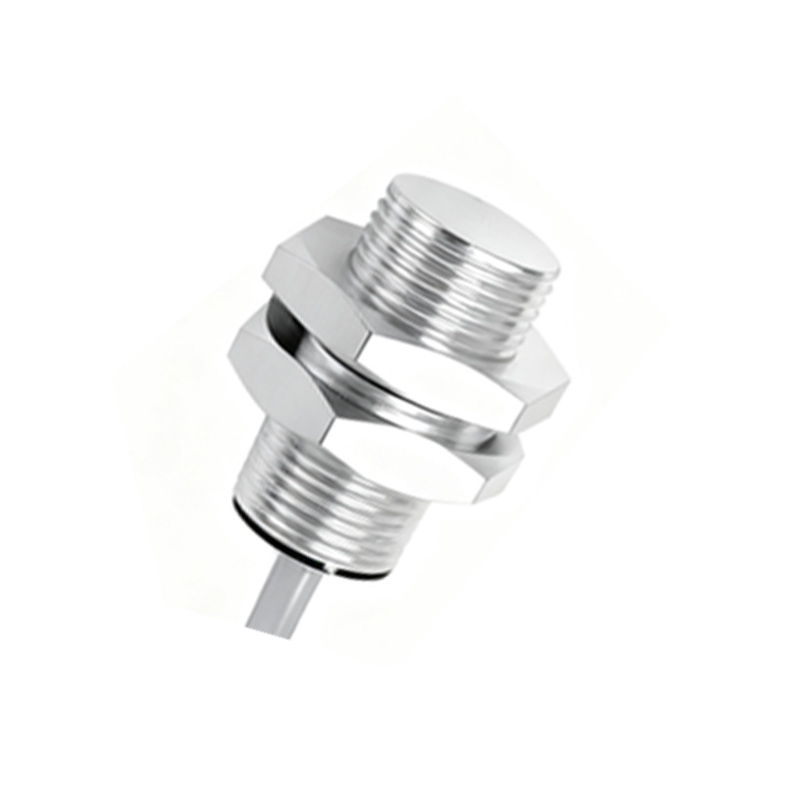
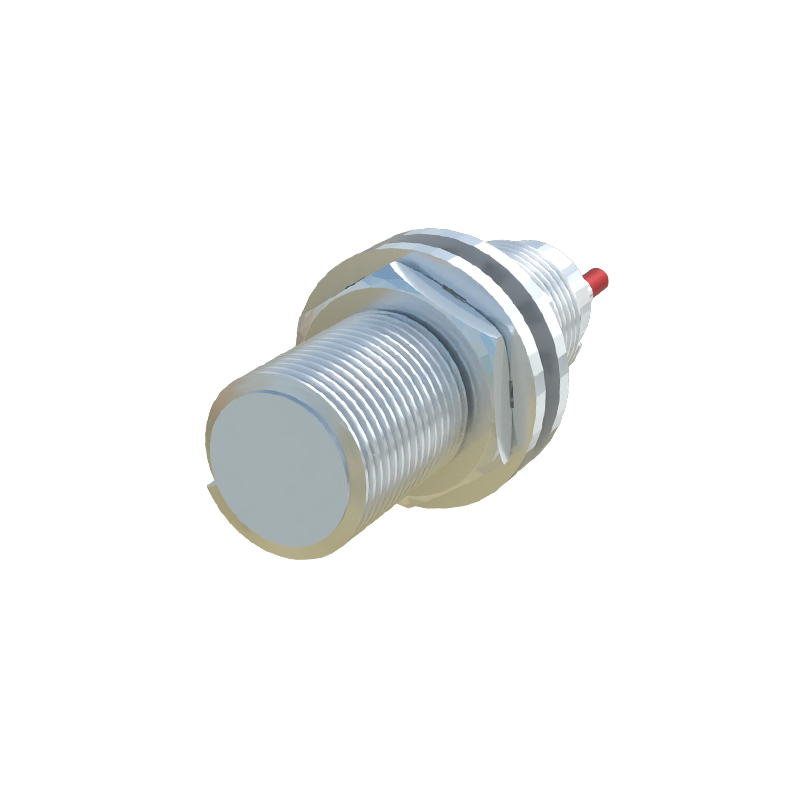
Fourth, assess installation and mounting constraints. Space limitations, mounting orientation, and accessibility can influence sensor choice. Cylindrical sensors are easy to install in tight spaces, while rectangular or block-style sensors offer flexibility for complex setups. Consider factors like flush or non-flush mounting for inductive sensors, as flush-mounted types can be embedded in metal without interference. Additionally, connectors or cable types should be selected for durability and ease of maintenance.
Fifth, factor in cost and lifecycle. While initial cost is important, total cost of ownership includes maintenance, replacement frequency, and energy consumption. High-quality sensors from reputable brands may have a higher upfront cost but offer longer lifespans and better warranties, reducing downtime. For batch processes or low-volume applications, standard sensors might suffice, whereas continuous operations in critical systems may justify investing in premium models with advanced features like self-diagnostics or programmable settings.
In summary, selecting a proximity sensor involves a holistic approach. Start by defining the application's core needs—target material, detection range, and environmental challenges. Then, compare sensor technologies and specifications to find the best match. Consult manufacturer datasheets and industry standards (e.g., IEC 60947-5-2) for guidance. Regular testing and validation in real-world conditions can further optimize performance. By adhering to these principles, engineers can enhance system reliability, minimize errors, and boost productivity in diverse industrial sectors, from automotive manufacturing to food processing.