In the realm of automation and smart technology, proximity sensors have become fundamental components. But what exactly is the meaning of a proximity sensor? Simply put, a proximity sensor is a device that detects the presence or absence of an object within a certain range without any physical contact. It operates by emitting an electromagnetic field or a beam of radiation, such as infrared light, and then looks for changes in the field or return signal. The sensor is triggered when an object enters its detection field, allowing it to sense that something is nearby.
The core principle behind these sensors is non-contact detection. This key characteristic offers significant advantages over mechanical switches or contact-based sensors. By eliminating the need for physical touch, proximity sensors reduce wear and tear, increase operational reliability, and enable detection of fragile, delicate, or fast-moving objects that could be damaged by contact. They are known for their long operational life and high repeatability.
There are several main types of proximity sensors, each utilizing different technologies for various applications. Inductive proximity sensors are among the most common. They generate an oscillating electromagnetic field and detect the eddy current losses caused when a metallic object enters this field. These sensors are ideal for detecting metals and are widely used in industrial automation for tasks like counting, positioning, and speed monitoring on production lines.
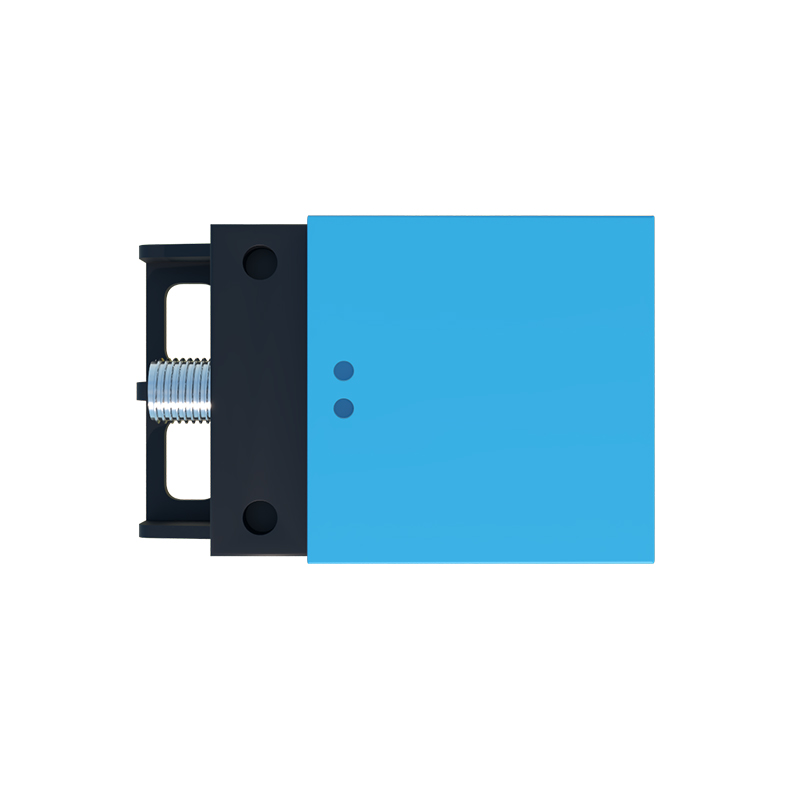
Capacitive proximity sensors, on the other hand, can detect both metallic and non-metallic objects, including liquids, powders, and plastics. They work by measuring changes in capacitance. When an object approaches the sensor's active surface, it alters the capacitance of the sensor's circuit, triggering a detection. This makes them perfect for applications like liquid level detection, material handling, and presence sensing of non-metallic containers.
Photoelectric sensors use light beams to detect objects. An emitter sends out a light signal (often infrared, visible red, or laser), and a receiver detects it. An object is sensed when it interrupts or reflects this beam. These sensors offer long detection ranges and are excellent for detecting small objects or for use in dirty environments where other sensors might fail. Ultrasonic sensors emit high-frequency sound waves and evaluate the echo received back, calculating the time interval between sending the signal and receiving the echo to determine the distance to an object. They are effective for distance measurement and level control, even with transparent or sound-absorbing materials.
The applications of proximity sensors are vast and span numerous industries. In the automotive sector, they are crucial for parking assistance systems, detecting obstacles around a vehicle. In consumer electronics, they are the invisible force that turns off a smartphone's display during a call to prevent accidental screen touches. Manufacturing and packaging lines rely heavily on them for object counting, jam detection, and robotic guidance. In the realm of security, they form the basis of many intrusion detection systems. Even in everyday appliances like automatic faucets and hand dryers, a simple proximity sensor provides the touch-free convenience users have come to expect.
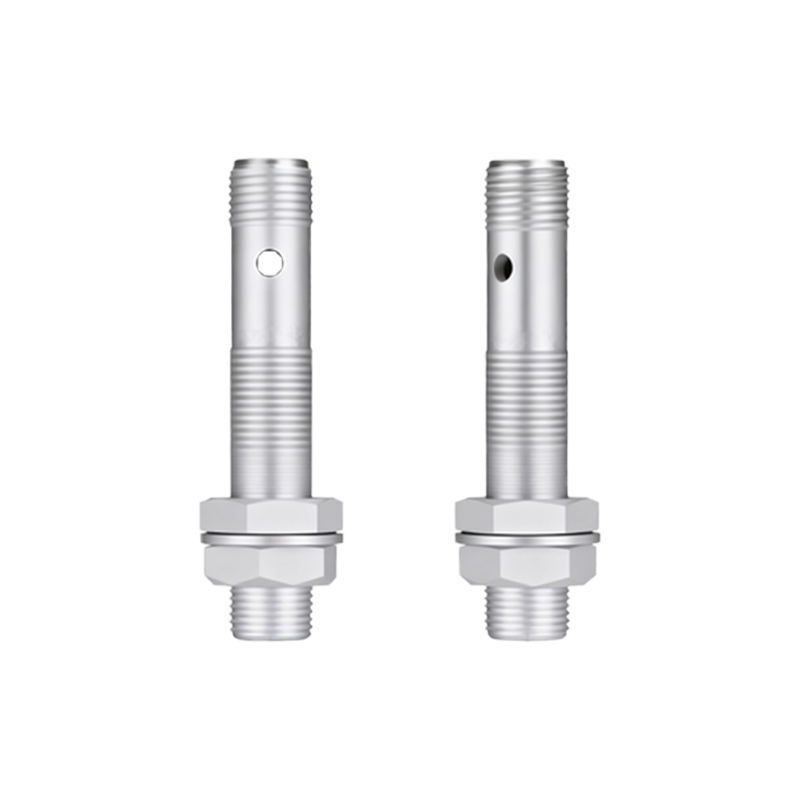
When selecting a proximity sensor for a specific task, several factors must be considered. The sensing range, or the maximum distance at which the sensor can reliably detect a standard target, is paramount. The nature of the target material—whether it is metal, plastic, liquid, or transparent—dictates the choice of sensor technology. Environmental conditions such as temperature, humidity, and the presence of dust or chemicals also play a critical role in determining the appropriate sensor housing and technology. Finally, the required output type, such as a digital switch signal (PNP/NPN) or an analog signal proportional to distance, must match the control system's input.
In conclusion, the meaning of a proximity sensor extends far beyond its basic definition. It represents a critical enabling technology for automation, safety, and efficiency. By providing reliable, non-contact detection, these sensors form the sensory foundation upon which modern intelligent systems are built, from the simplest appliance to the most complex industrial robot. Their continued evolution promises even greater integration into the fabric of smart technology, making processes safer, more efficient, and increasingly autonomous.
