In the realm of industrial automation and electronic control systems, proximity sensors stand as fundamental components, enabling non-contact detection of objects. But what exactly is this device called? The generic and widely accepted term is the Proximity Sensor. This article delves into the various types, operational principles, key applications, and critical factors for selecting the right proximity sensor for your specific needs.
At its core, a proximity sensor is a device that detects the presence or absence of an object within a specified range without any physical contact. It emits an electromagnetic field or a beam of radiation and looks for changes in the field or return signal. The primary advantage is the elimination of mechanical wear and tear, allowing for high reliability, long operational life, and fast response times in harsh industrial environments.
There are several principal types of proximity sensors, each based on different sensing technologies:
1. Inductive Proximity Sensors: These are among the most common types used in industrial settings. They detect metallic objects, primarily ferrous metals like iron and steel, but some models can also sense non-ferrous metals. The sensor generates an oscillating electromagnetic field from its coil. When a metal object enters this field, it induces eddy currents, causing a change in the oscillation amplitude. This change is detected by the sensor's circuitry, triggering an output signal. They are robust, resistant to dirt and moisture, and ideal for machine automation, position sensing, and metal detection.
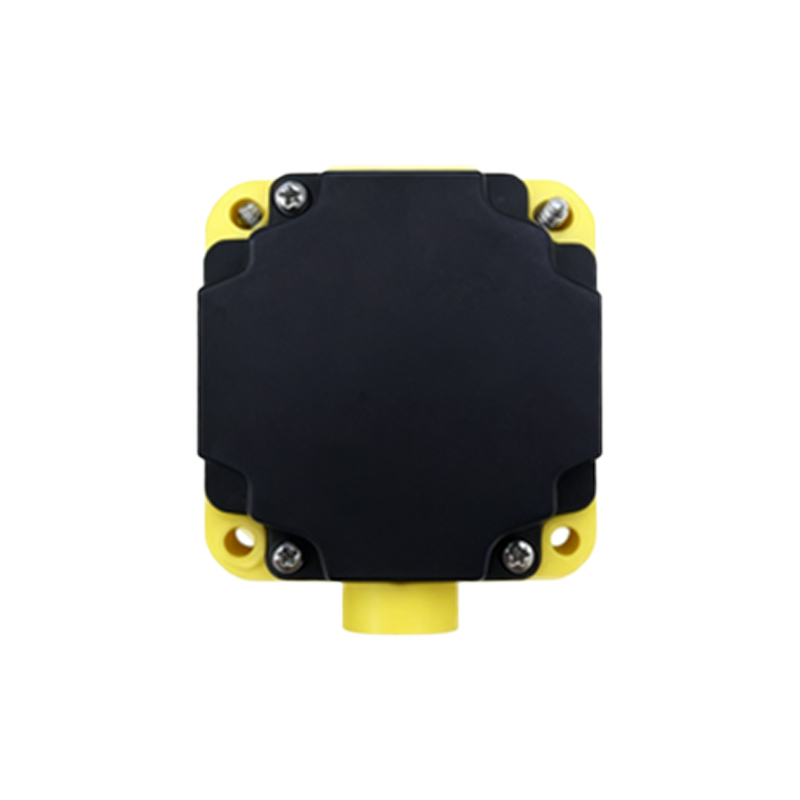
2. Capacitive Proximity Sensors: These sensors can detect both metallic and non-metallic objects, including liquids, powders, plastics, and wood. They function by generating an electrostatic field. Any object that enters this field alters the capacitance of the sensor's circuit. This change is measured, and when it exceeds a preset threshold, the sensor activates. Common applications include level detection in tanks (for liquids or granules), material handling, and presence detection of non-metallic products.
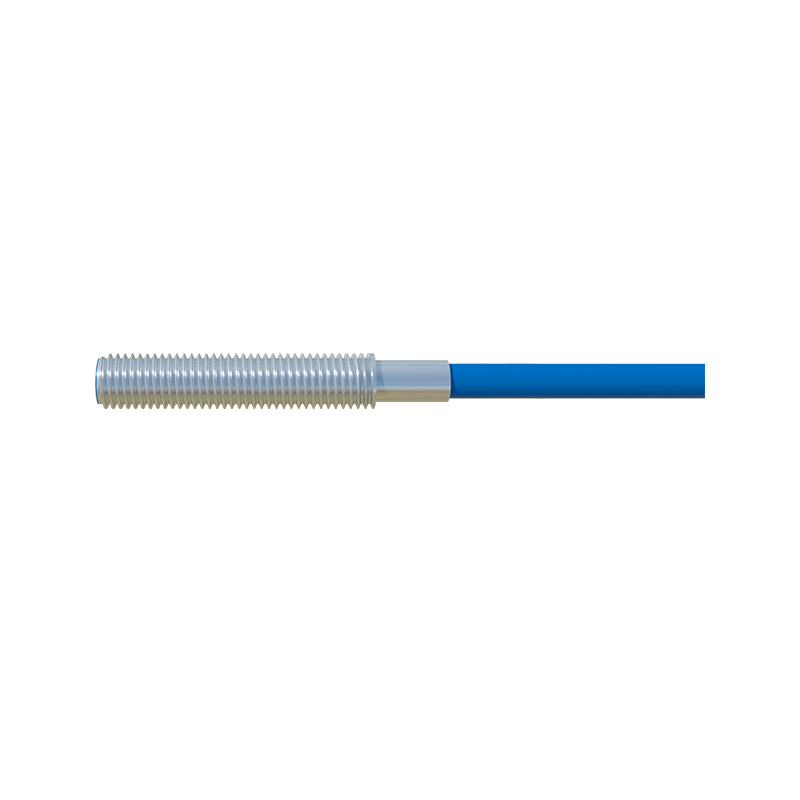
3. Ultrasonic Proximity Sensors: These sensors use sound waves beyond the human hearing range. They emit high-frequency ultrasonic pulses and measure the time it takes for the echo to return after bouncing off a target object. This "time-of-flight" principle allows them to detect objects regardless of material, color, or transparency. They are excellent for distance measurement, level sensing in challenging conditions (e.g., dusty or foggy environments), and detecting clear objects like glass.
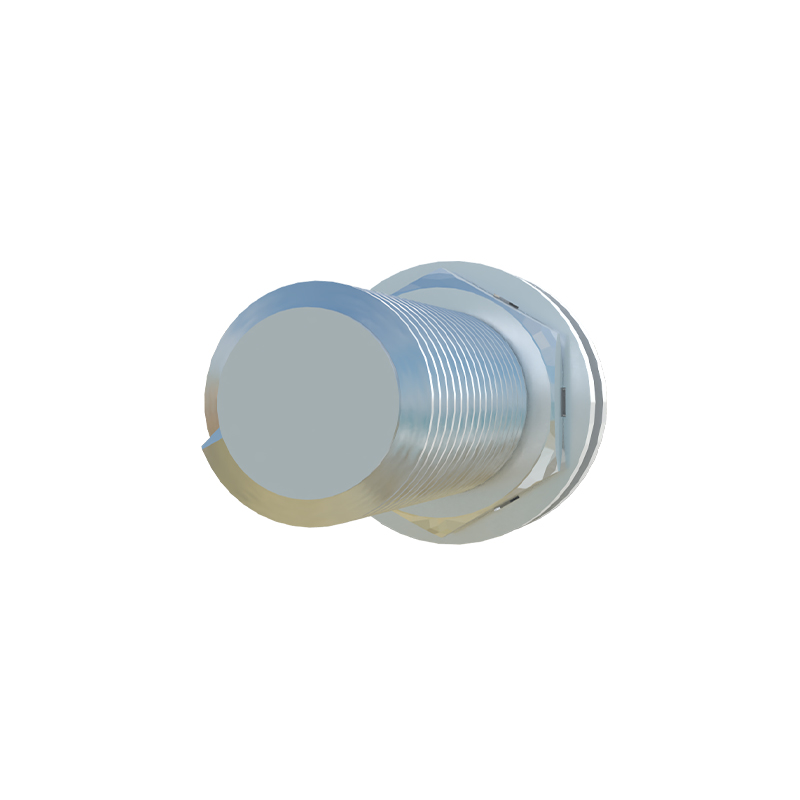
4. Photoelectric Sensors: While often categorized separately, they function as proximity devices. They consist of a light emitter (usually LED) and a receiver. They detect objects by interpreting changes in the emitted light beam. There are three main modes: through-beam (object breaks a beam between separate emitter and receiver), retro-reflective (object breaks a beam reflected from a reflector), and diffuse (sensor detects light reflected directly from the object). They are versatile and can detect a vast array of materials over longer distances.
5. Magnetic Proximity Sensors (Reed Switches): These are simple, cost-effective sensors activated by the presence of a magnetic field, typically from a permanent magnet. They are often used for door/window position sensing, cylinder position detection in pneumatic systems, and low-speed rotational sensing.
The selection of the appropriate proximity sensor is crucial for system performance. Key parameters to consider include:
Sensing Distance: The nominal range at which the sensor can reliably detect a standard target.
Target Material: Inductive for metals, capacitive for a broader range, ultrasonic for most materials.
Output Type: Digital (PNP/NPN) or analog (4-20mA, 0-10V), defining how the detection signal is communicated to the controller (e.g., PLC).
Environmental Factors: IP (Ingress Protection) rating for dust and water resistance, temperature range, and resistance to chemicals or vibrations.
Mounting and Size: Physical constraints of the installation location.
In conclusion, the device is unequivocally known as a Proximity Sensor. Its various forms—inductive, capacitive, ultrasonic, photoelectric, and magnetic—provide engineers with a powerful toolkit for automation. From ensuring precise positioning on a high-speed assembly line to monitoring fluid levels in a chemical plant, proximity sensors are the silent, reliable sentinels of modern industry, enabling smarter, safer, and more efficient operations. Understanding their distinct characteristics is the first step toward optimal integration into any control system.