Proximity sensors are pivotal components in modern industrial automation, offering non-contact detection of objects within a defined range. These devices utilize various technologies, including inductive, capacitive, ultrasonic, and photoelectric principles, to detect the presence, absence, or position of objects without physical contact. Their versatility and reliability make them indispensable across numerous sectors, enhancing efficiency, safety, and precision in operations.
In manufacturing and assembly lines, proximity sensors are extensively used for object detection, counting, and positioning. Inductive sensors, for instance, excel in detecting metallic objects, making them ideal for monitoring machinery parts, conveyor systems, and robotic arms. They ensure smooth workflow by triggering actions when components are in place, reducing downtime and preventing jams. Capacitive sensors, on the other hand, can detect non-metallic materials like plastics, wood, or liquids, enabling applications in packaging, food processing, and pharmaceutical industries where diverse materials are handled.
The automotive industry relies heavily on proximity sensors for quality control and safety. In vehicle assembly, sensors monitor the placement of parts, such as engines and doors, ensuring precise alignment. Advanced driver-assistance systems (ADAS) incorporate ultrasonic and radar-based proximity sensors for parking assistance, collision avoidance, and blind-spot detection, significantly improving road safety. These sensors provide real-time data to control units, enabling automated responses to potential hazards.
In material handling and logistics, proximity sensors optimize warehouse operations by tracking inventory on shelves and guiding automated guided vehicles (AGVs). Photoelectric sensors, using infrared or laser beams, detect objects over longer distances, facilitating sorting and retrieval processes in distribution centers. Their ability to function in harsh environments, such as dusty or humid conditions, ensures consistent performance in demanding settings.
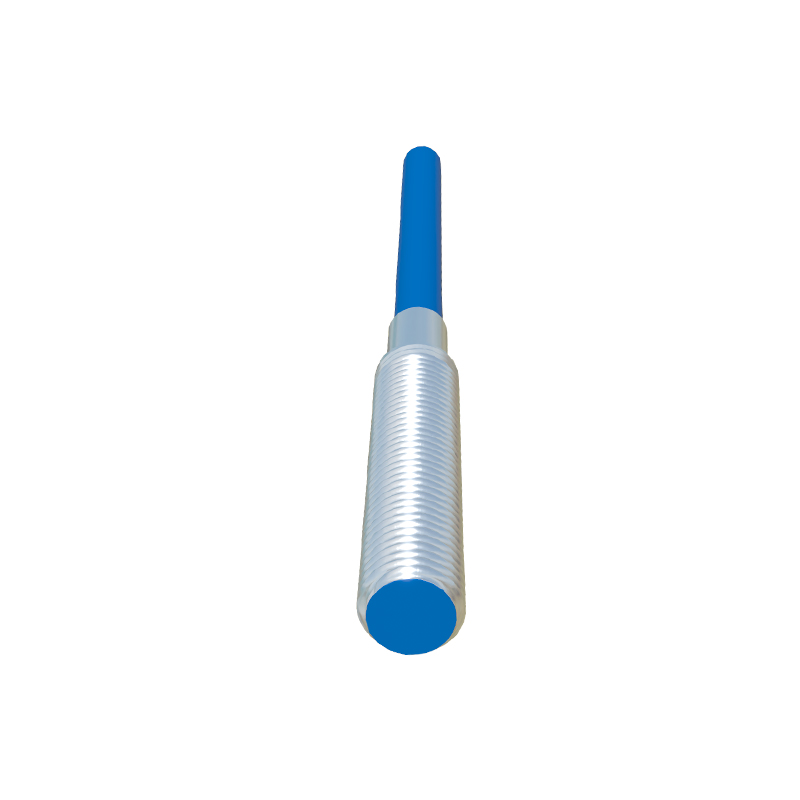
The aerospace and defense sectors employ proximity sensors for critical applications like landing gear monitoring, fuel level sensing, and obstacle detection in aircraft. High-precision sensors contribute to navigation systems and unmanned aerial vehicles (UAVs), where accuracy is paramount. In renewable energy, sensors monitor turbine blades in wind farms, detecting imbalances or damage to prevent failures and maintain efficiency.
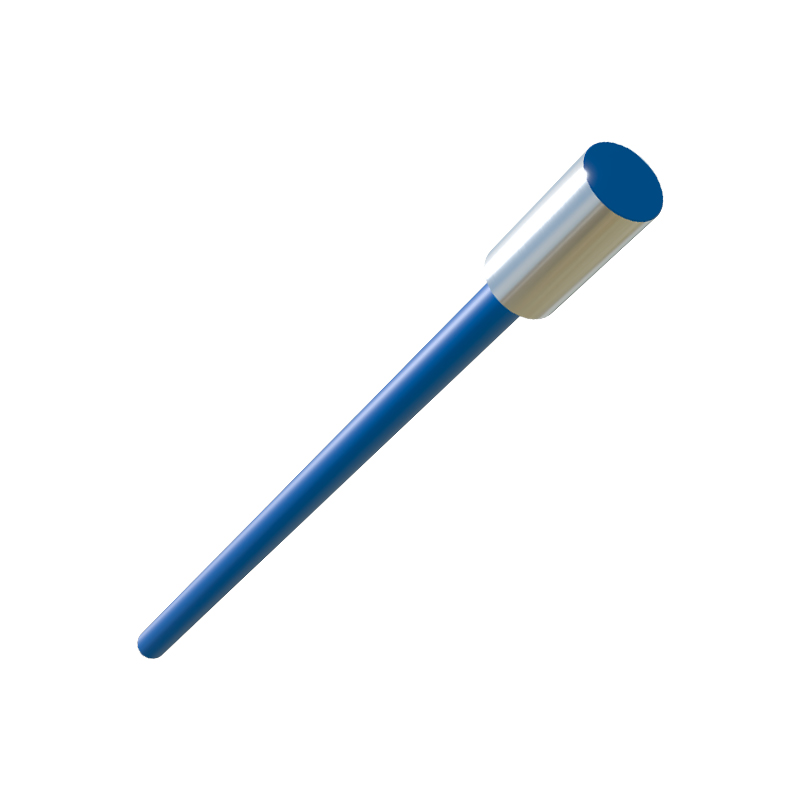
Healthcare and biotechnology also benefit from proximity sensors in medical devices and laboratory equipment. They enable touchless operation of sanitizers, precise fluid level detection in analyzers, and patient monitoring systems, minimizing contamination risks and enhancing hygiene. In consumer electronics, smartphones and tablets use capacitive proximity sensors to disable touchscreens during calls, conserving power and preventing accidental inputs.
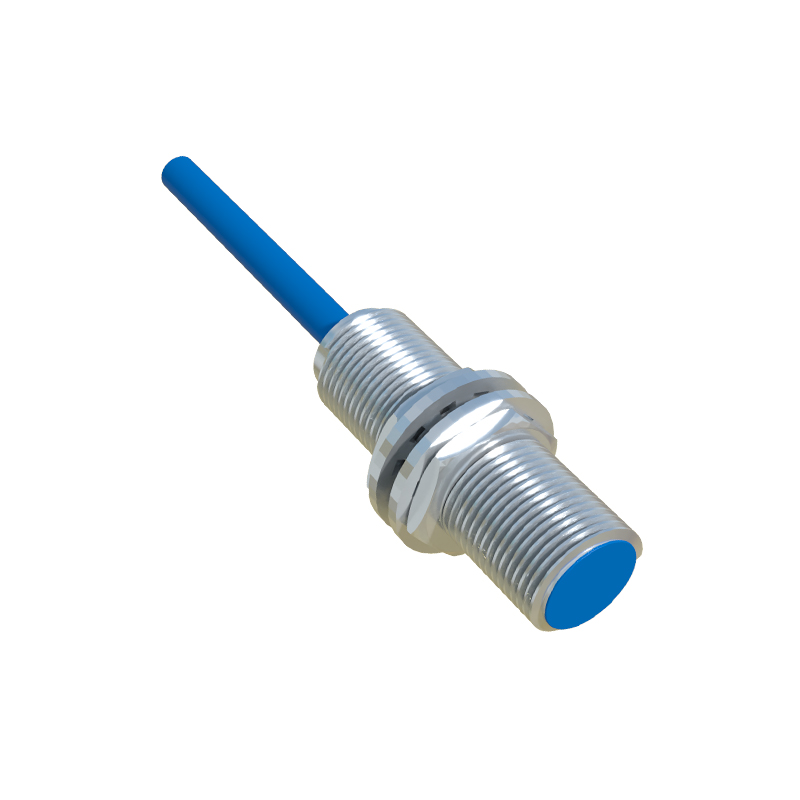
Agricultural automation integrates proximity sensors for soil moisture monitoring, crop detection, and equipment guidance in precision farming. By providing data on environmental conditions, these sensors support sustainable practices and resource management. In building automation, sensors control lighting, HVAC systems, and security access, contributing to energy savings and occupant comfort through motion detection and occupancy sensing.
Despite their broad applicability, selecting the right proximity sensor depends on factors like target material, detection range, environmental conditions, and cost. Regular maintenance and calibration are essential to ensure longevity and accuracy. As Industry 4.0 advances, proximity sensors are evolving with IoT connectivity, enabling predictive maintenance and data analytics for smarter industrial ecosystems. Their role in enabling automation and innovation continues to expand, driving progress across global industries.