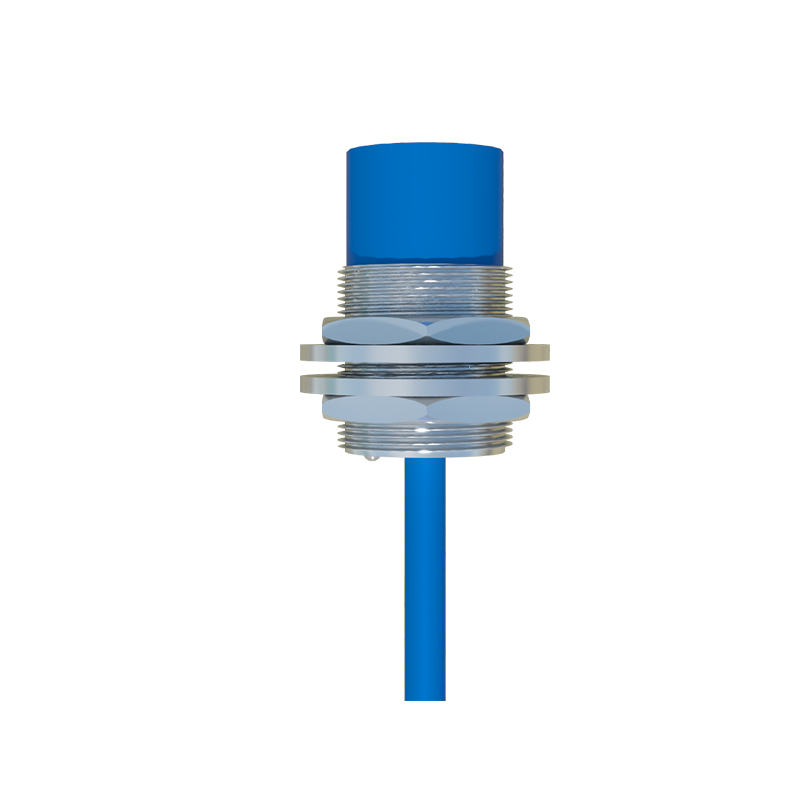
In the rapidly evolving landscape of industrial automation, proximity sensors stand as critical components for enabling precise, non-contact detection of objects. These devices are integral to countless applications, from assembly lines and robotic systems to safety mechanisms and material handling. The performance, reliability, and innovation in this field are largely driven by a select group of original equipment manufacturers (OEMs) that specialize in sensor technology. This article delves into the key players and technological advancements shaping the proximity sensor market.
Among the foremost manufacturers, companies like Siemens, Omron, and Pepperl+Fuchs have established themselves as pioneers. Siemens, with its extensive portfolio under the SIMATIC brand, offers inductive, capacitive, and ultrasonic proximity sensors known for robust construction and high immunity to environmental interference. Their sensors are widely adopted in automotive and packaging industries, where durability and accuracy are paramount. Omron, a Japanese multinational, excels in providing compact and energy-efficient sensors, particularly in the inductive and photoelectric categories. Their E2E series, for instance, is renowned for its long sensing distances and stable operation in harsh conditions, making it a favorite in manufacturing and logistics. Pepperl+Fuchs, a German specialist, focuses on explosion-proof and intrinsically safe sensors, catering to hazardous areas like chemical plants and oil refineries. Their expertise in designing sensors that meet ATEX and IECEx standards underscores a commitment to safety and compliance.
Technological innovation remains a cornerstone for these manufacturers. The integration of IO-Link communication into proximity sensors has been a game-changer, allowing for real-time data exchange, remote configuration, and predictive maintenance. This smart sensor technology enables factories to transition toward Industry 4.0, enhancing operational efficiency and reducing downtime. Additionally, advancements in materials and miniaturization have led to sensors that can withstand extreme temperatures, vibrations, and corrosive environments. For example, stainless steel housings and laser-embedded electronics are now common in high-end models, extending product lifespans in demanding applications.
The selection of a proximity sensor manufacturer often hinges on specific application requirements. Factors such as sensing range, output type (e.g., NPN/PNP), supply voltage, and environmental ratings must be carefully evaluated. In automotive manufacturing, where precision is critical, sensors with high repeatability and fast response times are preferred. Conversely, in food and beverage industries, sensors with hygienic designs and resistance to washdowns are essential to maintain cleanliness standards. Leading manufacturers provide comprehensive catalogs and engineering support to help clients navigate these choices, offering customized solutions when off-the-shelf products fall short.
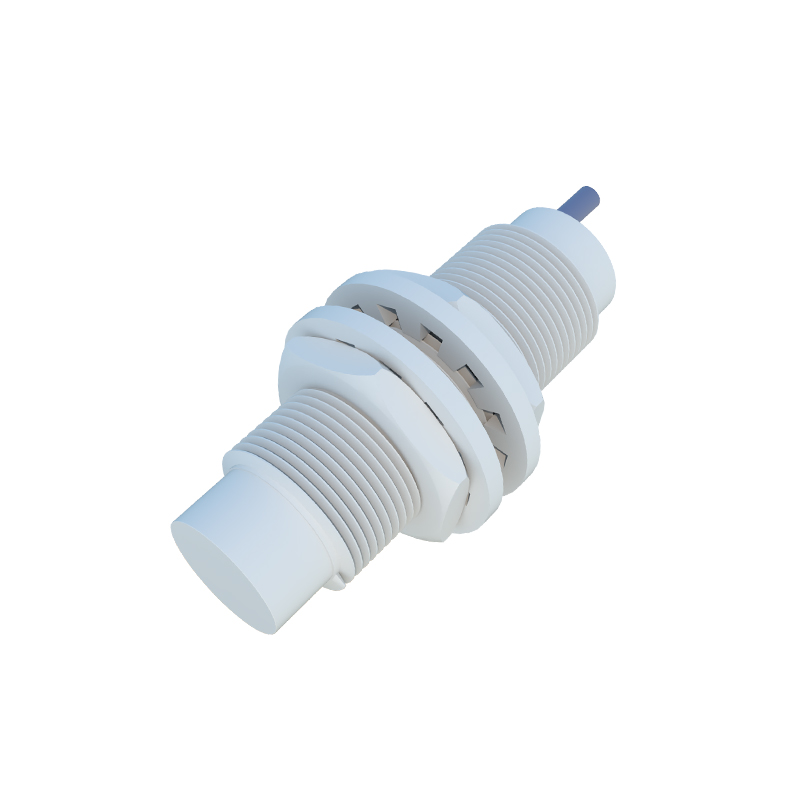
Market trends indicate a growing demand for wireless and battery-free sensor solutions, driven by the need for flexible and scalable automation systems. Companies like Balluff and ifm electronic are at the forefront of this shift, developing sensors that harness energy harvesting techniques or RFID technology for power-free operation. These innovations reduce wiring costs and simplify installation, particularly in retrofitting older facilities. Moreover, the emphasis on sustainability has prompted manufacturers to adopt eco-friendly materials and energy-saving designs, aligning with global green initiatives.
In conclusion, the proximity sensor industry is characterized by continuous innovation and intense competition among top-tier manufacturers. As automation becomes more pervasive, the role of these sensors will only expand, necessitating ongoing research and development. By partnering with reputable OEMs, businesses can leverage cutting-edge sensor technology to optimize their operations, enhance safety, and achieve long-term cost savings. The future promises even smarter, more integrated sensor systems that will further blur the lines between physical and digital industrial realms.