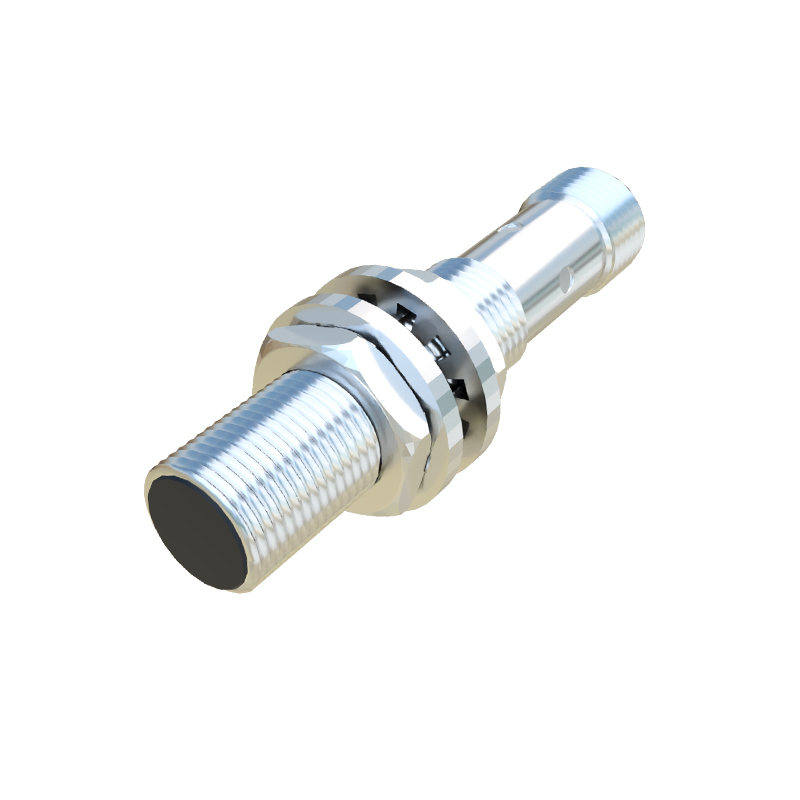
Laser proximity sensors are pivotal components in modern industrial automation, offering high precision and reliability for non-contact detection and measurement. These sensors operate by emitting a focused laser beam towards a target object. When the beam strikes the surface, it is reflected back to the sensor's receiver. By calculating the time-of-flight or phase shift of the returned light, the sensor accurately determines the distance to the object. This principle enables applications ranging from object presence detection and positioning to thickness measurement and quality control.
One of the primary advantages of laser proximity sensors is their exceptional accuracy and resolution. Unlike ultrasonic or inductive sensors, lasers provide a very narrow, coherent beam, allowing for precise detection of small objects or edges, even in challenging environments with varying ambient light or background interference. Many models feature adjustable sensing ranges and programmable outputs, making them versatile for diverse industrial setups, including packaging machinery, robotic guidance systems, and assembly lines.
When selecting a laser proximity sensor, engineers must consider several key parameters. The sensing range, typically from a few millimeters to several meters, should match the application's requirements. Response time is critical for high-speed processes; advanced sensors offer microsecond-level switching speeds. Environmental factors such as dust, moisture, or temperature fluctuations necessitate robust enclosures rated to IP67 or higher. Additionally, the target's surface properties—like color, reflectivity, or texture—can influence performance, prompting the need for sensors with automatic background suppression or teach-in functionality for calibration.
Integration into control systems is streamlined through various output options, including analog (4-20 mA, 0-10 V) and digital (PNP/NPN, IO-Link) signals. IO-Link connectivity enhances smart factory capabilities by enabling parameter configuration, diagnostics, and data exchange over a single cable. This facilitates predictive maintenance, as sensors can monitor their own status and alert operators to potential issues like lens contamination or alignment drift.
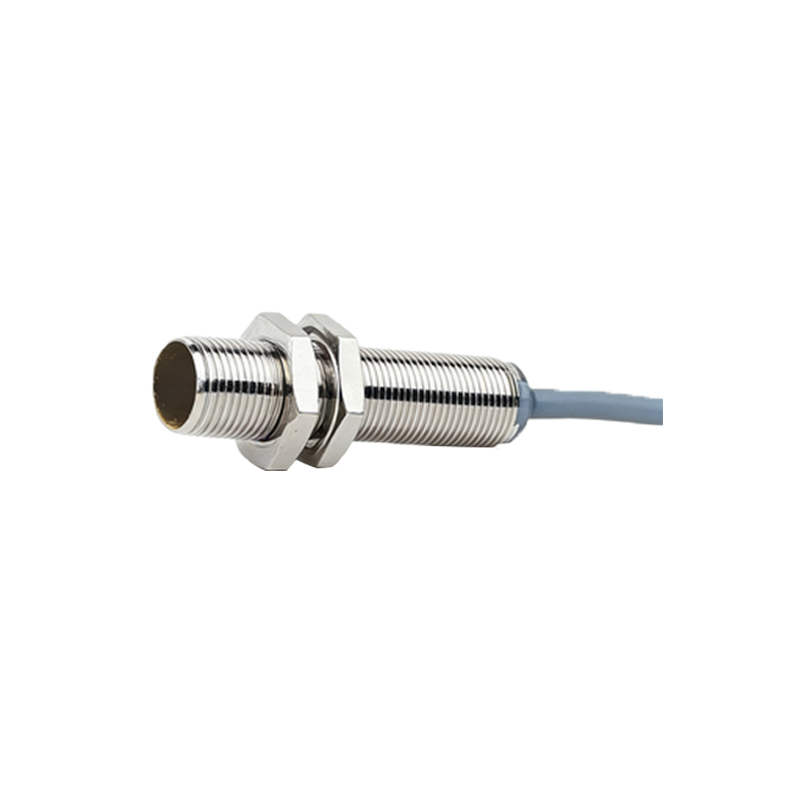
In practice, laser proximity sensors excel in tasks where precision is paramount. For instance, in automotive manufacturing, they ensure precise weld seam tracking or component gap verification. In electronics, they verify the placement of micro-components on circuit boards. Their ability to operate without physical contact eliminates wear and tear, ensuring long service life and reducing downtime. However, users must adhere to safety standards, such as IEC 60825-1, which classifies lasers by emission levels to prevent ocular hazards. Proper installation, including alignment and shielding, is essential to avoid erroneous readings or interference.
Looking ahead, advancements in miniaturization and cost reduction are expanding the adoption of laser proximity sensors. Emerging trends include multi-point detection for 3D profiling and integration with AI for adaptive sensing in dynamic environments. As Industry 4.0 evolves, these sensors will continue to underpin automation, driving efficiency and quality in manufacturing and beyond. By understanding their operational principles and selection criteria, engineers can leverage laser proximity sensors to optimize performance and innovate within their applications.