In the rapidly evolving landscape of industrial automation and smart electronics, the demand for ultra-compact proximity sensors has surged. These miniature marvels are pivotal in applications where space is at a premium, such as in consumer electronics, medical devices, compact robotics, and advanced automotive systems. For electrical engineers and procurement specialists, selecting the right supplier is not merely about sourcing a component; it's about ensuring reliability, precision, and seamless integration into increasingly dense and complex designs. This article delves into the key considerations when evaluating ultra-compact proximity sensor suppliers and highlights the technological and supply chain factors shaping this niche yet critical market.
The defining characteristic of an ultra-compact proximity sensor is its minimal footprint, often with sensing faces as small as a few millimeters. Despite their size, these sensors must deliver robust performance, including high sensitivity, short response times, and immunity to environmental interference like temperature fluctuations or electromagnetic noise. Suppliers leading in this field typically invest heavily in advanced micro-fabrication technologies, such as MEMS (Micro-Electro-Mechanical Systems) and precision molding, to achieve these specs. When assessing a supplier, engineers must scrutinize their manufacturing capabilities. A supplier with in-house, automated production lines and stringent quality control protocols, like 100% testing of sensing range and hysteresis, is often more reliable than one reliant on outsourced assembly. Certifications such as ISO 9001 for quality management and ISO/TS 16949 for automotive applications are strong indicators of a supplier's commitment to consistent quality.
Technical support and customization capabilities are another crucial differentiator. The best suppliers don't just sell standard catalog parts; they offer extensive engineering support. This includes providing detailed 3D models for PCB and enclosure design, application notes for challenging environments (e.g., sensing through thin non-metallic materials), and the ability to modify standard designs. For instance, a project might require a specific housing material for chemical resistance or a unique output configuration (NPN vs. PNP, NO vs. NC). A supplier with a responsive and knowledgeable applications engineering team can drastically reduce development time and mitigate integration risks. Furthermore, leading suppliers often provide sophisticated digital tools, such as online sensor selection wizards or simulation software, to help engineers model sensor behavior in their specific application before prototyping.
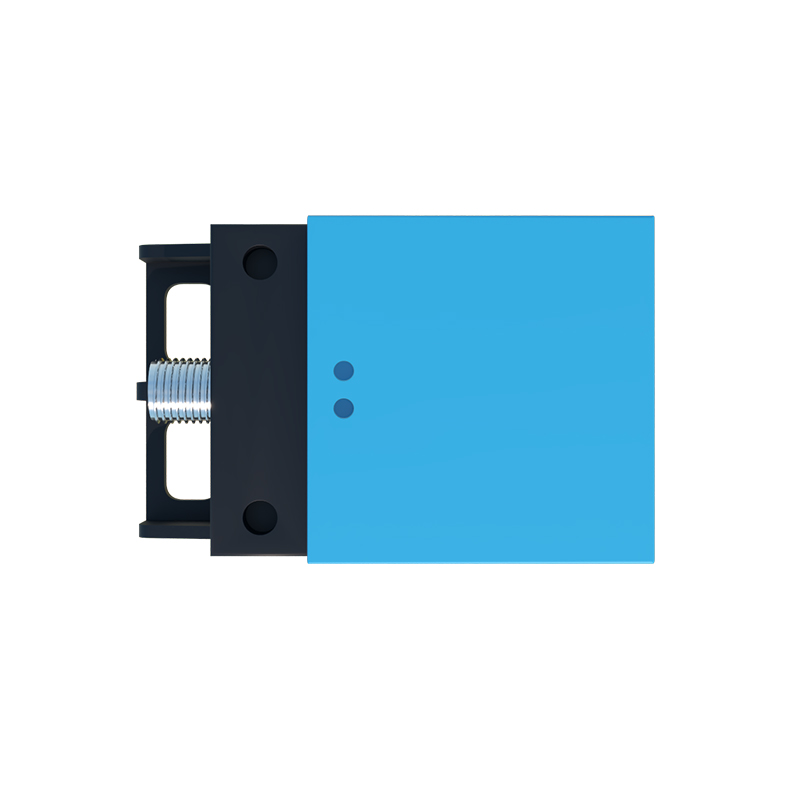
The sensor's underlying technology is a primary decision factor. Inductive sensors, detecting metallic objects, are common for machine automation. Capacitive sensors can detect both metallic and non-metallic materials, useful in level sensing or touch interfaces. Photoelectric sensors offer the longest range for their size. The top suppliers usually specialize in one or two of these technologies, pushing the boundaries of miniaturization and performance within their niche. Engineers should evaluate a supplier's product portfolio depth within the chosen technology. Does they offer variants with different sensing ranges, from 0.5mm to 5mm? Do they have models with built-in amplifiers or IO-Link capability for Industry 4.0 connectivity? A broad portfolio within a focused technology area suggests deep expertise.
Supply chain resilience and logistical support have become paramount in the post-pandemic era. An ultra-compact sensor is often a critical BOM item, and production halts due to component shortages are unacceptable. Evaluate a supplier's global manufacturing footprint, inventory management philosophy, and lead time consistency. Suppliers with multiple fabrication facilities or strategic component stockpiles generally offer better supply security. Additionally, consider their distribution network. Reliable suppliers partner with global distributors who maintain local stock, ensuring rapid availability for both prototyping and volume production. Transparency in communicating potential shortages or design changes is a hallmark of a trustworthy partner.
Finally, cost considerations must be balanced against total cost of ownership. While the unit price of the sensor is important, factors like integration ease, reliability (Mean Time Between Failures), and the supplier's support infrastructure contribute significantly to the overall project cost. A slightly more expensive sensor from a supplier with superior documentation, flawless quality, and excellent support can save substantial costs in debugging, rework, and downtime. In conclusion, selecting a supplier for ultra-compact proximity sensors requires a holistic evaluation beyond datasheet specifications. It demands an assessment of technological prowess, manufacturing rigor, application support, and supply chain strength. By partnering with suppliers who excel in these areas, electrical engineers can confidently integrate these tiny but powerful components into the next generation of innovative and reliable electronic systems.