Proximity sensors are essential components in industrial automation, enabling non-contact detection of objects. Proper wiring is critical for reliable operation and safety. This guide covers the fundamental steps and considerations for wiring inductive, capacitive, and magnetic proximity sensors, following industry standards and best practices.
First, identify the sensor type and specifications. Inductive sensors detect metallic objects, capacitive sensors sense both metallic and non-metallic materials, and magnetic sensors respond to magnetic fields. Check the datasheet for voltage ratings (commonly 10-30V DC or 90-250V AC), output type (PNP or NPN for DC, NO or NC for AC), and connection details. Ensure the power supply matches the sensor requirements to prevent damage.
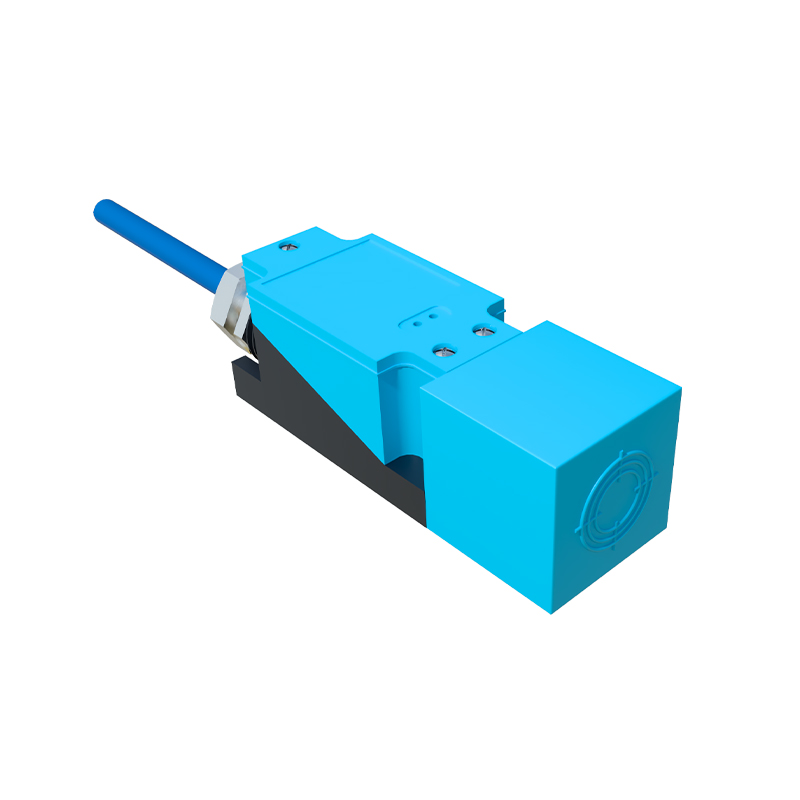
For DC sensors, wiring involves three or four wires: brown (positive), blue (negative), black (output), and sometimes white (complementary output). In a PNP configuration (sourcing), connect brown to the positive supply, blue to negative, and black to the load (e.g., PLC input). For NPN (sinking), wire black to the load, which then connects to positive, with blue to negative. Always verify polarity; reverse connections can cause failure. Shielded cables are recommended for noisy environments to reduce electromagnetic interference.
AC sensors typically have two wires: one for live and one for neutral, with output integrated. Connect according to local electrical codes, using protective devices like fuses or circuit breakers. Ensure proper grounding to avoid electrical hazards. For all types, secure connections with appropriate terminals (e.g., M12 connectors) and avoid loose wiring that may lead to short circuits.
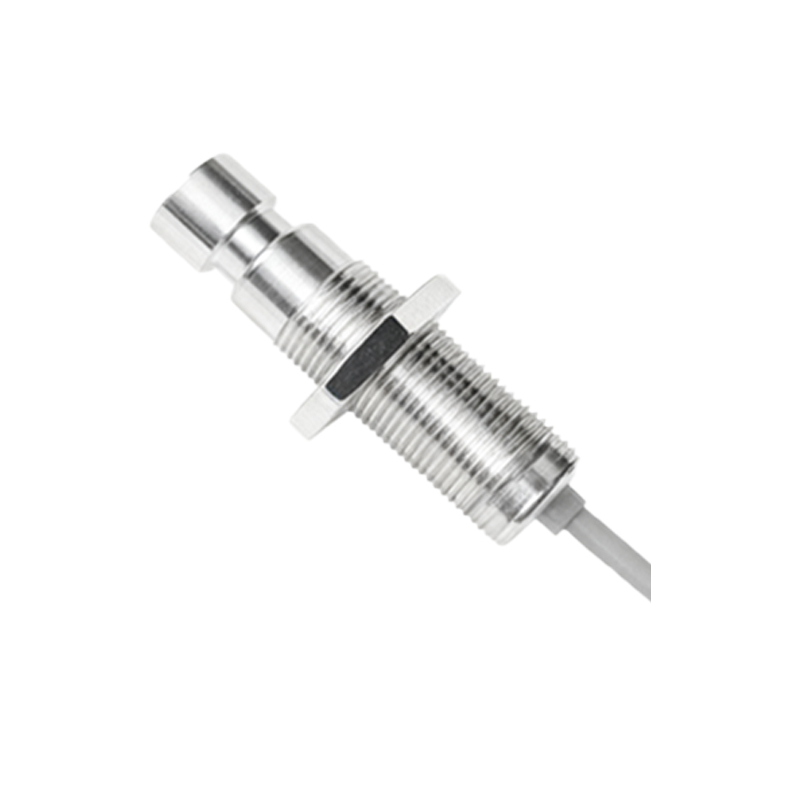
Testing is crucial after wiring. Use a multimeter to check voltage levels and output signals. Observe the sensor's indicator LED; it should illuminate when an object is detected. If issues arise, recheck connections, power supply, and sensor alignment. Regular maintenance, including inspection for wear or corrosion, ensures long-term performance.
By following these guidelines, engineers can achieve efficient and safe proximity sensor integration, enhancing automation system reliability. Always refer to manufacturer instructions and adhere to safety protocols during installation.