In the rapidly evolving landscape of industrial automation, proximity sensors have become indispensable components, enabling non-contact detection of objects and ensuring precision, safety, and efficiency across various applications. As an experienced electrical engineer in this field, I have evaluated numerous suppliers based on product reliability, technological innovation, support services, and global reach. Here, I present a comprehensive overview of leading proximity sensor suppliers that cater to diverse industrial needs.
First and foremost, Sick AG stands out as a premier supplier, renowned for its high-performance inductive, capacitive, and magnetic proximity sensors. Sick's sensors are engineered for harsh environments, offering robust designs with IP67 and IP69K ratings, making them ideal for automotive manufacturing, packaging, and material handling. Their innovative solutions, such as the IM12 series, provide exceptional sensing ranges and immunity to electromagnetic interference, which is critical for maintaining operational continuity in complex setups.
Another key player is Omron Corporation, a Japanese multinational with a strong reputation for quality and innovation. Omron's proximity sensor portfolio includes compact models like the E2E series, which are widely used in machine automation and robotics. These sensors feature advanced diagnostics and easy integration with PLC systems, reducing downtime and enhancing productivity. Omron’s global support network ensures timely technical assistance, which is vital for large-scale industrial projects.
Pepperl+Fuchs is also a dominant force, specializing in sensor technology for factory automation. Their inductive and capacitive proximity sensors are known for high precision and durability, particularly in hazardous areas requiring explosion-proof certifications. For instance, the NBB series offers reliable object detection in metalworking and assembly lines, with options for extended temperature ranges and customized housing materials. Pepperl+Fuchs emphasizes R&D, continuously introducing smart sensors with IO-Link communication for Industry 4.0 applications.
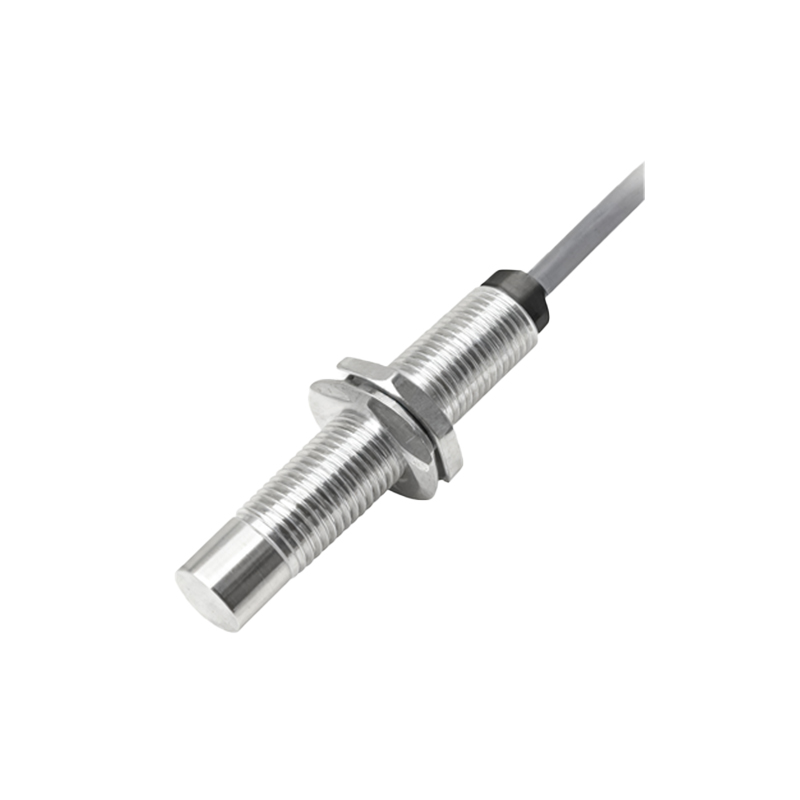
Balluff GmbH deserves mention for its versatile sensor solutions, including miniature proximity sensors that save space in tight installations. Balluff's BOS series provides high switching frequencies and resistance to welding spatter, making them suitable for welding robots and CNC machinery. Their focus on connectivity, through products like RFID systems and sensor hubs, aligns with modern digitalization trends, allowing seamless data exchange in automated processes.
ifm electronic is another reputable supplier, offering a broad range of inductive, capacitive, and ultrasonic proximity sensors. ifm’s sensors are praised for user-friendly features, such as LED indicators for setup and diagnostics, which simplify maintenance. The efector series, for example, is commonly deployed in food and beverage industries due to its hygienic design and compliance with sanitary standards. ifm’s global distribution ensures accessibility, backed by comprehensive online resources for engineers.
Rockwell Automation provides integrated automation solutions, with proximity sensors that complement their control systems. Their Allen-Bradley line includes sensors with advanced diagnostics and network compatibility, supporting protocols like EtherNet/IP. These are often chosen for heavy industries like mining and oil & gas, where reliability under extreme conditions is paramount. Rockwell’s emphasis on cybersecurity in sensor networks adds an extra layer of protection for critical infrastructure.
Turck is notable for its rugged sensor designs, featuring M12 and M18 connectors that withstand vibration and moisture. Turck’s proximity sensors, such as the BI series, are used in automotive and logistics for their high immunity to noise and long service life. They also offer multifunctional sensors that combine detection with measurement capabilities, reducing component counts in complex systems.
Emerging trends are shaping the supplier landscape, with a growing demand for smart sensors that enable predictive maintenance and IoT integration. Suppliers like Siemens and ABB are incorporating AI-driven analytics into their proximity sensors, allowing real-time monitoring and optimization. Additionally, sustainability is becoming a key criterion, with companies developing energy-efficient sensors and eco-friendly materials.
When selecting a proximity sensor supplier, engineers should consider factors like application-specific requirements (e.g., sensing distance, material compatibility), environmental conditions, and total cost of ownership. It’s advisable to request samples for testing and leverage supplier support for customization. Leading suppliers often provide online configurators and simulation tools to aid in selection.
In summary, the proximity sensor market is competitive, with suppliers like Sick, Omron, Pepperl+Fuchs, Balluff, ifm, Rockwell, and Turck leading the way. Their continuous innovation and commitment to quality ensure that industries can achieve higher automation levels, driving efficiency and safety. As technology advances, we can expect more integrated and intelligent sensor solutions from these key players.