Capacitive proximity sensors have become indispensable components in modern industrial automation, particularly for human detection applications. These sensors operate on the principle of capacitance change, detecting the presence of objects—including humans—without physical contact. When a person enters the sensing field, the sensor identifies variations in dielectric properties, triggering an output signal. This technology offers significant advantages in safety, efficiency, and operational reliability across various sectors.
In industrial environments, capacitive sensors are widely used for personnel safety monitoring. For instance, they can be integrated into machinery guards to prevent accidental contact with moving parts. When a worker approaches a hazardous zone, the sensor detects the human body and sends a signal to halt equipment operation immediately. This proactive approach reduces workplace injuries and complies with stringent safety regulations such as OSHA standards. Additionally, these sensors are employed in access control systems, ensuring only authorized personnel enter restricted areas.
The design and functionality of capacitive proximity sensors make them highly suitable for human detection. Unlike inductive sensors, which primarily detect metals, capacitive sensors respond to a broad range of materials, including human skin, due to its dielectric constant. Typical sensing ranges vary from a few millimeters to several centimeters, depending on the sensor model and environmental conditions. Advanced models feature adjustable sensitivity, allowing customization for specific applications like detecting through non-metallic barriers such as plastic or glass. This flexibility is crucial in settings where sensors must be concealed or protected from harsh conditions.
Key factors influencing sensor performance include environmental humidity, temperature, and electromagnetic interference. High humidity levels can affect capacitance readings, potentially leading to false triggers. To mitigate this, industrial-grade sensors often incorporate compensation algorithms and shielding techniques. Temperature stability is another critical aspect, especially in extreme climates where sensors must operate reliably. Modern capacitive sensors are designed with robust housings (e.g., IP67-rated) to withstand dust, moisture, and mechanical stress, ensuring longevity in demanding environments like manufacturing floors or outdoor installations.
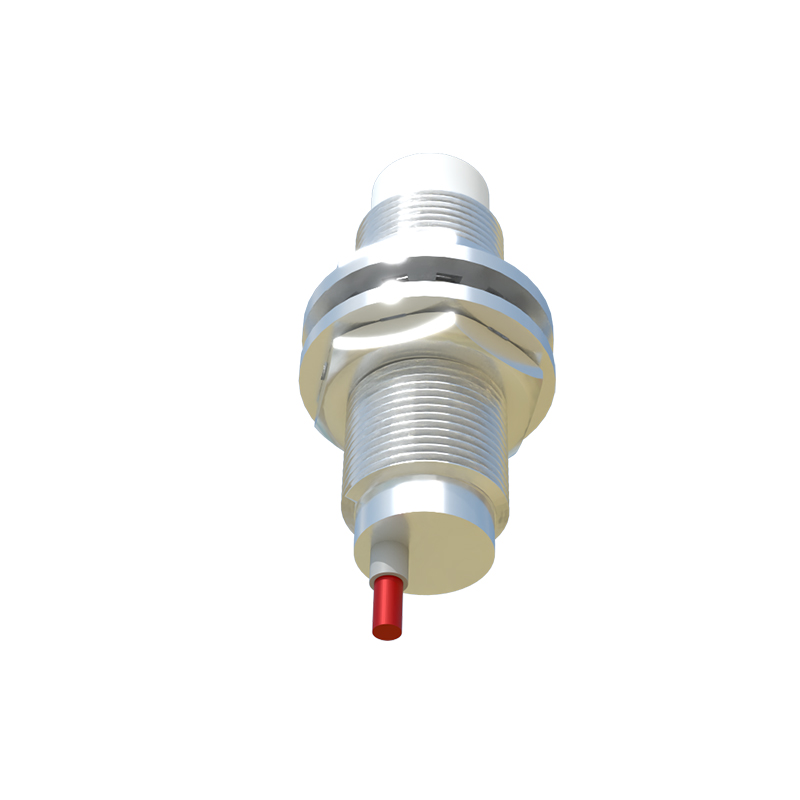
Applications extend beyond safety to include process automation and energy conservation. In smart buildings, capacitive sensors detect human presence to control lighting, HVAC systems, and elevators, optimizing energy usage. In automotive assembly lines, they monitor worker positions to coordinate robotic movements, enhancing productivity. The healthcare sector utilizes similar technology for patient monitoring, such as detecting falls or occupancy in beds. These diverse use cases highlight the sensor's versatility and growing importance in the Internet of Things (IoT) ecosystem.
When selecting a capacitive proximity sensor for human detection, engineers must consider parameters like response time, output type (e.g., analog or digital), and installation requirements. Fast response times—often in milliseconds—are essential for real-time safety applications. Digital outputs (e.g., PNP or NPN) simplify integration with PLCs and microcontrollers, while analog outputs provide continuous data for proximity measurement. Proper mounting and calibration are vital to avoid interference from surrounding objects, which could cause false readings. Regular maintenance, including cleaning and sensitivity checks, ensures consistent performance over time.
Future trends in capacitive sensing technology focus on miniaturization and enhanced intelligence. Micro-electromechanical systems (MEMS) are enabling smaller, more power-efficient sensors suitable for wearable devices and compact machinery. Integration with artificial intelligence allows for advanced features like gesture recognition and behavioral analysis, opening new possibilities in human-machine interaction. As industries embrace automation and smart systems, capacitive proximity sensors will continue to evolve, offering higher precision and adaptability for human-centric applications.
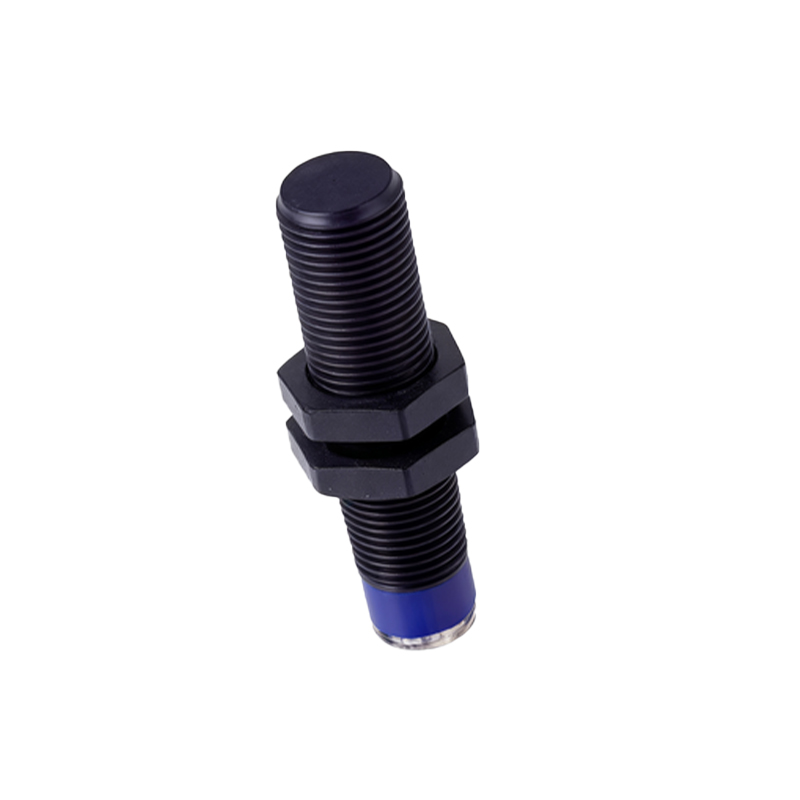
In summary, capacitive proximity sensors provide a reliable, non-contact solution for human detection in industrial and commercial settings. Their ability to enhance safety, improve efficiency, and enable automation makes them a cornerstone of modern engineering. By understanding their principles, applications, and selection criteria, professionals can effectively leverage this technology to address complex challenges in an increasingly automated world.