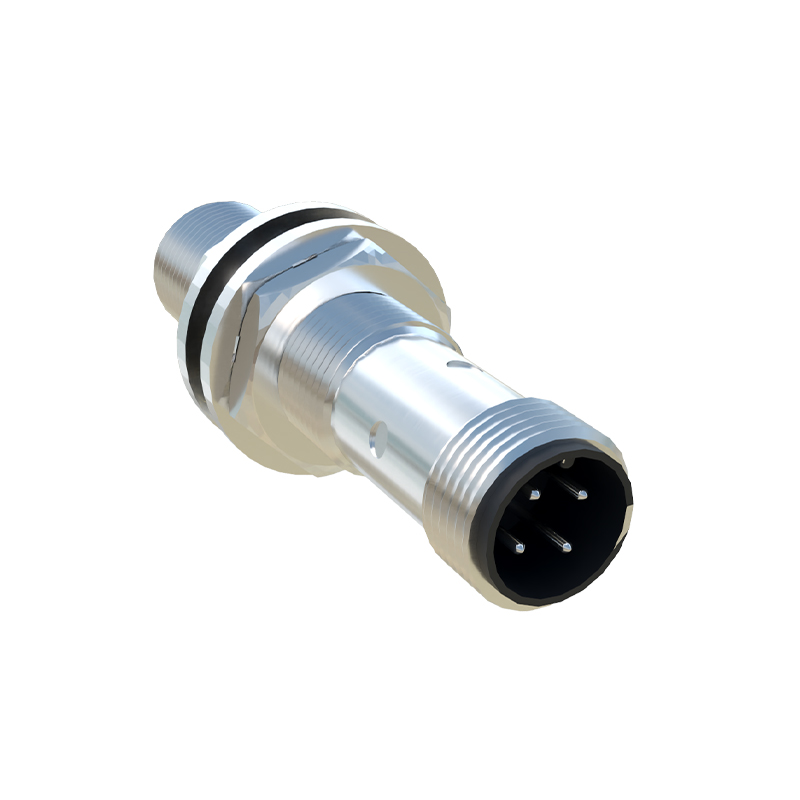
Proximity sensors are indispensable components in today's automated industrial landscape, serving as the eyes of machinery by detecting the presence or absence of objects without physical contact. These devices operate on various principles, including inductive, capacitive, ultrasonic, and optical technologies, each tailored to specific environmental and material conditions. In manufacturing, proximity sensors play a critical role in ensuring precision and efficiency. For instance, on assembly lines, they detect components' positions, enabling robotic arms to accurately pick and place items, thereby reducing errors and minimizing downtime. This non-contact detection eliminates wear and tear, extending equipment lifespan and lowering maintenance costs.
Beyond basic detection, proximity sensors enhance safety in hazardous environments. In areas where human presence could pose risks, such as near heavy machinery or high-voltage equipment, these sensors trigger alarms or halt operations when an object enters a predefined zone. This application is vital in compliance with safety standards like OSHA regulations, preventing accidents and protecting workforce well-being. Additionally, in the automotive industry, proximity sensors are integral to advanced driver-assistance systems (ADAS), enabling features like parking assistance and collision avoidance by measuring distances to nearby obstacles.
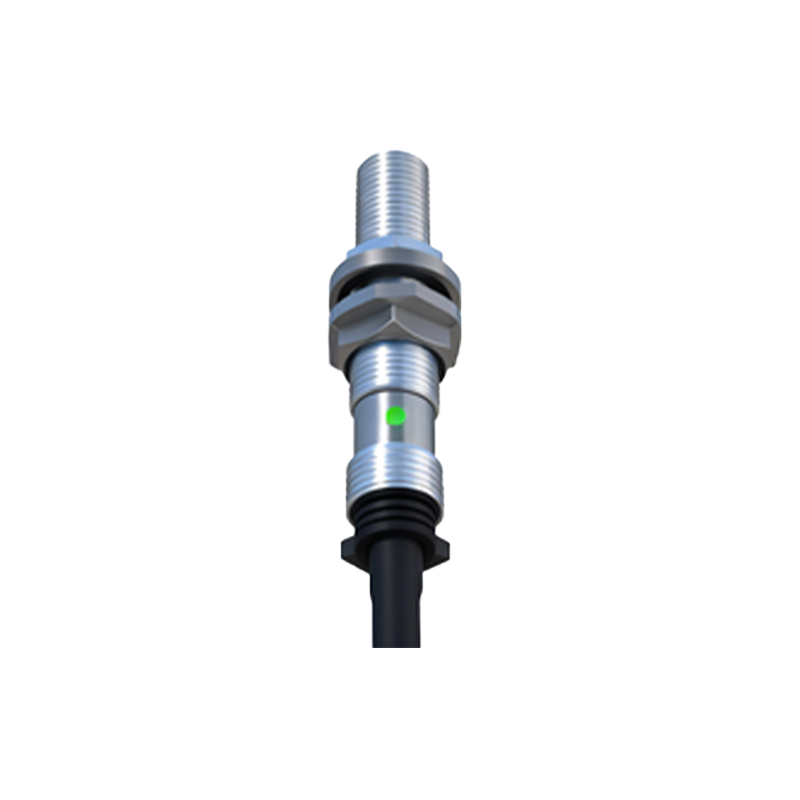
The utility of proximity sensors extends to quality control processes. In packaging lines, they verify that products are correctly aligned or that labels are properly applied, ensuring consistency and reducing waste. In the food and beverage sector, capacitive sensors detect liquid levels through container walls, maintaining hygiene by avoiding direct contact with contents. Moreover, these sensors contribute to energy conservation by activating systems only when needed, such as turning on conveyor belts upon detecting incoming materials, thus optimizing power usage in smart factories.
Innovations in IoT and Industry 4.0 have further expanded proximity sensors' capabilities. Integrated with wireless networks, they provide real-time data for predictive maintenance, alerting operators to potential failures before they occur. This connectivity supports agile manufacturing, where production lines can quickly adapt to changing demands. For example, in logistics, sensors track inventory movement in warehouses, streamlining supply chain operations. As industries evolve toward greater automation, the demand for reliable, high-speed proximity sensors continues to grow, driving advancements in miniaturization and sensitivity.
In summary, proximity sensors are versatile tools that boost productivity, safety, and sustainability across sectors. From automotive to pharmaceuticals, their ability to deliver accurate, contactless detection makes them essential for modern industrial applications, paving the way for smarter, more responsive systems.