In the realm of industrial automation, process control, and advanced machinery, the ability to detect the presence, absence, or position of an object without physical contact is paramount. This critical function is fulfilled by proximity sensors, and within this category, top-tier proximity sensors represent the pinnacle of reliability, precision, and technological sophistication. But what exactly constitutes a "top-tier" proximity sensor, and what sets it apart from standard offerings? This article delves into the core principles, advanced features, and key selection criteria that define these high-performance components.
At its fundamental level, a proximity sensor is a device that emits an electromagnetic field or a beam of electromagnetic radiation (often infrared light) and looks for changes in the field or return signal. The object being detected is termed the "target." Top-tier sensors excel in the consistency and stability of this field generation and signal interpretation. They are engineered to perform flawlessly in the most demanding environments, characterized by extreme temperatures, high levels of vibration, exposure to oils/coolants, or electromagnetic interference (EMI).
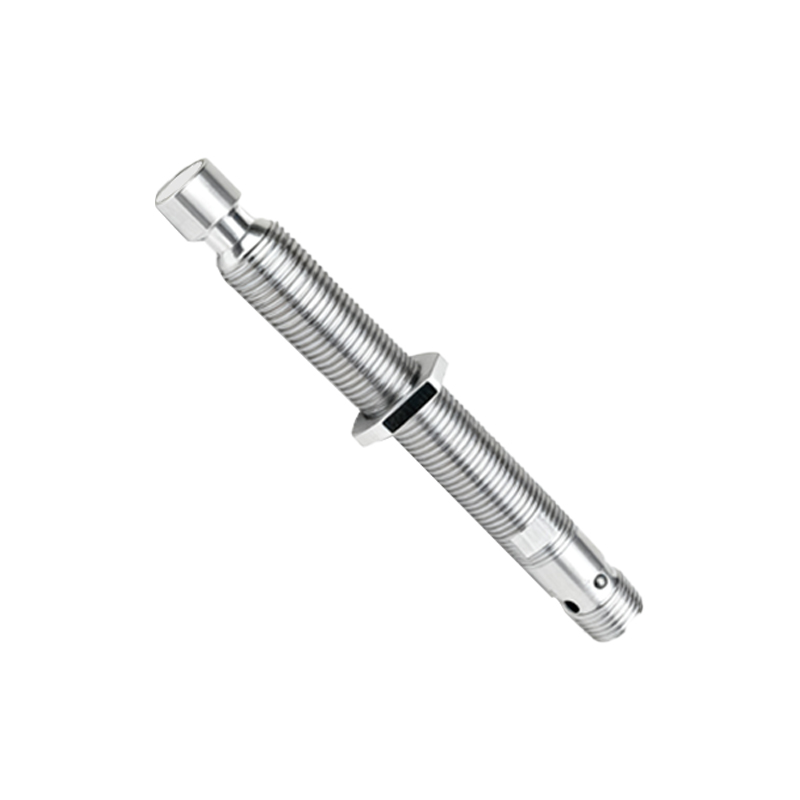
Several sensing technologies are employed in high-end proximity sensors, each with distinct advantages. Inductive sensors are the workhorses for detecting metallic objects. Top-tier inductive sensors feature exceptionally stable sensing distances, minimal temperature drift, and advanced designs that are immune to interference from adjacent sensors or metal backgrounds. Capacitive sensors can detect both metallic and non-metallic materials (like plastics, liquids, or wood). Premium capacitive sensors offer superior sensitivity adjustment and stability, preventing false triggers from humidity or material composition variations. Ultrasonic sensors use sound waves to detect objects and measure distance. High-end ultrasonic models provide excellent resolution, reliable operation in dusty or foggy conditions, and sophisticated algorithms to filter out acoustic noise. Finally, photoelectric sensors utilize light beams. Top-tier photoelectric sensors boast powerful, modulated LED light sources to overcome ambient light interference, precise background suppression, and rugged, sealed housings for dirty environments.
The designation "top-tier" is earned through a combination of superior performance characteristics. First is exceptional sensing range and repeat accuracy. A premium sensor will detect a target at its specified nominal range with minimal deviation, batch after batch, year after year. Second is enhanced durability and housing. They typically feature stainless steel or nickel-plated brass housings, high-quality PBT or PVDF sensing faces, and ingress protection ratings of IP67, IP68, or IP69K, ensuring resistance to water, dust, and high-pressure washdowns. Third is advanced electrical functionality. This includes short-circuit and overload protection, reverse polarity protection, and robust immunity to voltage spikes and EMI/RFI. Many top-tier sensors also offer IO-Link digital communication, enabling parameter setting, process data monitoring, and advanced diagnostics directly from the controller, facilitating predictive maintenance and Industry 4.0 integration.
Fourth is a wide operating temperature range, often from -25°C to +70°C or beyond, ensuring performance in freezer warehouses or near furnaces. Fifth is the quality of the output signal. Whether providing a crisp, clean discrete signal (PNP/NPN) or a precise analog current/voltage output, the signal from a premium sensor is stable and free from noise or chatter. Finally, comprehensive certifications from global standards bodies (like UL, CSA, CE, ATEX for hazardous areas) are a hallmark, guaranteeing safety and compliance in international markets.
Selecting a top-tier proximity sensor requires a careful analysis of the application. Key questions include: What is the target material? What is the required sensing distance? What are the environmental conditions (temperature, contaminants, washdown)? What electrical output and connection type are needed? Is diagnostic or networking capability (IO-Link) required? Answering these questions will guide the choice of technology and specific model. While the initial cost is higher than for economy sensors, the total cost of ownership for a top-tier sensor is often lower. This is due to dramatically reduced downtime from sensor failure, minimal maintenance needs, improved process quality from consistent detection, and longer service life, leading to a superior return on investment.
In conclusion, a top-tier proximity sensor is far more than just a simple switch. It is a highly engineered, reliable, and intelligent component that forms a critical link in automated systems. By combining robust construction, advanced electronics, and precise sensing technology, these sensors deliver unmatched performance that ensures efficiency, safety, and productivity in modern industrial applications. For engineers designing critical systems where failure is not an option, investing in top-tier proximity sensors is not a luxury, but a necessity.