Proximity sensors are indispensable components in modern industrial automation, providing non-contact detection of objects within a specified range. These devices enhance efficiency, safety, and reliability across various applications, from assembly lines to robotic systems. Among the plethora of options available, several platforms have emerged as industry standards due to their performance, versatility, and cost-effectiveness. This article explores the most commonly used proximity sensor platforms, detailing their operating principles, typical applications, and selection considerations.
Inductive proximity sensors are among the most prevalent types, primarily used for detecting metallic objects. They operate on the principle of electromagnetic induction, where an oscillator generates a high-frequency magnetic field. When a metal object enters this field, eddy currents are induced, causing a change in the oscillator's amplitude. This change is detected by a threshold circuit, which triggers an output signal. Inductive sensors are highly reliable, resistant to environmental factors like dust and moisture, and offer long service lives. Common applications include position sensing of metal parts, conveyor belt monitoring, and machine tool positioning. Key variants include shielded and unshielded models, with shielded types allowing flush mounting in metal and unshielded types providing longer sensing ranges.
Capacitive proximity sensors, on the other hand, can detect both metallic and non-metallic materials, such as plastics, liquids, and wood. They function by generating an electrostatic field and monitoring changes in capacitance when an object enters the sensing area. This makes them ideal for applications involving material level detection, presence sensing of non-metallic containers, and liquid interface monitoring. Capacitive sensors are sensitive to environmental factors like humidity and temperature, requiring careful calibration. However, their ability to sense through non-metallic barriers adds to their versatility in packaging and food processing industries.
Ultrasonic proximity sensors utilize sound waves beyond human hearing to detect objects. They emit ultrasonic pulses and measure the time taken for echoes to return, calculating distance based on the speed of sound. These sensors are effective for detecting objects of various materials, shapes, and colors, and they perform well in challenging environments with dust, smoke, or light interference. Typical uses include bulk material level measurement, object counting, and collision avoidance in automated guided vehicles (AGVs). While offering longer ranges compared to inductive and capacitive sensors, ultrasonic types may be affected by temperature variations and acoustic noise.
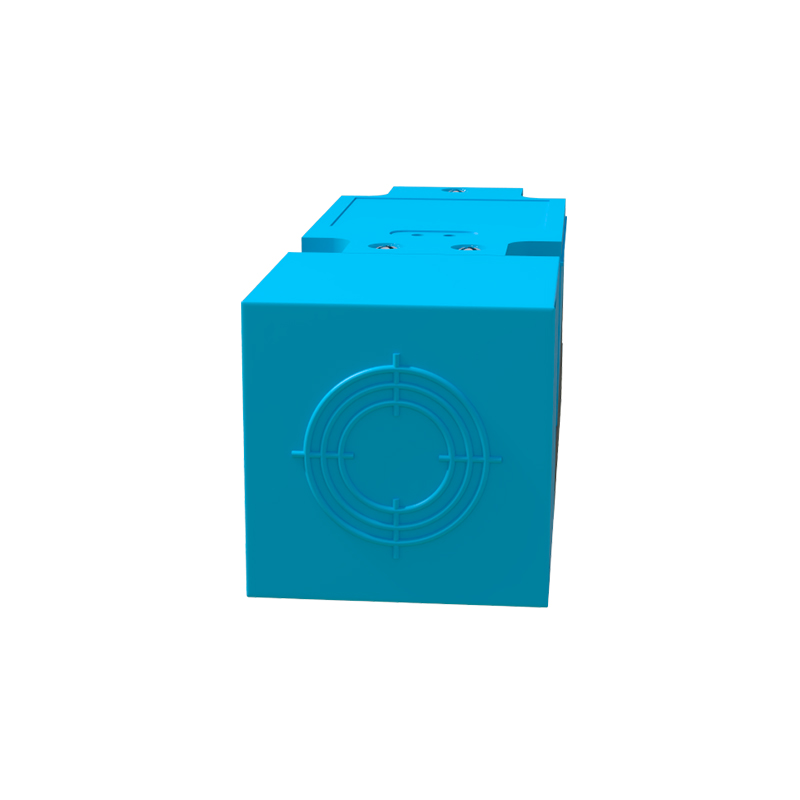
Magnetic proximity sensors are designed specifically for detecting permanent magnets, often used in conjunction with pneumatic cylinders or for position feedback in linear actuators. They rely on reed switches or Hall-effect technology, with Hall-effect sensors being more durable and capable of higher switching frequencies. Magnetic sensors are valued for their simplicity, low power consumption, and immunity to non-magnetic contaminants. Applications include detecting the position of cylinder pistons, limit switching in machinery, and safety interlocking systems.
Photoelectric sensors, though sometimes categorized separately, function as proximity sensors by using light beams to detect objects. They come in through-beam, retro-reflective, and diffuse reflective models, with diffuse types acting as true proximity sensors by reflecting light off the target. Photoelectric sensors excel in long-range detection and can sense tiny or transparent objects, making them suitable for packaging, electronics assembly, and pharmaceutical industries. However, they may be susceptible to ambient light and require clean lenses for optimal performance.
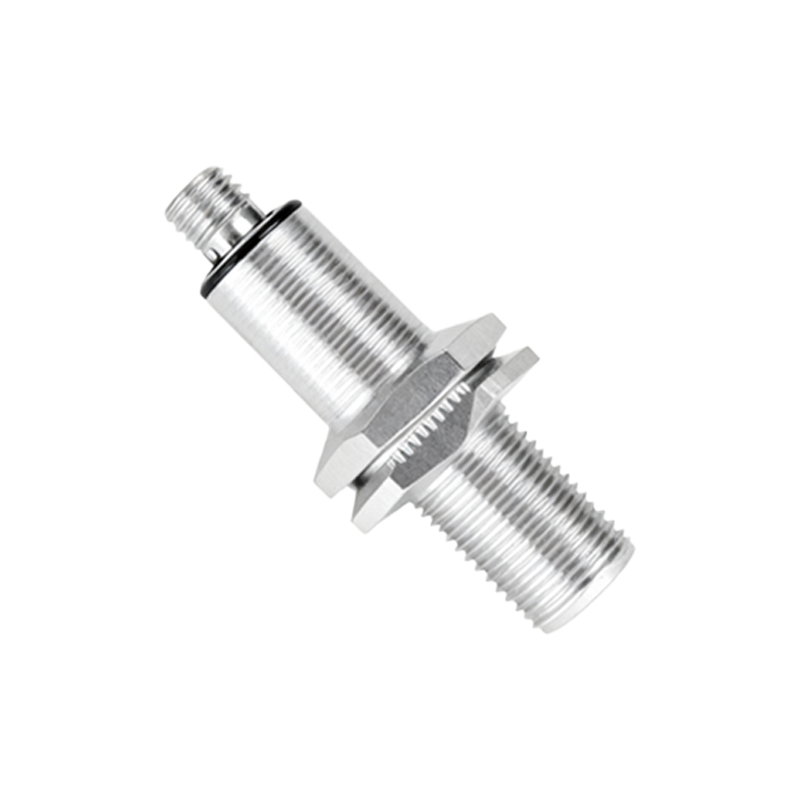
When selecting a proximity sensor platform, engineers must consider factors such as sensing range, target material, environmental conditions, response time, and output type (e.g., digital or analog). Inductive sensors are best for metals in harsh environments, capacitive for non-metals and level detection, ultrasonic for varied materials and longer distances, magnetic for magnet-based systems, and photoelectric for precise, long-range applications. Advancements in IoT integration and smart sensor technologies are further enhancing these platforms with features like self-diagnostics, IO-Link communication, and predictive maintenance capabilities.
In summary, the choice of proximity sensor platform hinges on specific operational needs. By understanding the strengths and limitations of each type, engineers can optimize automation systems for improved productivity and safety. As industries evolve towards greater connectivity and automation, these sensor platforms will continue to play a critical role in enabling intelligent manufacturing processes.