Onboard proximity sensors are critical components in modern metro systems, serving as the eyes and ears of train control and safety mechanisms. These sensors detect the presence of objects, personnel, or other trains within a specified range without physical contact, using technologies such as inductive, capacitive, ultrasonic, or laser-based methods. In the context of metro operations, they play a pivotal role in collision avoidance, door control, and precise stopping at platforms.
The primary function of these sensors is to ensure safe distances between trains, especially in automated or driverless metro lines. By continuously monitoring the surroundings, they provide real-time data to the Train Control and Management System (TCMS), which can initiate emergency brakes or adjust speed to prevent accidents. For instance, in crowded urban environments where trains operate at high frequencies, proximity sensors help maintain optimal headways, reducing the risk of rear-end collisions.
Another significant application is in platform screen door alignment. Modern metro stations often feature platform screen doors that open only when the train doors align perfectly with them. Proximity sensors mounted on the train and platform work in tandem to detect the exact position of the train, ensuring that doors open and close synchronously. This not only enhances passenger safety by preventing falls onto tracks but also improves operational efficiency by minimizing dwell times.
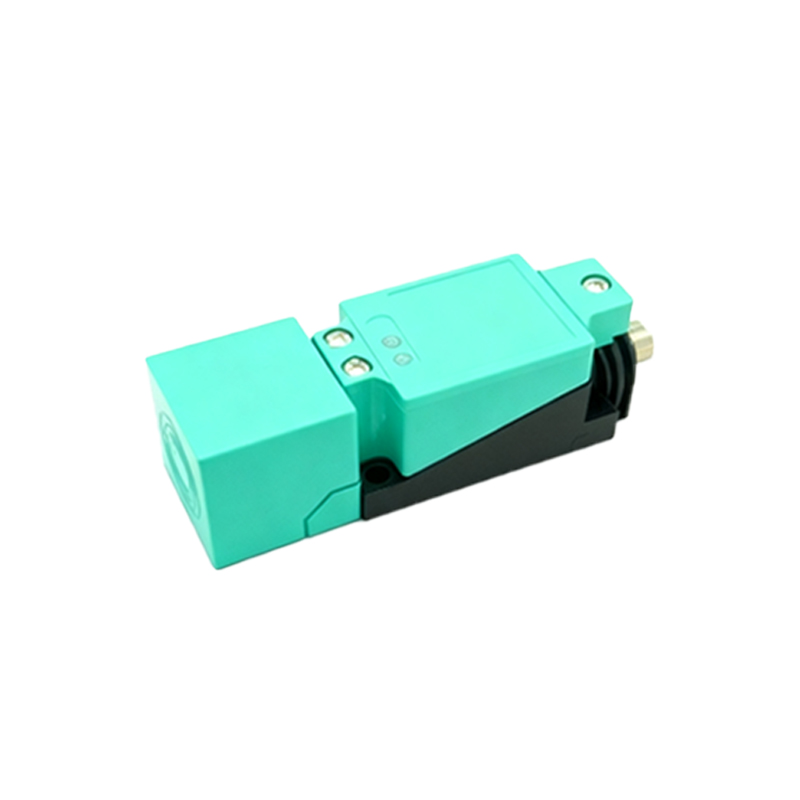
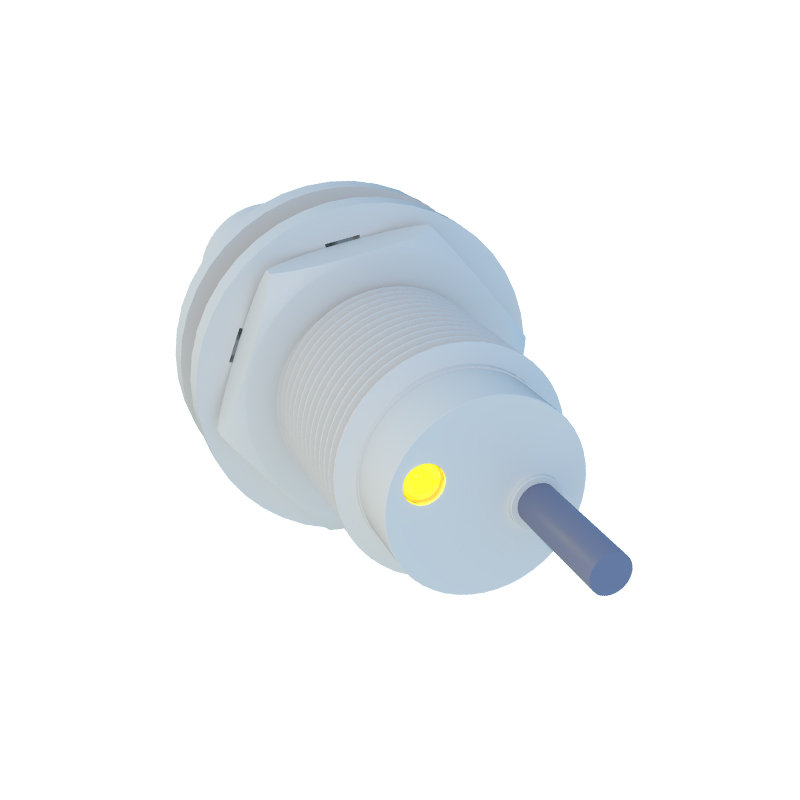
The technology behind these sensors has evolved considerably. Inductive sensors, commonly used for metal detection, are effective in track-side applications to identify train presence. Capacitive sensors can detect non-metallic objects, making them suitable for obstacle detection on the train's front. Ultrasonic sensors measure distance by emitting sound waves, ideal for monitoring gaps between cars or during coupling procedures. Laser-based LiDAR sensors offer high precision for mapping the environment, increasingly adopted in autonomous metro systems for advanced obstacle detection and navigation.
Maintenance and reliability are paramount in metro operations, given the harsh conditions sensors face, including vibrations, temperature fluctuations, and electromagnetic interference. Regular calibration and testing are essential to ensure accuracy. Many modern sensors feature self-diagnostic capabilities, alerting maintenance teams to potential failures before they impact service. For example, a sensor might detect drift in its measurements and trigger a maintenance alert, allowing for proactive repairs during off-peak hours.
In terms of integration, proximity sensors are part of a broader Internet of Things (IoT) ecosystem in smart metro networks. They communicate with other onboard systems, such as braking and propulsion units, via robust communication protocols like CAN bus or Ethernet. This interconnectedness enables predictive analytics, where data from sensors can be analyzed to optimize train performance, reduce energy consumption, and schedule maintenance more effectively.
Looking ahead, advancements in artificial intelligence and machine learning are set to revolutionize proximity sensing. AI algorithms can process sensor data to distinguish between different types of obstacles—such as a person versus debris—and make more informed decisions. This could lead to enhanced safety features, like predictive collision avoidance systems that anticipate hazards based on historical data and real-time inputs.
In conclusion, onboard proximity sensors are indispensable for the safety, efficiency, and automation of metro systems. As technology progresses, their role will expand, contributing to smarter, more resilient urban transit networks. Engineers and operators must stay abreast of these developments to leverage sensors for improved service reliability and passenger experience.