Proximity sensors are critical components in modern industrial automation, robotics, and consumer electronics, providing non-contact detection of objects within a defined range. However, anomalies in these sensors can lead to system failures, safety hazards, or reduced efficiency. This article explores 13 common proximity sensor anomalies, their potential causes, and practical troubleshooting steps to ensure reliable operation.
1. False Triggering: Occurs when the sensor activates without an actual target present. This can result from electromagnetic interference (EMI), environmental factors like dust or moisture, or incorrect sensitivity settings. Shielding cables, adjusting sensitivity, and ensuring proper grounding often resolve this issue.
2. No Detection: The sensor fails to detect valid targets. Causes may include misalignment, excessive sensing distance, target material incompatibility (e.g., non-metallic objects for inductive sensors), or sensor damage. Verify alignment, check specifications for suitable materials, and test with known targets.
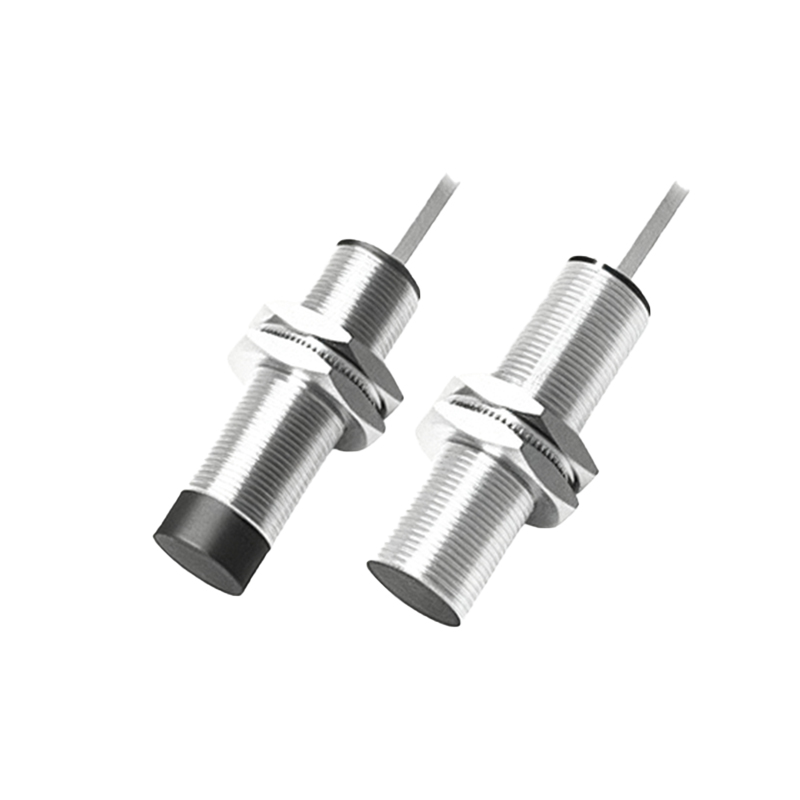
3. Inconsistent Output: Output signals vary unpredictably. Loose connections, voltage fluctuations, or worn-out components can lead to this anomaly. Inspect wiring, stabilize power supply, and consider replacing aging sensors.
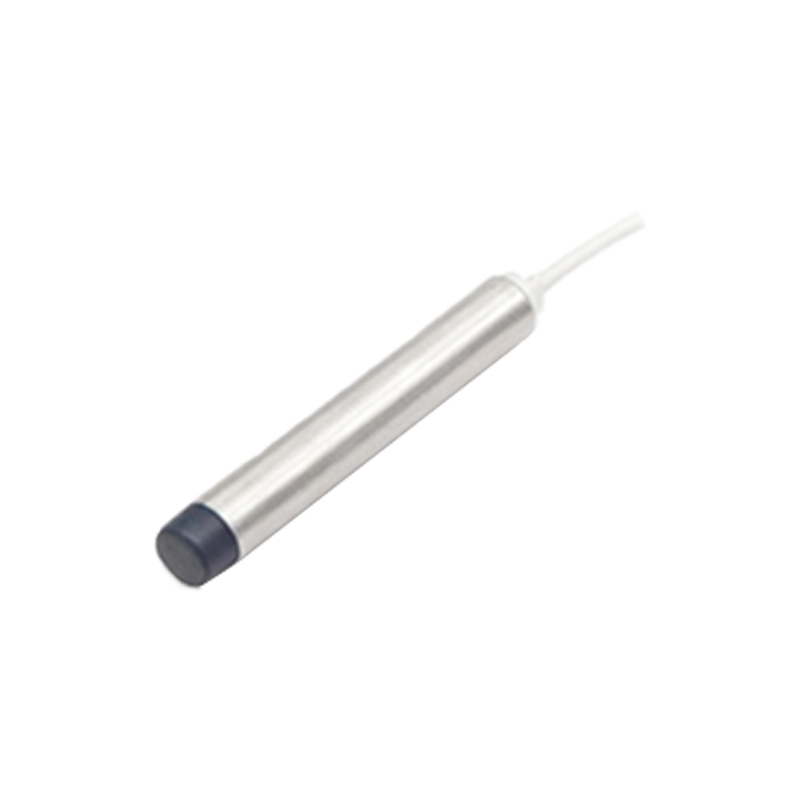
4. Shortened Sensing Range: The sensor detects objects only at reduced distances. This often stems from contamination on the sensor face, degraded internal components, or power supply issues. Clean the sensor lens or surface, and test with a calibrated setup.
5. Temperature Drift: Performance changes with temperature variations, common in extreme environments. Select sensors with appropriate temperature ratings, implement thermal insulation, or use temperature-compensated models.
6. Response Time Delay: The sensor reacts slower than specified. This can be due to internal circuit degradation, firmware issues, or external obstructions. Update firmware if applicable, and ensure no physical barriers affect detection.
7. Output Stuck High/Low: The sensor output remains constant regardless of target presence. This typically indicates internal circuit failure, such as a stuck relay or damaged output transistor. Replacement is usually necessary.
8. EMI/RFI Interference: Electromagnetic or radio frequency interference disrupts sensor operation. Use shielded enclosures, ferrite cores on cables, and ensure compliance with EMC standards to mitigate this.
9. Mechanical Damage: Physical impacts or vibrations can crack sensor housings or misalign internal elements. Install protective guards, use vibration-resistant mounts, and conduct regular inspections.
10. Moisture Ingress: Water or humidity infiltration causes corrosion or short circuits. Opt for sensors with high IP ratings (e.g., IP67 or above) for harsh environments, and seal connections properly.
11. Power Supply Issues: Inconsistent voltage or current leads to erratic behavior. Verify power ratings, use regulated power sources, and check for voltage drops in long cable runs.
12. Incorrect Wiring: Reversed polarity or loose terminals can prevent normal operation. Always follow manufacturer wiring diagrams and use secure connectors.
13. Aging and Wear: Over time, components degrade, reducing reliability. Implement preventive maintenance schedules, monitor performance trends, and replace sensors nearing end-of-life.
To troubleshoot these anomalies systematically, start with visual inspections for obvious damage or contamination. Next, verify electrical parameters using multimeters or oscilloscopes. Test with standardized targets under controlled conditions to isolate environmental factors. Consult manufacturer documentation for specific calibration procedures. In complex systems, integrate diagnostic software for real-time monitoring. Regular maintenance, including cleaning, calibration, and environmental controls, can prevent many issues. Additionally, training personnel on proper installation and handling reduces human error. For persistent problems, consider upgrading to more robust sensor models designed for challenging applications. By understanding these 13 anomalies, engineers can enhance system uptime and safety, ensuring proximity sensors perform optimally across industries.
SEO Keywords:proximity sensor anomalies, sensor troubleshooting, false triggering, EMI interference, industrial automation
SEO Description:Explore 13 common proximity sensor anomalies, including false triggering, no detection, and EMI issues, with practical troubleshooting tips to maintain reliability in industrial and electronic systems.