In the high-stakes, high-precision world of industrial laser cutting, the exchange platform stands as a critical component for maximizing productivity. This automated system allows for the swift swapping of material sheets—one being processed while the next is loaded—minimizing machine idle time. At the heart of this seamless choreography lies a seemingly humble yet indispensable device: the proximity sensor. Its role in ensuring positional accuracy, operational safety, and system reliability cannot be overstated. This article delves into the technical specifics of proximity sensor application within laser cutter exchange platforms, examining types, selection criteria, and integration best practices.
Proximity sensors, in this context, are non-contact electronic devices designed to detect the presence or absence of a metallic target—typically the exchange platform pallet, clamping mechanisms, or the material sheet itself—without any physical contact. Their primary function is to provide precise positional feedback to the machine's Programmable Logic Controller (PLC). This feedback loop is essential for confirming critical steps in the exchange sequence: Is the loaded pallet in the correct home position? Has the clamping system fully engaged? Is the platform locked securely before laser operation commences? A single missed or false signal can lead to catastrophic collisions, material misalignment, or costly machine downtime.
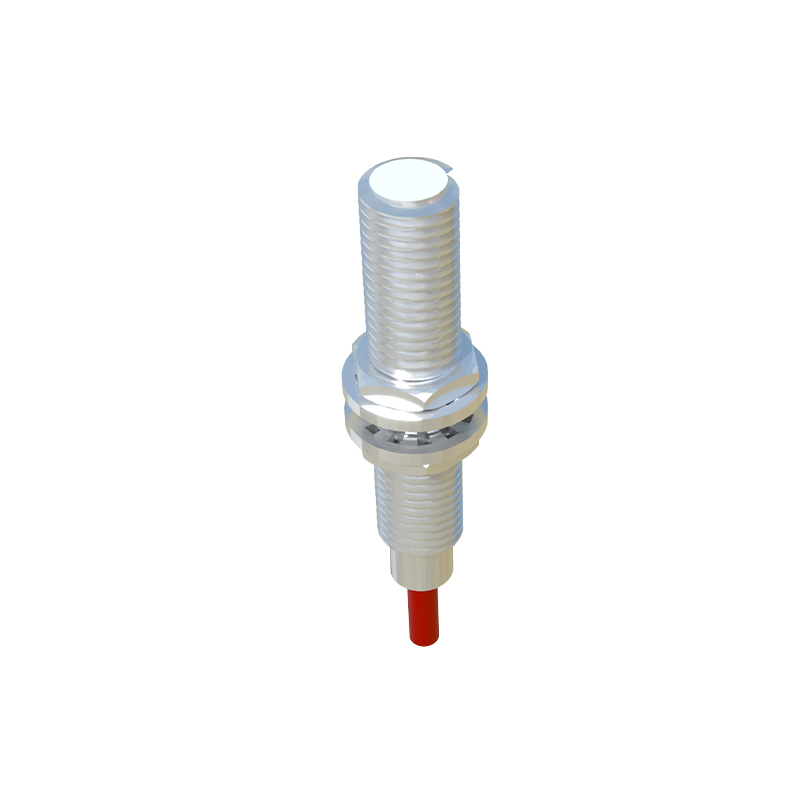
Several types of proximity sensors are commonly employed, each with distinct advantages. Inductive proximity sensors are the workhorses for detecting metallic pallets and components. Their operation is based on generating an electromagnetic field; when a conductive metal object enters this field, it causes a change in oscillation amplitude, triggering the sensor's output switch. For laser cutting environments, shielded (flush-mountable) inductive sensors are often preferred as they are less susceptible to interference from adjacent metallic structures. Key specifications include sensing distance (typically ranging from 2mm to 15mm for these applications), switching frequency (for high-speed platform movements), and housing material (often nickel-plated brass or stainless steel to resist cutting debris and coolants).
While less common for pallet detection, capacitive proximity sensors can be utilized for non-metallic target detection or level sensing of auxiliary systems. However, their sensitivity to environmental changes like humidity or dust makes them a secondary choice in the harsh laser cutting atmosphere. The choice between Normally Open (NO) and Normally Closed (NC) contacts is also crucial, often dictated by fail-safe design principles to ensure the system halts if a sensor circuit is broken.
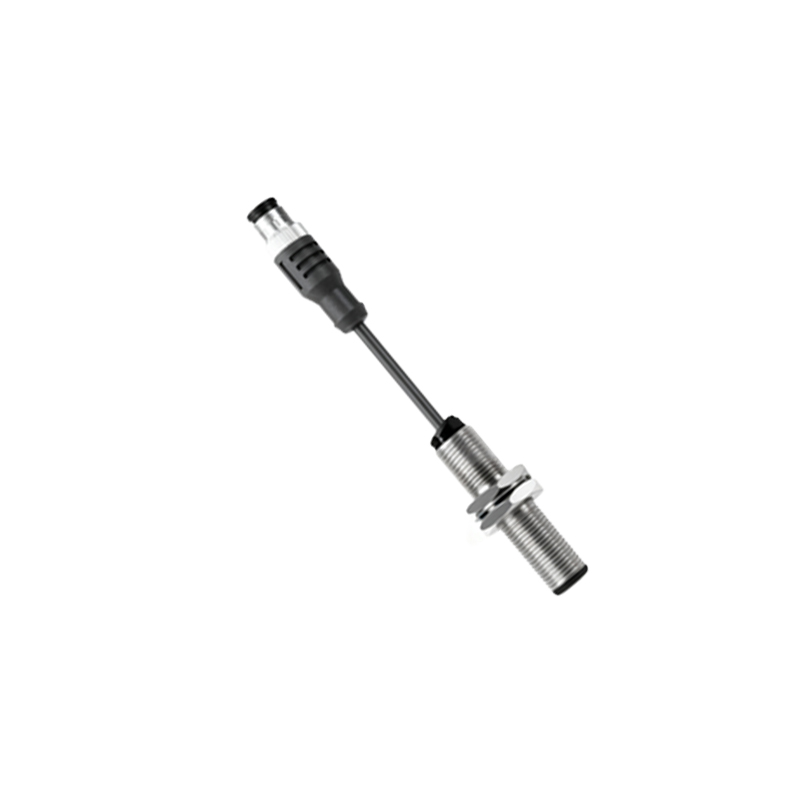
Selecting the right sensor involves a rigorous assessment of the operating environment. Laser cutting generates substantial amounts of metallic dust, smoke, and splatter. Sensors must therefore have a high IP (Ingress Protection) rating, such as IP67 or IP69K, to ensure resilience against particulate and liquid ingress. Temperature stability is another critical factor, as ambient heat from the cutting process and nearby drives can affect performance. Electromagnetic interference (EMI) from high-power laser generators and servo motors is a significant concern; sensors with robust EMI shielding and DC models with surge protection are mandatory to prevent erratic switching.
Integration into the control system is where engineering acumen truly shines. Sensors are typically wired to digital input modules on the PLC. Proper mounting is paramount—ensuring the correct sensing distance and alignment to avoid false triggers from vibration. Redundancy, or the use of multiple sensors in a voting logic for critical positions (like platform lock), is a common practice in high-reliability designs. Diagnostic capabilities, such as sensors with LED status indicators or IO-Link functionality, provide invaluable data for predictive maintenance, alerting operators to degrading performance before a failure occurs.
The consequences of sensor failure are severe. A malfunctioning sensor can cause the exchange platform to move while unlocked, leading to a crash with the laser gantry. It can also result in a pallet being mispositioned by mere millimeters, ruining a costly sheet of metal due to cut path inaccuracy. Therefore, a proactive maintenance schedule involving regular cleaning of sensor faces to remove dust buildup and periodic functional checks is a non-negotiable aspect of operational protocol.
In conclusion, proximity sensors in laser cutter exchange platforms are far more than simple switches. They are the essential sensory organs of an automated system, enabling speed, precision, and safety. Their selection and integration demand a thorough understanding of both sensor technology and the demanding laser cutting environment. By specifying robust, appropriately shielded sensors and implementing them within a well-designed control architecture, engineers can ensure that the exchange platform—and by extension, the entire laser cutting cell—operates at peak efficiency with unwavering reliability. The continuous evolution of sensor technology, including the rise of smart sensors with advanced communication protocols, promises even greater diagnostic depth and integration for the next generation of intelligent laser manufacturing systems.