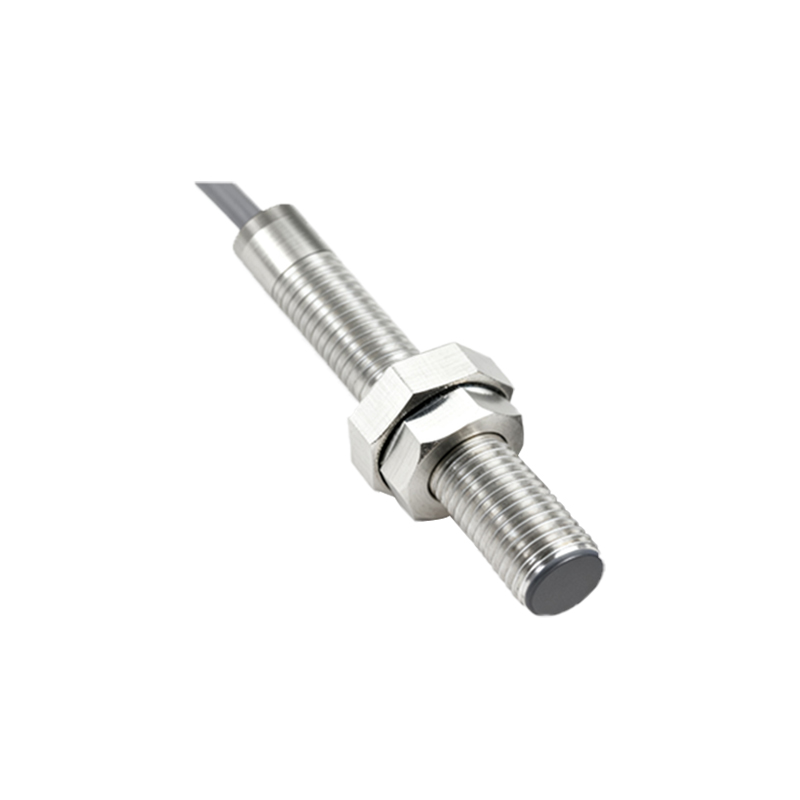
Diffuse reflective proximity sensors are indispensable components in modern industrial automation, offering reliable non-contact detection of objects within a specified range. These sensors operate by emitting a light beam, typically infrared or visible LED-based, and measuring the intensity of light reflected back from a target object. Unlike through-beam or retro-reflective sensors, diffuse sensors do not require a separate reflector, making them ideal for applications where mounting a receiver opposite the emitter is impractical. Common industrial uses include object detection on conveyor belts, material level monitoring, part positioning in assembly lines, and presence sensing in packaging machinery.
When sourcing diffuse reflective proximity sensors, several technical specifications must be considered to ensure optimal performance. Sensing range is a critical parameter, typically ranging from a few millimeters to several meters, depending on the model and target reflectivity. Response time, measured in milliseconds, determines how quickly the sensor can detect changes, which is vital for high-speed automation processes. Environmental factors such as ambient light immunity, temperature tolerance, and ingress protection (IP) ratings are also crucial, especially in harsh industrial settings like manufacturing plants or outdoor installations. Additionally, output types—including NPN, PNP, analog, or IO-Link—should match the control system requirements.
Procuring these sensors involves multiple channels, each with distinct advantages. Authorized distributors of major brands like Sick, Omron, Pepperl+Fuchs, and Banner Engineering offer genuine products with full technical support and warranty coverage. These distributors often provide customization options, such as specific cable lengths or housing materials, to meet unique application needs. Online industrial supply platforms, such as Allied Electronics, Digi-Key, or RS Components, offer extensive catalogs with detailed datasheets, user reviews, and competitive pricing. For large-scale projects or OEM requirements, direct engagement with manufacturers can lead to volume discounts and tailored solutions.
Quality assurance is paramount when purchasing diffuse reflective proximity sensors. Counterfeit or substandard components can lead to system failures, safety hazards, and increased downtime. Always verify certifications like CE, UL, or RoHS compliance, which indicate adherence to international safety and environmental standards. Requesting samples for testing in real-world conditions is a recommended practice, as it allows validation of performance metrics like repeat accuracy and drift resistance. Additionally, consider suppliers that offer after-sales services, including calibration, troubleshooting, and replacement policies.
Emerging trends in sensor technology, such as smart sensors with integrated diagnostics or Ethernet connectivity, are expanding the capabilities of diffuse reflective models. These advancements enable predictive maintenance and seamless integration into Industry 4.0 frameworks. When selecting a supplier, evaluate their ability to provide future-proof solutions and ongoing firmware updates. Ultimately, the choice of procurement channel should balance cost, reliability, and technical support to ensure long-term operational efficiency in industrial automation systems.