In the realm of industrial automation and control, the reliability and precision of sensing components are paramount. Among the myriad of options available, the MJL12D11F10-R5 proximity sensor stands out as a robust and versatile solution designed for demanding environments. This article provides a comprehensive technical analysis of this sensor, examining its operating principles, key specifications, typical applications, and integration considerations.
The MJL12D11F10-R5 is an inductive proximity sensor, a type of non-contact sensor that detects the presence of metallic objects. Its fundamental operation relies on electromagnetic induction. The sensor generates a high-frequency oscillating electromagnetic field from its active face. When a metallic target enters this field, eddy currents are induced within the target, causing a change in the oscillation amplitude within the sensor's internal LC tank circuit. This change is detected and processed by the integrated circuitry, which subsequently triggers a solid-state switching output. This non-contact detection method eliminates mechanical wear, ensuring a long operational life and high reliability—critical factors in continuous production processes.
Key specifications define the sensor's performance envelope. The MJL12D11F10-R5 typically offers a nominal sensing range, often around 10mm, though precise values should always be verified against the official datasheet. It features a flush-mountable design, allowing it to be installed embedded in metal without a reduction in its sensing distance. The housing is constructed from nickel-plated brass or high-grade stainless steel, providing excellent resistance to mechanical impacts, oils, and coolants commonly found in industrial settings. The electrical output is usually a DC three-wire configuration (PNP or NPN, sourcing or sinking), with options for normally open (NO) or normally closed (NC) logic. Operating voltage ranges are compatible with standard 10-30V DC industrial control systems. Importantly, it incorporates protection against short-circuits, reverse polarity, and electrical noise (EMI), which enhances system stability.
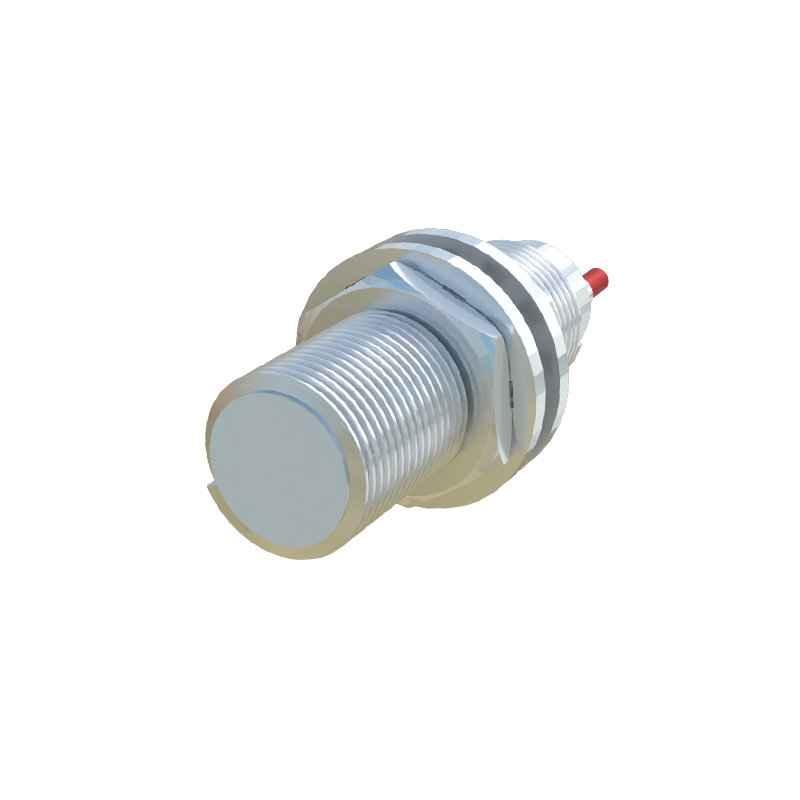
A defining feature is its integrated ASIC (Application-Specific Integrated Circuit). This advanced chipset provides enhanced temperature stability, compensating for drift across a wide operating temperature range (e.g., -25°C to +70°C). It also allows for a very consistent switching hysteresis, minimizing false triggers even in environments with vibration or target positioning variance. The LED status indicator, a simple yet vital feature, provides immediate visual feedback on power and output state, greatly aiding in installation and troubleshooting.
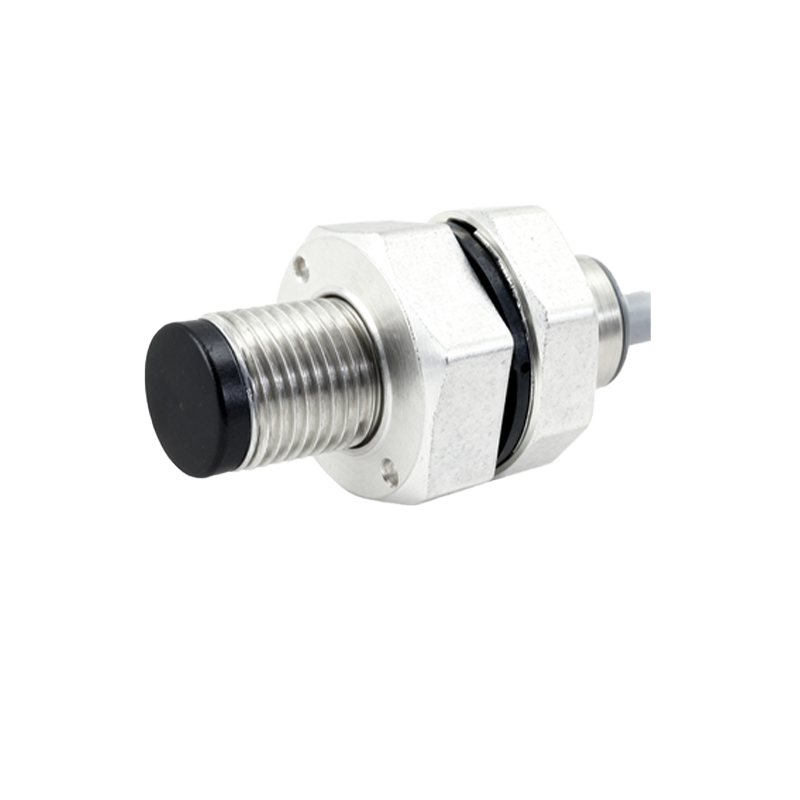
The applications for the MJL12D11F10-R5 are extensive across factory floors. It is ideally suited for position verification in automated assembly lines, such as confirming the presence of a metal component in a fixture or the end-of-travel position of a pneumatic cylinder. In material handling, it can count metallic parts on a conveyor or control sorting gates. Machine tool manufacturers integrate these sensors for tool presence detection, chuck jaw positioning, and coolant level monitoring. Its rugged build makes it suitable for harsh environments like welding cells or stamping presses, where resilience to metallic debris and physical shock is essential.
When integrating the MJL12D11F10-R5 into a control system, several best practices should be followed. First, ensure the target material is ferrous (like iron or steel) for optimal sensing distance; non-ferrous metals like aluminum or copper will reduce the effective range. The sensor should be mounted securely, with attention paid to the recommended tightening torque to avoid damaging the housing. In applications with multiple sensors mounted closely, maintain adequate spacing to prevent mutual interference. Electrical wiring must conform to standards, using shielded cables in areas with high electromagnetic noise and ensuring proper grounding. The load connected to the output should not exceed the sensor's maximum switching current rating.
Maintenance is minimal but crucial. Regular inspection for physical damage, accumulation of metallic swarf on the sensing face, and verification of the output signal under normal operating conditions will prevent unexpected downtime. Cleaning the active face with a soft cloth ensures no insulating layers interfere with the electromagnetic field.
In conclusion, the MJL12D11F10-R5 proximity sensor exemplifies the engineering excellence required for modern industrial automation. Its combination of durable construction, stable electronic performance via ASIC technology, and compliance with industrial protection standards makes it a dependable workhorse. For engineers and system integrators designing machinery for packaging, automotive, metalworking, or any sector requiring precise, non-contact metal detection, this sensor offers a proven and reliable solution that contributes to enhanced productivity, safety, and operational efficiency. Understanding its technical nuances is the first step toward leveraging its full potential in creating robust and intelligent automated systems.