In the realm of industrial automation and control systems, proximity sensors stand as critical components for non-contact object detection. Among the various types available, E2E proximity sensors, particularly inductive models, have garnered significant attention for their reliability and precision in harsh environments. This article delves into the technology behind E2E proximity sensors, their key applications, and essential factors for selection, providing a comprehensive guide for engineers and system integrators.
E2E proximity sensors operate primarily on the principle of electromagnetic induction. The sensor generates an oscillating electromagnetic field from its active face. When a metallic object enters this field, eddy currents are induced on the object's surface. These currents absorb energy from the oscillator, causing a change in the oscillation amplitude. The sensor's internal circuitry detects this change and triggers a switching signal—either normally open (NO) or normally closed (NC). The term "E2E" often refers to a specific form factor or product series known for a cylindrical, compact design with standardized dimensions, facilitating easy installation in tight spaces. A key advantage is their ability to detect ferrous and non-ferrous metals, though sensing distance, or "switching distance," can vary based on the target material's properties, such as conductivity and permeability.
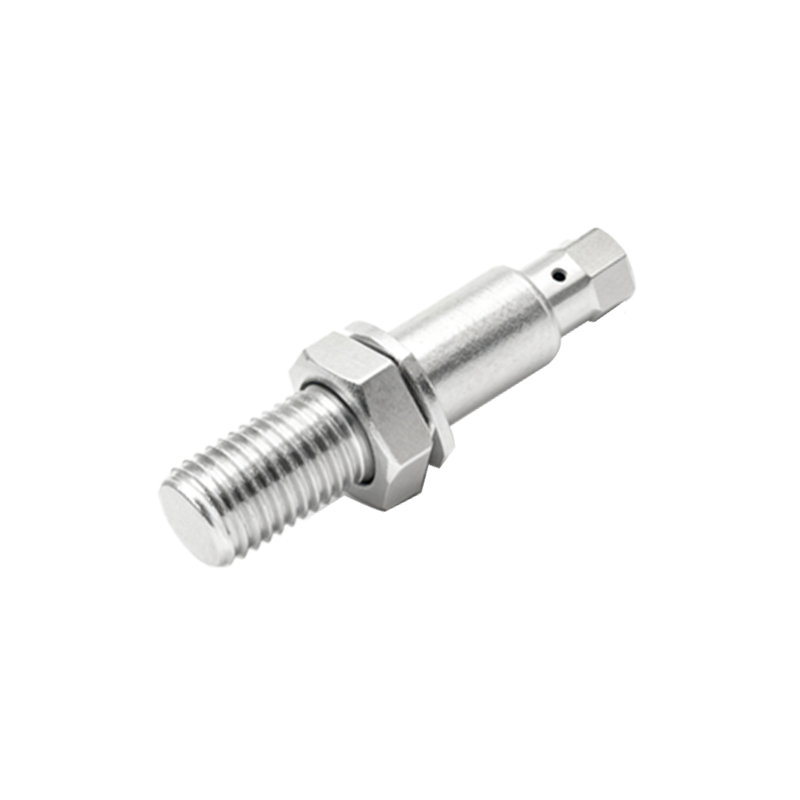
The performance of an E2E inductive proximity sensor is characterized by several technical parameters. The nominal sensing distance (Sn) is specified for a standard target, typically mild steel. Factors like temperature fluctuations, supply voltage variations, and external electromagnetic interference can influence operational stability. Modern E2E sensors incorporate features like short-circuit protection, overload protection, and immunity to mutual interference when mounted adjacently. Housing materials, usually made of nickel-plated brass or stainless steel, offer high degrees of protection (e.g., IP67, IP69K), making them resistant to dust, water, oils, and coolants. This robustness is crucial for applications in machine tools, automotive assembly lines, and material handling systems.
Applications of E2E proximity sensors are vast and span multiple industries. In automotive manufacturing, they are used for position detection of pistons, cylinders, and robotic arms, ensuring precise assembly sequences. Packaging machinery relies on these sensors to detect the presence of metallic lids, caps, or containers on high-speed conveyor belts. In metalworking, they monitor tool presence, workpiece positioning, and end-of-travel limits on CNC machines. Furthermore, their sealed construction allows use in washdown environments common in food and beverage processing. Beyond standard detection, specialized versions offer analog outputs for distance measurement or high-temperature resistance for foundries and welding equipment.
Selecting the appropriate E2E proximity sensor requires careful consideration of application-specific demands. First, determine the required sensing distance and ensure it accounts for any reduction factors when detecting non-ferrous metals like aluminum or copper. The sensor's diameter, often ranging from M5 to M30, must fit the mounting hole. Electrical characteristics are equally important: choose between DC (2-wire or 3-wire) or AC models, ensuring compatibility with the control system's voltage and current ratings. Output configuration (PNP vs. NPN) must align with the PLC or controller input type. Environmental conditions dictate the necessary ingress protection rating and housing material; stainless steel is preferred for corrosive or high-pressure washdown areas. For high-speed applications, consider the sensor's switching frequency. Lastly, verify certifications for specific industries, such as ATEX for explosive atmospheres.
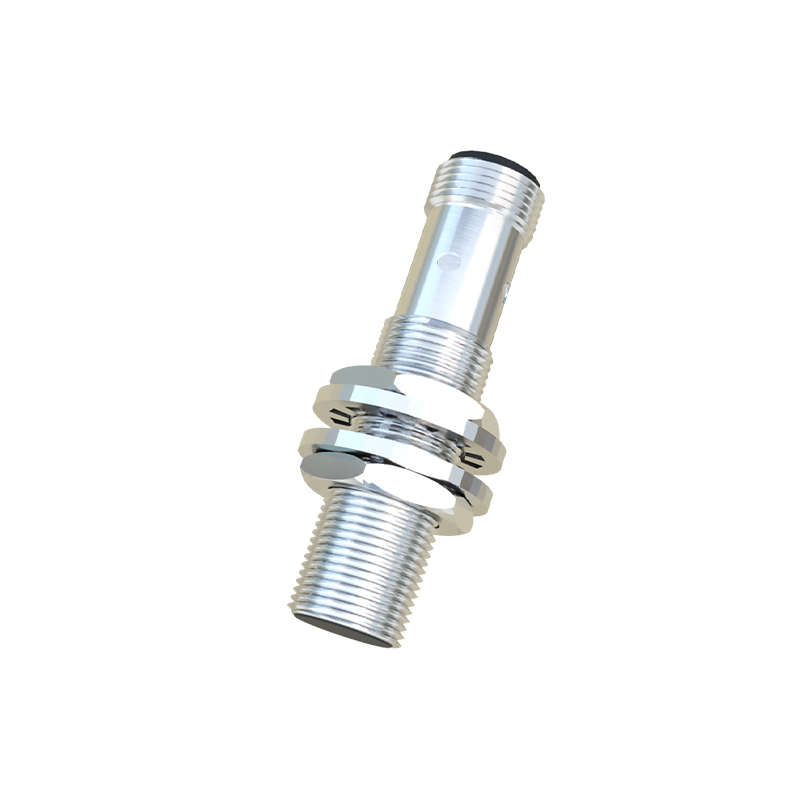
Installation and maintenance practices significantly impact sensor longevity and performance. Ensure proper mounting, avoiding flush installation if the sensor is not designed for it, as this reduces the effective sensing range. Maintain a minimum clearance between multiple sensors to prevent mutual interference. Regularly clean the sensing face of debris or buildup that could cause false triggers. While E2E sensors are largely maintenance-free, periodic checks for mechanical damage, loose connections, or output signal drift are recommended as part of preventive maintenance routines.
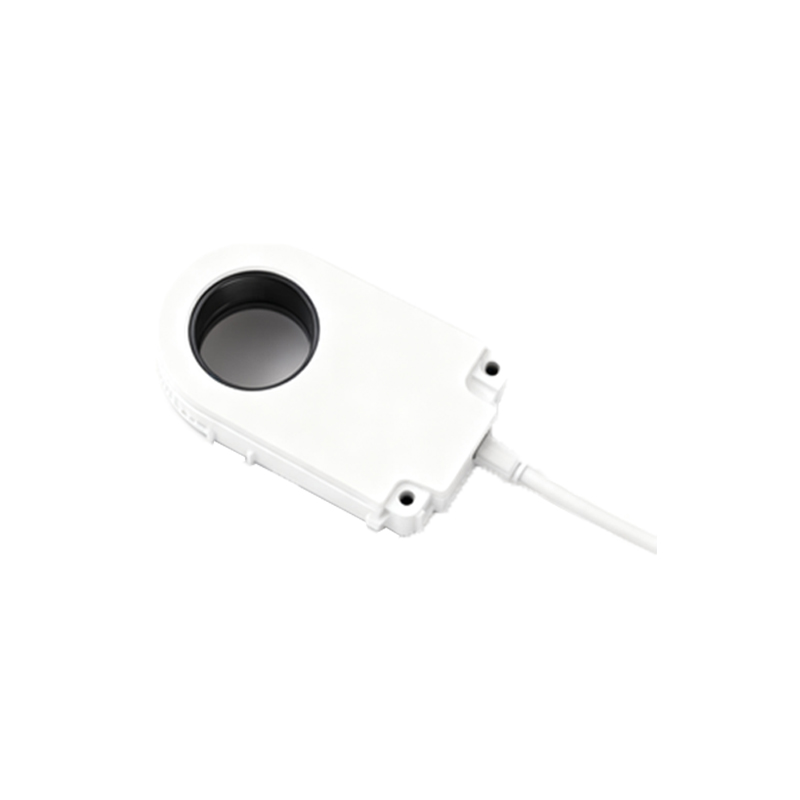
In conclusion, E2E proximity sensors represent a mature yet evolving technology integral to modern industrial automation. Their durability, accuracy, and versatility make them indispensable for tasks ranging from simple presence detection to complex positional control. By understanding their operating principles, technical specifications, and application nuances, engineers can optimize system design, enhance operational efficiency, and reduce downtime. As Industry 4.0 and IoT integration advance, future iterations may incorporate IO-Link communication for enhanced diagnostics and parameterization, further solidifying their role in smart factories.