Proximity sensors are essential components in industrial automation, robotics, and safety systems, detecting the presence or absence of objects without physical contact. These sensors operate based on various principles, each suited to specific applications and environments. Understanding the different types and models, along with visual references, helps in selecting the right sensor for a given task.
Inductive Proximity Sensors are widely used for detecting metallic objects. They generate an electromagnetic field and sense changes caused by metallic targets. Common models include cylindrical housings like the E2A series by Omron or the BI series by Schneider Electric, which are ideal for harsh industrial environments. Images typically show compact, metal-bodied sensors with LED indicators.
Capacitive Proximity Sensors can detect both metallic and non-metallic materials, such as liquids, plastics, or wood. They work by measuring changes in capacitance. Models like the E2K series by Omron or the CQ series by Pepperl+Fuchs often feature rectangular or cylindrical designs. Pictures highlight their versatile mounting options and sensitivity adjustment potentiometers.
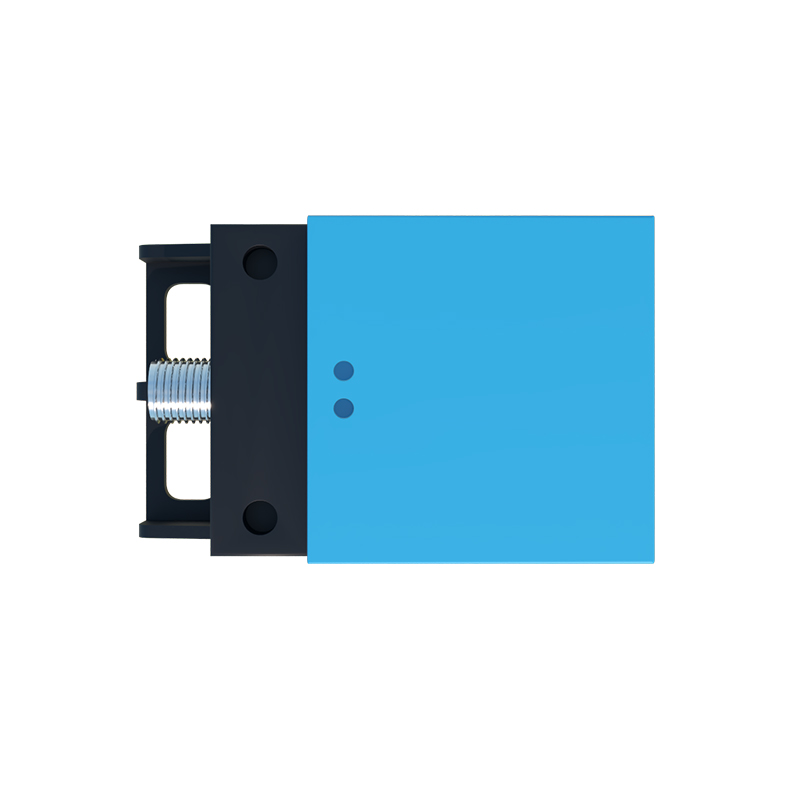
Ultrasonic Proximity Sensors use sound waves to detect objects, making them suitable for varied surfaces and distances. Examples include the UC series by Sick or the Q4X series by Banner Engineering. Images depict sensors with transducer heads and may show application scenarios like liquid level detection or conveyor belt monitoring.
Magnetic Proximity Sensors, including reed switches or Hall effect sensors, respond to magnetic fields. Models such as the D-A93 series by Honeywell are compact and used in position sensing. Photos often illustrate their small form factor and integration into assemblies like cylinder position indicators.
Photoelectric Proximity Sensors employ light beams (infrared or laser) for detection. They come in through-beam, retro-reflective, or diffuse reflective models. The E3Z series by Omron or the ML100 series by Allen-Bradley are popular choices. Images showcase their lens apertures and housing styles, with examples of long-range sensing setups.
Each type has distinct features: inductive sensors offer high precision for metals; capacitive sensors handle diverse materials; ultrasonic sensors excel in challenging environments; magnetic sensors provide reliable position feedback; and photoelectric sensors enable flexible, long-distance detection. Selection depends on factors like target material, sensing range, environmental conditions, and output requirements. Industry standards, such as IP ratings for ingress protection, are often visible in product images, aiding in durability assessment.
In practice, reviewing datasheets and visual guides ensures proper installation and performance. For instance, diagrams might illustrate mounting clearances or wiring configurations. As technology advances, smart sensors with IO-Link connectivity are becoming prevalent, enhancing diagnostic capabilities. Always consult manufacturer resources for detailed specifications and application examples to optimize system integration.