In the realm of industrial automation, proximity sensors play a pivotal role in enabling non-contact detection of objects, enhancing efficiency, safety, and precision. Among these, special type proximity sensors stand out due to their unique designs and capabilities tailored for challenging environments and specific applications. This article delves into the distinctive features of these sensors, exploring their operational principles, advantages, and common use cases in various industries.
Special type proximity sensors are engineered to overcome limitations faced by standard inductive, capacitive, or photoelectric sensors. They often incorporate advanced materials, specialized housings, or innovative sensing technologies to perform reliably under extreme conditions. For instance, high-temperature proximity sensors can operate in environments exceeding 150°C, making them ideal for foundries, welding operations, or engine compartments. Their construction typically involves heat-resistant alloys and ceramic components that prevent degradation and ensure stable output signals. Similarly, corrosion-resistant sensors are designed with stainless steel housings or plastic coatings to withstand exposure to chemicals, saltwater, or abrasive substances, commonly used in chemical processing, marine applications, or food and beverage industries.
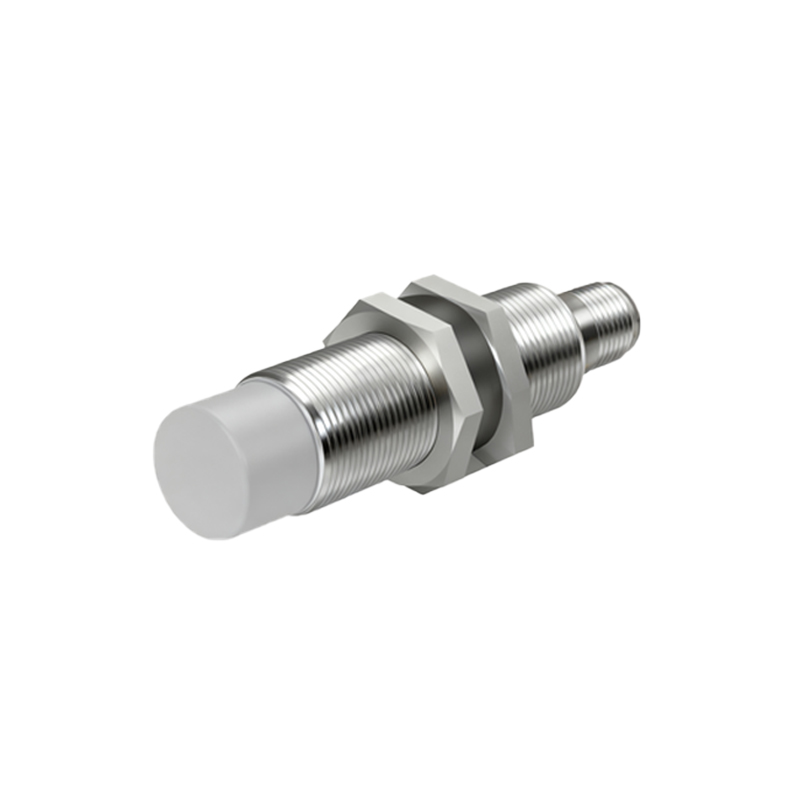
Another notable feature is their immunity to environmental interference. Many special type sensors are equipped with shielding or filtering mechanisms to minimize false triggers from electromagnetic noise, vibration, or dust. For example, weld-field immune proximity sensors can function correctly near welding equipment without being affected by strong magnetic fields, ensuring accurate detection in automotive manufacturing or metal fabrication. Additionally, sensors with IP68 or IP69K ratings offer robust protection against water and dust ingress, allowing deployment in washdown areas, outdoor settings, or harsh outdoor machinery.
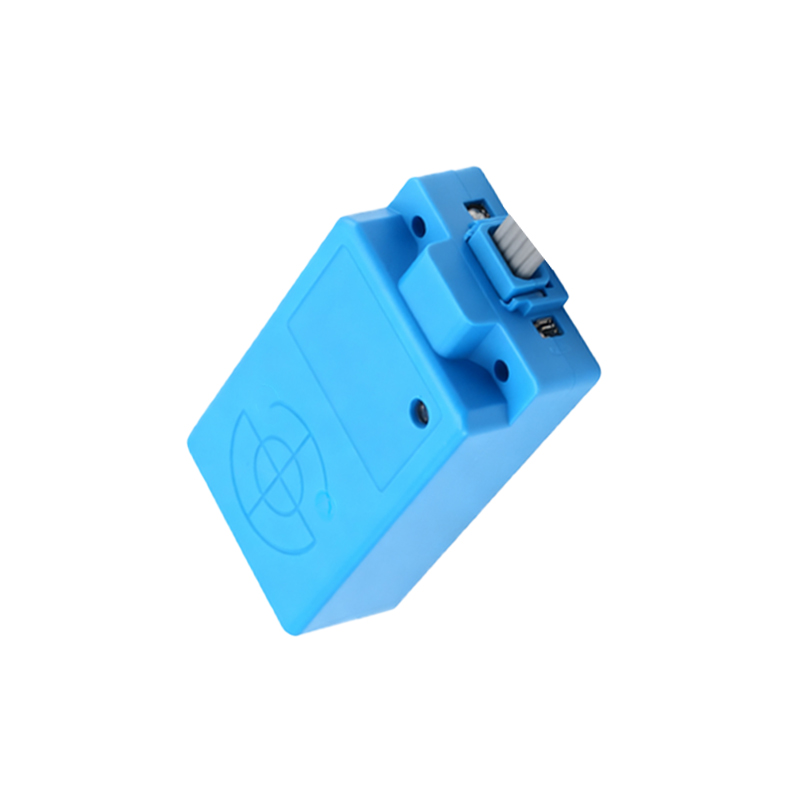
Precision and sensing range customization are also key attributes. Some special type sensors provide adjustable sensing distances or miniaturized form factors for space-constrained installations. Tubular sensors with extended ranges can detect objects several centimeters away, while flat-pack designs enable flush mounting in tight spaces. Moreover, analog output variants deliver continuous distance measurements, facilitating precise positioning control in robotics or conveyor systems. These sensors often support various output types, including NPN, PNP, or IO-Link, ensuring compatibility with diverse control systems.
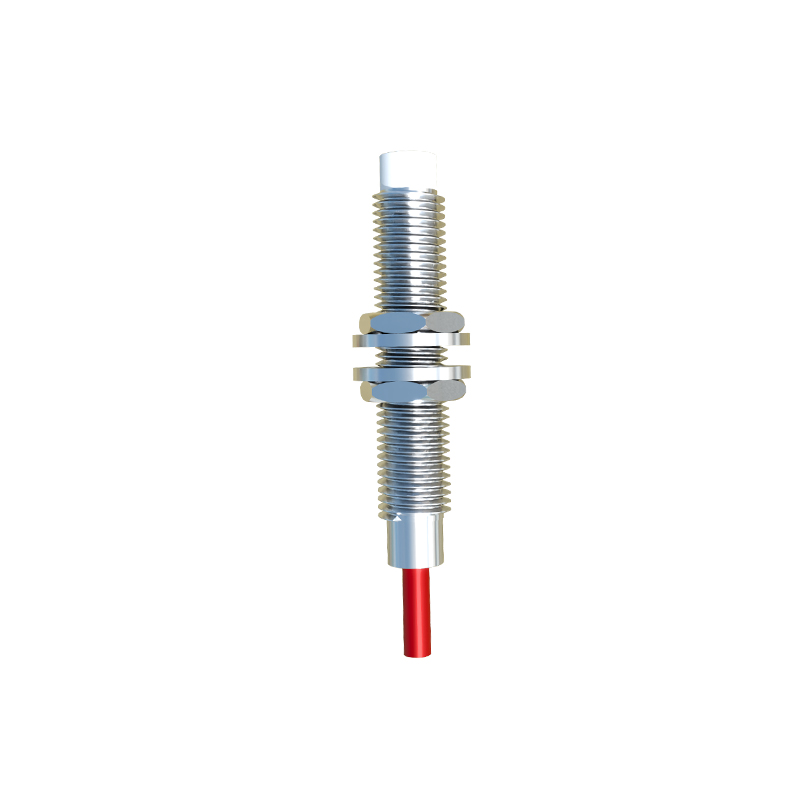
Energy efficiency and longevity further distinguish these devices. Utilizing low-power circuits and durable components, they reduce maintenance needs and operational costs. In battery-powered or mobile applications, such as automated guided vehicles (AGVs) or portable equipment, energy-saving sensors extend service life without compromising performance. Furthermore, self-diagnostic features, like short-circuit protection or condition monitoring alerts, enhance reliability by preventing downtime in critical processes.
In summary, special type proximity sensors offer tailored solutions for demanding industrial scenarios. Their ability to endure extreme temperatures, resist corrosion, avoid interference, and provide flexible configurations makes them indispensable in sectors like automotive, aerospace, pharmaceuticals, and heavy machinery. As automation evolves, these sensors will continue to advance, integrating smart technologies for improved connectivity and predictive maintenance, driving innovation in modern manufacturing and beyond.