In the realm of industrial automation and electrical engineering, proximity sensors play a pivotal role in enhancing efficiency, safety, and precision. Among the myriad of options available, the R11Splus proximity sensor stands out as a robust and reliable solution for diverse applications. This article delves into the technical specifications, operational principles, and practical uses of the R11Splus, complemented by detailed images to aid in identification and installation.
The R11Splus is an inductive proximity sensor designed to detect metallic objects without physical contact. It operates on the principle of electromagnetic induction, where an oscillator generates a high-frequency magnetic field. When a metallic target enters this field, eddy currents are induced, causing a change in the oscillator's amplitude. This change is detected by the sensor's circuitry, triggering an output signal. The R11Splus typically features a sensing range of up to 15 mm, depending on the specific model and target material, making it suitable for applications such as position sensing, object counting, and machine safety.
One of the key advantages of the R11Splus is its rugged construction. Housed in a stainless steel or nickel-plated brass body, it offers high resistance to mechanical stress, corrosion, and environmental factors like dust, moisture, and temperature fluctuations. Many models are rated IP67 or higher, ensuring reliable performance in harsh industrial settings. The sensor also incorporates LED indicators for status monitoring, simplifying troubleshooting and maintenance. Images of the R11Splus reveal a compact, cylindrical design with clear markings for wiring and mounting, often including threaded barrels for easy installation in standard fixtures.
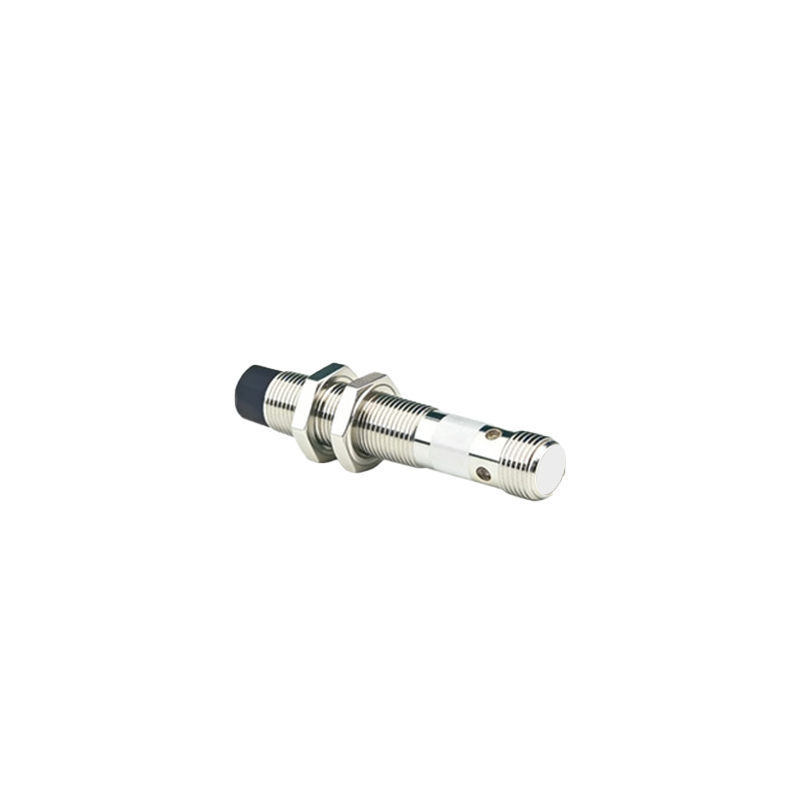
Wiring the R11Splus is straightforward, with options for both DC and AC versions. Common configurations include 3-wire DC (PNP or NPN) and 2-wire AC/DC, allowing integration into various control systems. The output can be normally open (NO) or normally closed (NC), providing flexibility for different logic requirements. In practice, the sensor is often used in conveyor systems, robotic arms, and assembly lines to detect the presence of parts, monitor limits, or prevent collisions. For instance, in automotive manufacturing, the R11Splus might sense engine components on a production line, ensuring accurate positioning before welding or machining.
When selecting an R11Splus sensor, engineers should consider factors such as the target material (ferrous vs. non-ferrous metals), required sensing distance, electrical specifications, and environmental conditions. It is crucial to refer to the manufacturer's datasheet for precise details, as performance can vary. Additionally, proper installation is essential to avoid interference from adjacent metal objects or electromagnetic noise. Mounting the sensor with adequate clearance and aligning it correctly with the target can optimize detection accuracy and longevity.
In summary, the R11Splus proximity sensor exemplifies innovation in electrical engineering, offering durability, versatility, and ease of use. Its ability to operate contactlessly reduces wear and tear, lowering maintenance costs and downtime. For professionals in automation, understanding its features through images and technical data can lead to more informed decisions, ultimately boosting productivity and safety in industrial operations. As technology evolves, sensors like the R11Splus continue to underpin smart manufacturing and Industry 4.0 initiatives, driving progress across sectors.