Laser sensors are integral components in modern industrial automation, offering unparalleled precision for tasks like object detection, positioning, measurement, and quality control. However, a common and disruptive issue faced in harsh industrial environments is sensor blockage. When a laser sensor's optical window or beam path becomes obstructed, it can lead to system failures, production downtime, and costly errors. Understanding the causes, implications, and solutions for laser sensor blockage is crucial for maintaining operational efficiency.
The primary cause of blockage is environmental contamination. Industrial settings often contain airborne particulates such as dust, oil mist, metal shavings, powder, or coolant spray. Over time, these contaminants accumulate on the sensor's lens or housing window, gradually attenuating or completely blocking the laser beam. In processes like welding, cutting, or material handling, spatter and debris can directly coat the sensor face in a very short time. Furthermore, condensation can form on the lens due to temperature fluctuations, especially in washdown areas or when moving between different climate-controlled zones, creating a film that scatters the laser light.
The consequences of a blocked laser sensor are immediate and severe. The most obvious symptom is a loss of signal. The sensor may fail to detect objects it previously could, or it might provide erratic, fluctuating readings. In critical applications, such as robotic guidance or safety light curtains, this can lead to misaligned operations, product defects, or even pose safety hazards. A partially blocked sensor might still function but with reduced accuracy, leading to subtle quality issues that are difficult to trace. Ultimately, unplanned stoppages for troubleshooting and cleaning directly impact Overall Equipment Effectiveness (OEE).
Prevention is always more effective than reaction. Selecting the right sensor for the environment is the first line of defense. For high-contamination areas, specify sensors with high Ingress Protection (IP) ratings (e.g., IP67, IP69K) that ensure resistance to dust and water jets. Many manufacturers offer sensors with built-in air purge connections. A constant, clean, low-pressure air stream directed across the lens creates a positive pressure barrier that prevents contaminants from settling. Similarly, installing protective mechanical barriers like transparent polycarbonate or glass shields in front of the sensor can intercept debris. These shields are cheaper and easier to clean or replace than the sensor itself. Proper sensor placement is also key; mounting sensors away from direct sources of contamination, such as above a spray path or out of the direct line of fallout, can significantly extend service intervals.
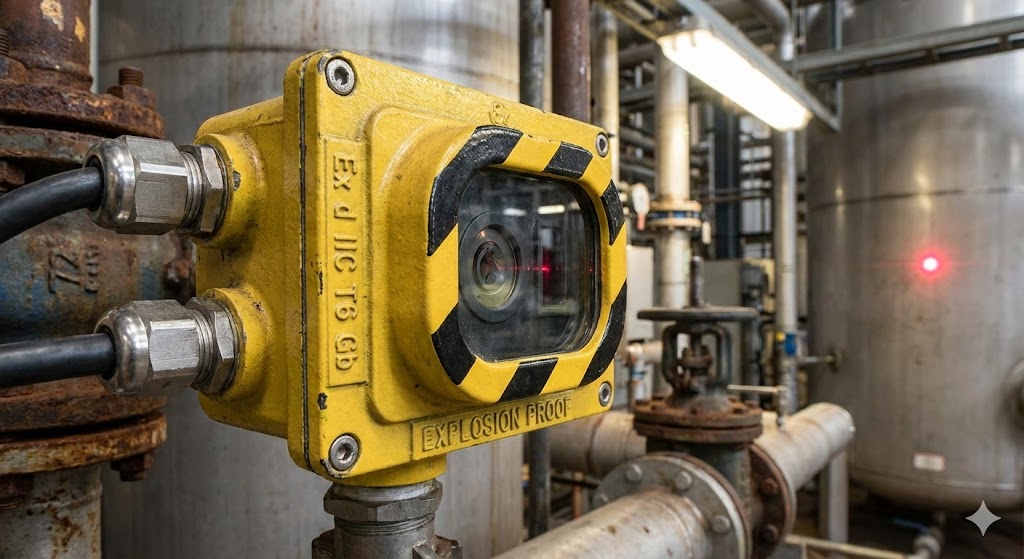
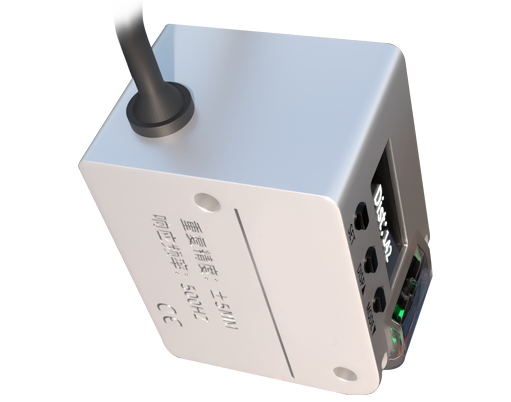
When blockage occurs, a systematic approach to resolution is necessary. First, consult the sensor's diagnostic indicators. Many modern laser sensors feature built-in diagnostics that can signal lens contamination through status LEDs or via network outputs indicating "signal strength low" or "receiver saturation." Before any physical intervention, safely lock out the equipment. For cleaning, use only approved materials: lens-grade tissue or a soft, lint-free cloth and an appropriate optical cleaner or isopropyl alcohol. Avoid abrasive cloths or standard industrial solvents that can damage anti-reflective coatings. Gently wipe the lens in a circular motion from the center outward. For sensors with protective windows, clean both the external shield and the primary sensor lens if accessible.
In advanced systems, implementing software-based compensation and monitoring can add an extra layer of reliability. Some sensors allow for the setting of a "maintenance alarm" threshold based on received signal amplitude. When contamination causes the signal to drop below this predefined level, the system can trigger an alert for preventive maintenance before a complete failure occurs. Additionally, regular scheduled maintenance, where sensors are inspected and cleaned as part of the routine, should be a documented procedure.
In conclusion, laser sensor blockage is an inevitable challenge in demanding industrial applications, but it is a manageable one. Through strategic sensor selection, proactive protective measures like air purging and physical barriers, and adherence to proper cleaning protocols, engineers can dramatically minimize downtime. Integrating sensor health monitoring into the facility's predictive maintenance strategy ensures that these critical components continue to deliver the precision and reliability that automated systems depend on, safeguarding productivity and product quality.