In the world of industrial automation and electronics, proximity sensors are indispensable components that detect the presence or absence of objects without physical contact. They are widely used in manufacturing, robotics, automotive systems, and consumer electronics. However, with the rise of online marketplaces and low-cost suppliers, it's now possible to find proximity sensors priced at just a few dollars. This raises a critical question: are these budget-friendly sensors reliable enough for professional or industrial applications?
To answer this, let's first understand the technology behind proximity sensors. They typically operate using inductive, capacitive, or photoelectric principles. Inductive sensors detect metallic objects, capacitive sensors sense both metallic and non-metallic materials, and photoelectric sensors use light beams. High-quality sensors from reputable brands like Omron, Schneider Electric, or Sick are engineered with precision, using durable materials and advanced circuitry to ensure accuracy, longevity, and stability in harsh environments. These sensors often undergo rigorous testing for factors like temperature resistance, shock tolerance, and electromagnetic compatibility (EMC).
In contrast, cheap proximity sensors, often sourced from generic manufacturers, may cut corners to achieve low prices. Common compromises include the use of inferior materials, simplified designs, and minimal quality control. For instance, the housing might be made from low-grade plastics or metals that degrade quickly under high temperatures or corrosive conditions. The internal electronics could lack proper shielding, leading to interference from nearby machinery or electrical noise. Additionally, calibration might be inconsistent, resulting in unreliable detection ranges or false triggers.
From a performance perspective, inexpensive sensors might work adequately in low-stakes, non-critical applications. For example, in a hobbyist project, educational setting, or simple DIY automation task where failure has minimal consequences, a cheap sensor could suffice. They can provide basic functionality for light-duty operations, such as detecting objects in a small-scale model or triggering a simple mechanism. However, in industrial or commercial scenarios where downtime, safety, and precision are paramount, the risks associated with low-cost sensors become significant.
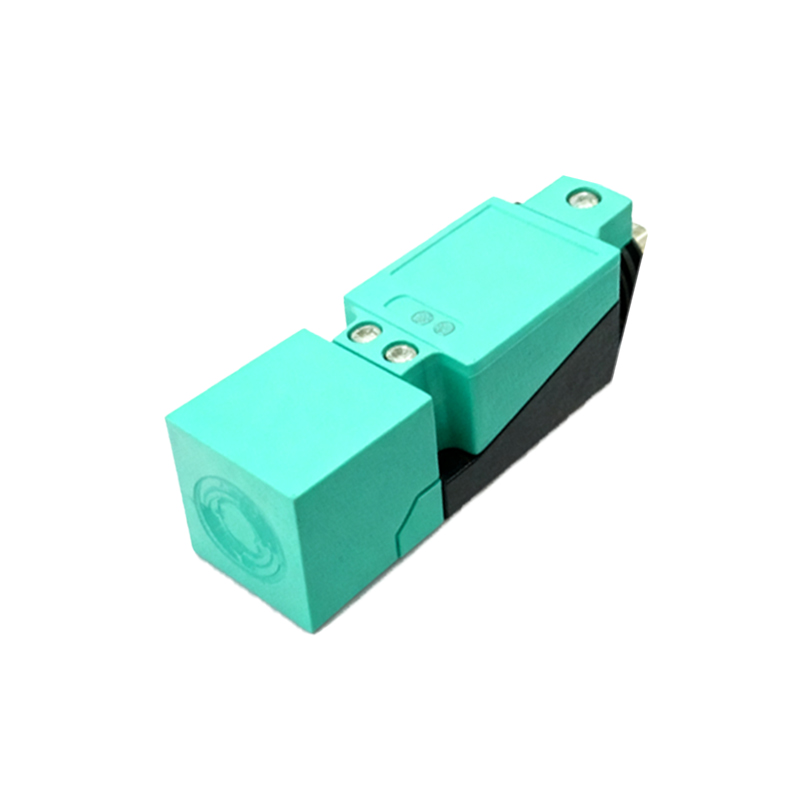
Consider an automotive assembly line where sensors ensure parts are correctly positioned. A malfunctioning sensor could halt production, causing costly delays and potential damage to equipment. Similarly, in safety systems like elevator doors or machinery guards, sensor failure could lead to accidents. Cheap sensors are more prone to wear and tear, with shorter lifespans that necessitate frequent replacements. Over time, this can increase total cost of ownership compared to investing in a robust, albeit more expensive, sensor upfront.
Another aspect to evaluate is technical support and documentation. Established brands offer detailed datasheets, application guides, and customer service to assist with installation and troubleshooting. Cheap sensors often come with limited or poorly translated manuals, making integration challenging. Compatibility with existing systems, such as PLCs (Programmable Logic Controllers) or interfaces, might also be an issue, as low-cost sensors may not adhere to industry standards like NPN/PNP output configurations or voltage ranges.
Environmental factors further highlight the limitations of budget sensors. In settings with extreme temperatures, high humidity, dust, or vibrations, premium sensors are designed to withstand these conditions through features like IP (Ingress Protection) ratings. Cheap alternatives may lack such certifications, leading to premature failure. For instance, a sensor rated for indoor use might malfunction in an outdoor application due to moisture ingress.
Despite these drawbacks, there are scenarios where cheap proximity sensors can be a viable option. For prototyping or testing phases, they allow engineers to validate concepts without significant investment. In cost-sensitive markets or for products with short lifecycles, such as disposable electronics, they might be economically justified. However, it's crucial to conduct thorough testing before deployment. Users should verify detection accuracy, response time, and durability under simulated operating conditions.
In conclusion, while cheap proximity sensors offer an attractive price point, their reliability is highly context-dependent. For critical, high-performance, or long-term applications, investing in quality sensors from trusted manufacturers is advisable to ensure safety, efficiency, and cost-effectiveness. For non-essential uses, budget sensors might provide a temporary solution, but users must weigh the potential risks against the savings. Ultimately, in engineering, the adage "you get what you pay for" often holds true—cutting corners on components like sensors can lead to greater expenses and complications down the line.