In the realm of industrial automation, achieving high-precision detection and differentiation of materials is paramount. Color mark laser sensors have emerged as a critical technology, enabling reliable identification of color marks, labels, or specific material features on moving production lines. Unlike standard photoelectric sensors that primarily detect presence or absence based on light intensity, color mark laser sensors utilize advanced laser technology and spectral analysis to distinguish subtle color variations with exceptional accuracy.
The core principle of a color mark laser sensor involves emitting a focused laser beam onto the target surface. The reflected light is then captured by a high-sensitivity receiver. Sophisticated internal electronics analyze the specific wavelength or intensity profile of this reflected light. By comparing this data to a pre-taught reference value for the desired color mark or background, the sensor can make a precise determination. This allows it to reliably detect marks that may have low contrast with their background, such as a light-gray mark on a white surface or a transparent mark on a glossy film, tasks where conventional sensors often fail.
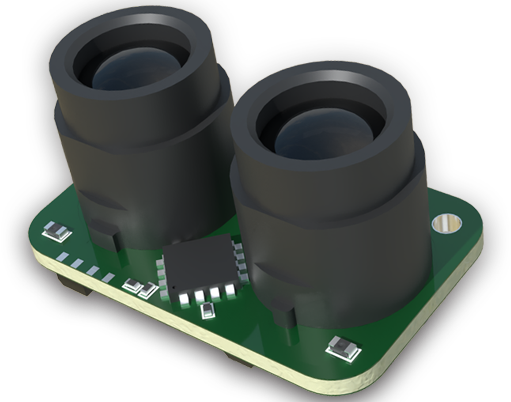
Key advantages of deploying color mark laser sensors are numerous. First and foremost is their unparalleled precision and repeatability. The coherent nature of laser light provides a stable, focused spot, minimizing the effects of ambient light interference and ensuring consistent readings even at high line speeds. This makes them ideal for applications like packaging, where registration marks must be detected to control cutter or printer alignment, or in the textile industry for pattern matching. Secondly, their ability to ignore minor target position variations (within the sensor's sensing window) due to the laser's focused beam reduces setup complexity and maintenance needs.
Modern color mark laser sensors come equipped with user-friendly features such as teach-in functions for easy setup, digital displays for configuration and diagnostics, and various output options (e.g., NPN/PNP, analog) for seamless integration into PLC-controlled systems. They are often built with robust housings rated for IP67 protection, making them suitable for harsh industrial environments involving dust, moisture, or vibration.
When selecting a color mark laser sensor, engineers must consider several application-specific parameters. These include the sensing distance, the minimum mark size to be detected, the required response speed to match production line velocity, and the color contrast between the mark and its background. Environmental factors like exposure to extreme temperatures or heavy particulate matter also guide the selection of an appropriately rated sensor model.
In conclusion, color mark laser sensors represent a sophisticated and indispensable tool in the automation engineer's arsenal. By providing reliable, high-speed color-based detection, they enhance quality control, improve production efficiency, and enable more complex automation processes. As manufacturing demands for flexibility and precision continue to grow, the role of these sensors in ensuring accurate material handling, packaging, and assembly operations will only become more significant. Their continued evolution, potentially integrating with smart factory data systems, points toward even greater capabilities in the future of industrial sensing.