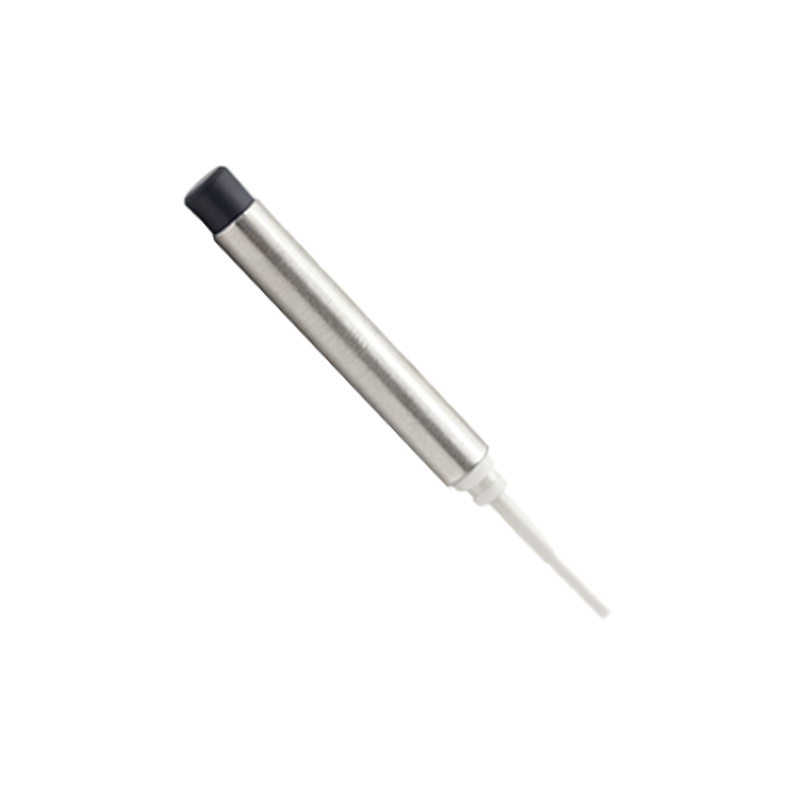
As an experienced electrical engineer specializing in sensor technologies, I often encounter questions about the cost of infrared proximity sensor chips. These components are integral to numerous applications, from consumer electronics like smartphones and tablets to industrial automation, robotics, and automotive systems. Understanding their pricing involves considering various factors that influence market rates.
Infrared proximity sensor chips operate by emitting infrared light and detecting its reflection from nearby objects. This simple yet effective mechanism enables touchless interaction, object detection, and distance measurement. The cost of these chips is not fixed; it fluctuates based on technical specifications, manufacturer reputation, order volume, and application requirements. Generally, prices can range from as low as $0.50 per unit for basic models in bulk purchases to over $10 for high-performance variants with advanced features like ambient light rejection, high accuracy, or extended range.
Key factors affecting pricing include sensitivity and range capabilities. Chips designed for short-range detection (e.g., up to 10 cm) in devices such as phones tend to be more affordable, often priced between $0.50 and $2.00. In contrast, sensors with longer ranges (e.g., up to 200 cm) or those incorporating additional functionalities like gesture recognition command higher prices, typically from $3 to $10 or more. The integration level also plays a role: discrete chips are cheaper, while modules with built-in signal processing or calibration circuits cost extra due to added convenience and reliability.
Manufacturer choice significantly impacts cost. Established brands like Vishay, Sharp, or STMicroelectronics may charge premium rates for their proven quality and support, whereas generic or lesser-known suppliers offer competitive pricing, sometimes below $0.50 per chip in large quantities. However, opting for cheaper alternatives can entail trade-offs in consistency, longevity, or technical support. For industrial or automotive-grade sensors, which must endure harsh environments and meet stringent standards, prices are higher, often exceeding $5 per unit.
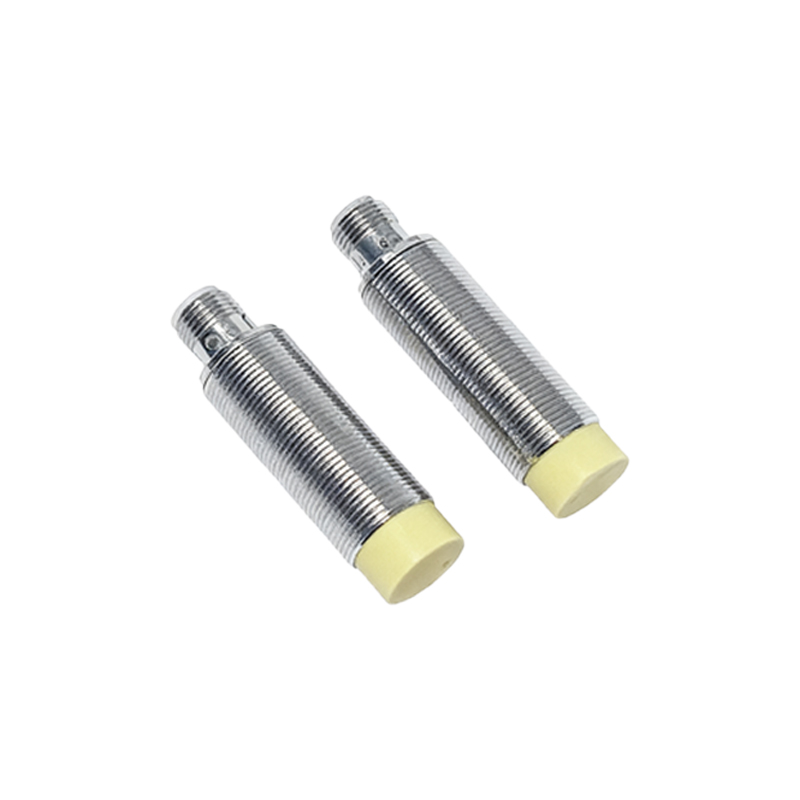
Order volume is another critical aspect. Purchasing in bulk—such as thousands or millions of units—can reduce per-chip costs dramatically through economies of scale. Many suppliers provide tiered pricing, where unit prices drop as quantities increase. For instance, a chip priced at $1.50 for small orders might fall to $0.80 when ordering 10,000 pieces. This makes cost planning essential for large-scale projects.
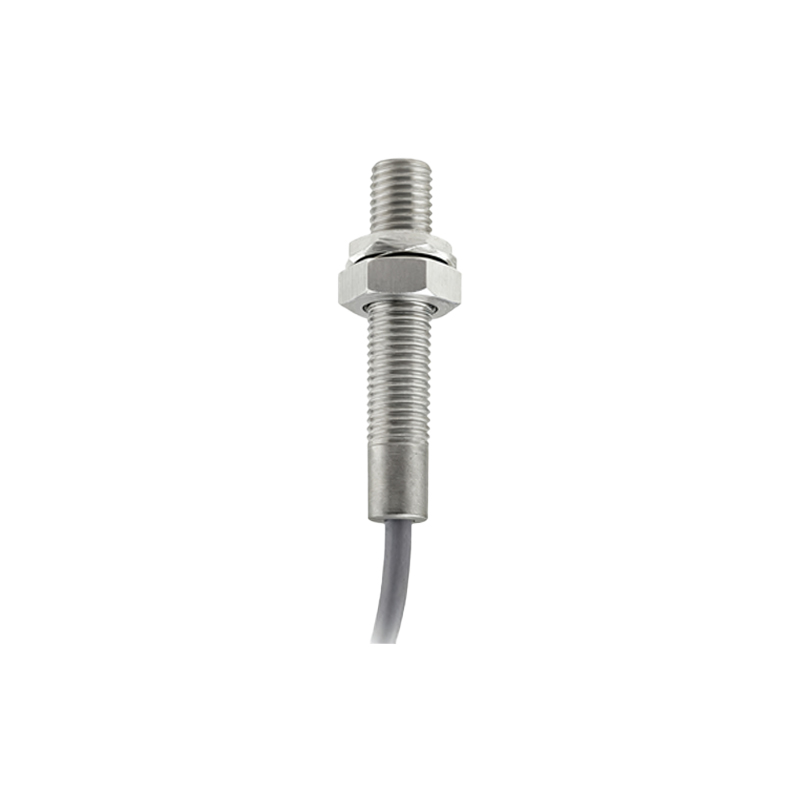
Market trends and supply chain dynamics also influence pricing. Advances in semiconductor technology, like miniaturization or improved energy efficiency, can lower costs over time. Conversely, shortages in raw materials or production disruptions, as seen during global chip crises, may drive prices up temporarily. Currently, the growing demand for automation and smart devices keeps the market competitive, with prices generally stable or declining for standard models.
When budgeting for infrared proximity sensor chips, engineers should balance cost with performance needs. For hobbyist or prototype projects, affordable options under $2 are widely available from distributors like Digi-Key or Mouser. In commercial applications, investing in reliable, mid-range chips ($2-$5) often pays off through reduced failure rates and maintenance. Always review datasheets for specifications like wavelength, response time, and power consumption to ensure value alignment.
In summary, the cost of infrared proximity sensor chips varies widely based on features, quality, and quantity. By assessing technical requirements and sourcing strategically, professionals can optimize expenses without compromising on functionality. As technology evolves, these sensors are likely to become even more cost-effective, further expanding their utility across industries.