In the realm of industrial automation, cylindrical proximity sensors are indispensable components, offering non-contact detection of metallic and non-metallic objects with high precision and reliability. These sensors, characterized by their rugged cylindrical housing, are designed to withstand harsh environments, including exposure to dust, moisture, and extreme temperatures. Selecting the right brand is crucial for ensuring optimal performance, longevity, and integration within complex control systems. This article explores leading brands that have set industry standards through innovation, quality, and global support.
Sick AG, a German powerhouse, is renowned for its high-performance inductive and capacitive cylindrical sensors. Their offerings, such as the IM series, are celebrated for exceptional switching frequency and resistance to electromagnetic interference. Sick sensors often feature advanced diagnostics and IO-Link communication, enabling predictive maintenance and seamless data integration into Industry 4.0 frameworks. The brand's commitment to robustness makes it a preferred choice in automotive and material handling applications.
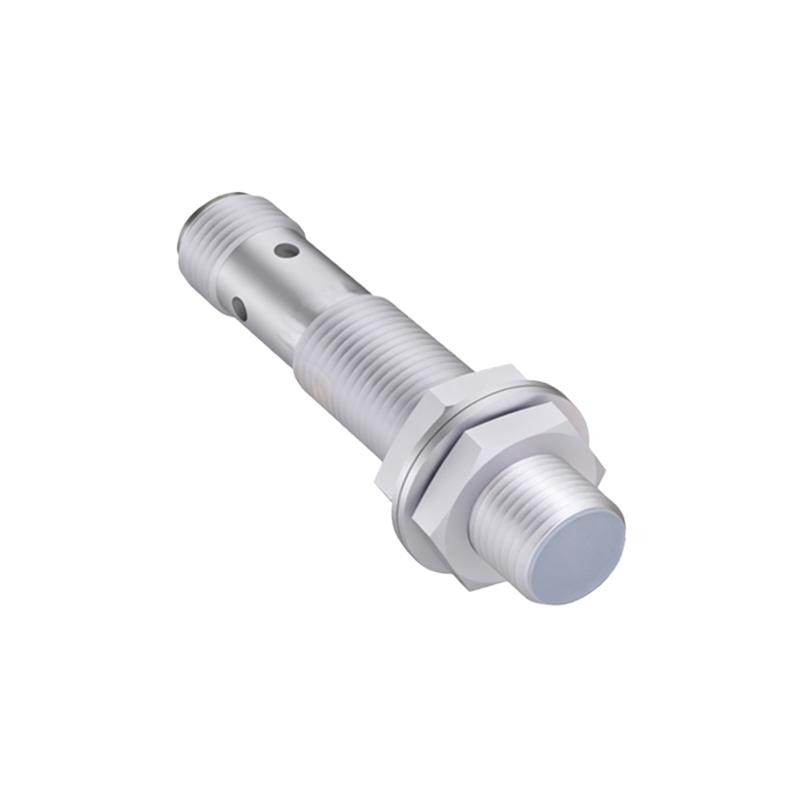
Omron Corporation, a Japanese leader, provides an extensive portfolio of cylindrical proximity sensors known for reliability and versatility. Models like the E2E series offer compact designs with all-metal housing, suitable for tight spaces. Omron excels in providing sensors with extended sensing ranges and high environmental resistance (IP67/IP69K ratings). Their focus on miniaturization without compromising performance has made them a staple in electronics assembly and packaging machinery.
Pepperl+Fuchs, another German specialist, stands out for engineering sensors that excel in challenging conditions. Their cylindrical sensors are often used in hazardous areas requiring ATEX or IECEx certifications. With a strong emphasis on modularity and customization, Pepperl+Fuchs provides solutions tailored to specific application needs, such as weld-field immunity in robotic welding cells or high-temperature resistance in foundries.
Balluff GmbH, based in Germany, is recognized for innovation in sensor technology, particularly in smart sensor solutions. Their cylindrical sensors frequently incorporate IO-Link interfaces, allowing for parameterization and condition monitoring. Balluff's BES series, for instance, offers variants with stainless steel housings for corrosive environments, catering to food and beverage or pharmaceutical industries where hygiene and durability are paramount.
IFM Electronic, a global player, emphasizes ease of use and system integration. Their cylindrical sensors are designed with user-friendly features like visible LED indicators and simple mounting mechanisms. IFM's product range includes efficient inductive sensors with teach-in functionality for adjustable switching points. The brand's strength lies in providing comprehensive solutions that reduce installation time and enhance operational efficiency across sectors like intralogistics and mobile machinery.
Rockwell Automation (Allen-Bradley), a major American brand, integrates cylindrical sensors into its broader ecosystem of control products. Their sensors are engineered for seamless compatibility with Allen-Bradley PLCs and networks, simplifying system design. Known for durability in heavy-industrial settings, such as mining and energy, Rockwell's sensors often feature enhanced resistance to vibration and mechanical shock, ensuring consistent performance in demanding applications.
Turck, a German innovator, offers cylindrical sensors with exceptional technical features, including extended range capabilities and high switching frequencies. Turck's designs often incorporate quick-disconnect connectors, reducing downtime during maintenance. Their sensors are widely used in automotive manufacturing and assembly lines, where speed and precision are critical. The brand also provides a range of hybrid sensors that combine proximity detection with additional functions like temperature sensing.
When selecting a cylindrical proximity sensor brand, engineers should consider factors such as sensing distance, material compatibility (ferrous/non-ferrous metals, plastics), environmental ratings, output types (PNP/NPN, analog, IO-Link), and supply chain reliability. Leading brands invest heavily in R&D to enhance features like energy efficiency, noise immunity, and connectivity. As industries advance toward smart manufacturing, the integration of IIoT capabilities in sensors is becoming a key differentiator, with brands like Sick, Balluff, and Pepperl+Fuchs at the forefront.
In conclusion, the choice of brand significantly impacts system performance and maintenance costs. While European brands often lead in precision and ruggedness, Japanese and American brands excel in reliability and system integration. Evaluating specific application requirements against each brand's strengths—whether it's Sick's diagnostic prowess, Omron's compactness, or Rockwell's network compatibility—will guide professionals toward an optimal selection for their automation projects.