Photoelectric proximity sensors represent a critical category of non-contact detection devices widely utilized across automation, manufacturing, packaging, and material handling industries. Their structural design directly influences performance metrics such as sensing range, accuracy, environmental adaptability, and longevity. This article delves into the core structural components and distinctive features of modern photoelectric proximity sensors, highlighting engineering considerations that enhance their operational reliability.
The fundamental architecture of a photoelectric proximity sensor comprises four primary modules: the emitter, receiver, optical system, and signal processing circuitry. The emitter typically employs a light-emitting diode (LED) or laser diode that projects modulated infrared, visible red, or laser light beams. Modulation—often via pulse or frequency modulation—minimizes interference from ambient light, a key structural consideration for stable operation in variable lighting conditions. The receiver incorporates a phototransistor, photodiode, or specialized IC designed to detect the emitted light’s reflection or interruption. Advanced sensors integrate ambient light suppression circuits within the receiver module, filtering out non-modulated environmental light to reduce false triggering.
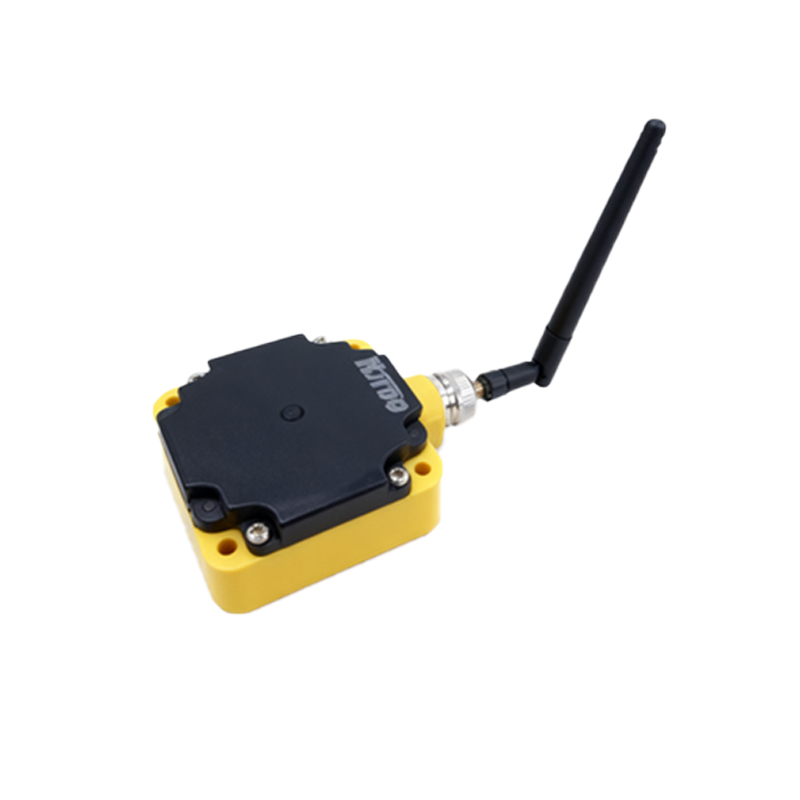
Optical components constitute another vital structural element. Lenses, apertures, and mirrors are precision-engineered to shape and direct the light beam. Convergent (focused) beam sensors use lenses to narrow the light path, enabling precise detection of small objects at specific distances. Diffuse (reflective) sensors feature lenses that scatter light broadly, suitable for detecting objects within a wider area without stringent alignment requirements. Through-beam sensors, comprising separate emitter and receiver units, rely on collimated optics to maintain beam integrity over long distances, often exceeding tens of meters. The housing material—commonly stainless steel, engineered plastics, or nickel-plated brass—provides mechanical robustness, IP-rated sealing (e.g., IP67/IP69K) against dust and moisture, and thermal stability for harsh industrial environments.
A defining structural feature is the sensor’s housing design, which integrates mounting threads (e.g., M8, M12, M18, M30 standards) for easy installation on machinery frames, conveyors, or robotic arms. Many models incorporate alignment indicators, such as LED status lights or built-in potentiometers for sensitivity adjustment, accessible without disassembly. The electrical interface typically includes quick-disconnect connectors or pre-wired cables with shielding to mitigate electromagnetic interference (EMI), ensuring signal integrity in electrically noisy settings.
Modern innovations in sensor structure include the integration of IO-Link communication protocols, enabling digital parameter configuration, diagnostics, and real-time data exchange with PLCs. Some designs feature modular components, allowing field-replaceable lenses or emitters to reduce maintenance downtime. Additionally, hygienic designs with smooth surfaces and FDA-compliant materials are structurally optimized for food, beverage, and pharmaceutical applications where washdowns and chemical exposure are frequent.
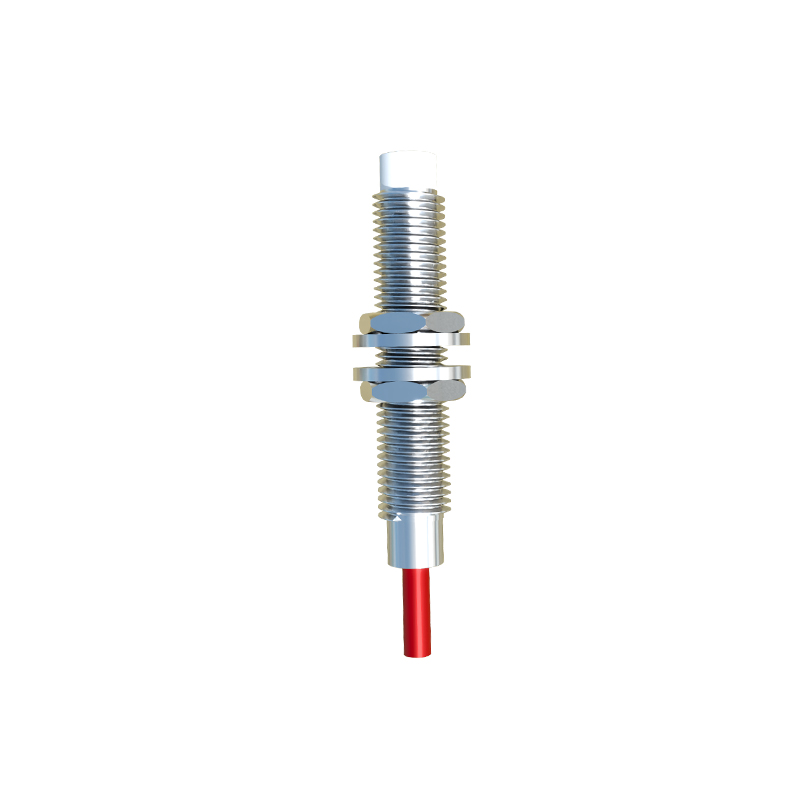
In practice, the structural resilience of photoelectric sensors enables diverse detection modes: retro-reflective sensors with polarizing filters ignore shiny objects; background suppression sensors use triangulation optics to ignore distant surfaces; and fiber-optic variants separate electronics from sensing points via flexible light guides, ideal for high-temperature or space-constrained installations. Engineers select sensors based on structural attributes like sensing range (from millimeters to meters), response time (microseconds to milliseconds), and temperature tolerance (typically -25°C to 70°C extended ranges).
Ultimately, the evolution of photoelectric proximity sensor structures continues to emphasize miniaturization, energy efficiency, and smart functionalities. By understanding these architectural nuances, automation professionals can deploy sensors that enhance system precision, reduce maintenance costs, and adapt to increasingly complex industrial landscapes.