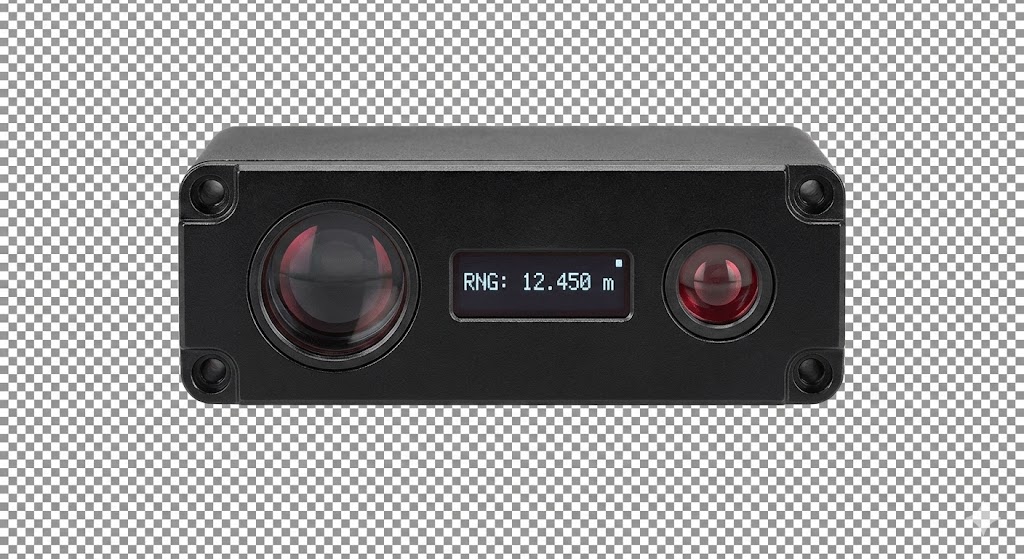
In the rapidly evolving field of electrical engineering, the integration of transparent sensors with laser detection technology represents a significant leap forward. These advanced components are revolutionizing industries by enabling non-invasive, high-precision monitoring and control in applications ranging from smart displays to biomedical devices. Transparent sensors, typically fabricated from materials like indium tin oxide (ITO), graphene, or conductive polymers, maintain optical clarity while providing essential electrical functionality. When combined with laser detection systems, they facilitate accurate measurement of parameters such as touch, pressure, temperature, and chemical presence without obstructing visibility.
The core principle involves using laser beams to interact with the sensor surface or the medium it monitors. For instance, in a touch-sensitive transparent panel, a grid of laser emitters and detectors along the edges can track interruptions in light paths caused by touch, allowing for precise localization. Similarly, in environmental sensing, lasers can probe transparent sensor films that change optical properties in response to specific stimuli, with variations in reflection, refraction, or absorption detected to quantify changes. This synergy enhances sensitivity and response time, outperforming traditional opaque sensors in scenarios where visual access is critical.
Key applications include automotive interfaces, where transparent sensors embedded in windshields enable gesture control without distracting drivers, and healthcare, where laser-detected transparent sensors monitor vital signs through wearable devices or surgical tools. In industrial automation, they ensure quality control by inspecting products through clear sensor layers, while in consumer electronics, they support seamless user experiences in smartphones and augmented reality displays. The technology also promotes energy efficiency, as laser systems often require lower power compared to conventional sensing methods.
Despite its advantages, challenges persist. Material durability under prolonged laser exposure, cost-effective manufacturing at scale, and signal interference in complex environments are ongoing concerns. Future developments may focus on hybrid materials with enhanced conductivity and transparency, alongside AI-driven laser calibration for adaptive sensing. As research progresses, the fusion of transparent sensors and laser detection is poised to become a cornerstone of smart infrastructure, driving innovation in the Internet of Things (IoT) and beyond. For electrical engineers, mastering this technology is essential for designing next-generation systems that are both functional and unobtrusive, paving the way for a more connected and intuitive world.