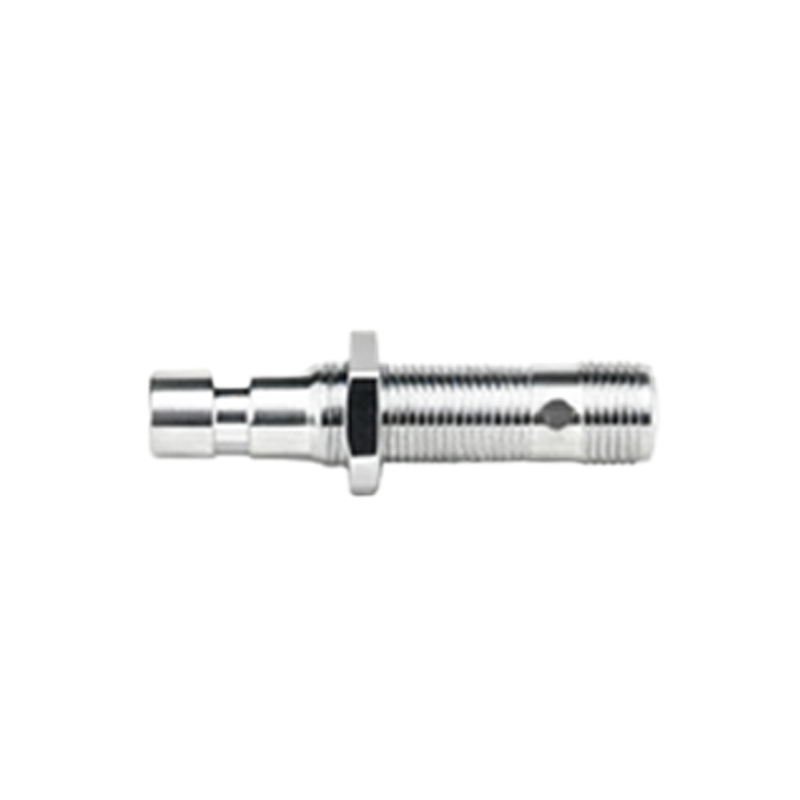
The LU6-D1NK10 proximity switch sensor is a widely utilized component in industrial automation and control systems, known for its reliability and precision in detecting the presence or absence of objects without physical contact. As an inductive proximity sensor, it operates based on the principle of electromagnetic induction, making it ideal for metallic object detection in harsh environments. This article delves into the technical specifications, operational mechanisms, and practical applications of the LU6-D1NK10, providing insights for engineers and technicians in the electrical and automation sectors.
The LU6-D1NK10 is designed with a cylindrical M6 housing, which allows for easy installation in compact spaces. Its sensing distance is rated at 1 mm, ensuring accurate detection of small metallic targets. The sensor features a DC three-wire configuration, with operating voltages typically ranging from 10 to 30 V DC, making it compatible with standard industrial power supplies. The output type is normally open (NO), which means the switch activates when an object enters its sensing range, closing the circuit to send a signal to the control system. This design minimizes energy consumption and enhances response times, with switching frequencies up to 1 kHz, suitable for high-speed applications.
One of the key advantages of the LU6-D1NK10 is its robust construction. It is often built with materials like nickel-plated brass or stainless steel, providing resistance to corrosion, moisture, and mechanical stress. Many models also incorporate IP67 or higher ingress protection ratings, ensuring reliable performance in dusty or wet conditions common in manufacturing plants, automotive assembly lines, and material handling systems. Additionally, the sensor includes built-in protection against short circuits, reverse polarity, and overload, which extends its lifespan and reduces maintenance needs.
In terms of functionality, the LU6-D1NK10 excels in non-contact sensing, eliminating wear and tear associated with mechanical switches. It generates an oscillating electromagnetic field from its coil; when a metallic object enters this field, eddy currents are induced, causing a change in oscillation amplitude. This change is detected by the sensor's circuitry, triggering the output signal. This process allows for precise detection of ferrous and non-ferrous metals, though sensitivity may vary based on material type and size. Engineers should calibrate the sensor according to specific application requirements to avoid false triggers or missed detections.
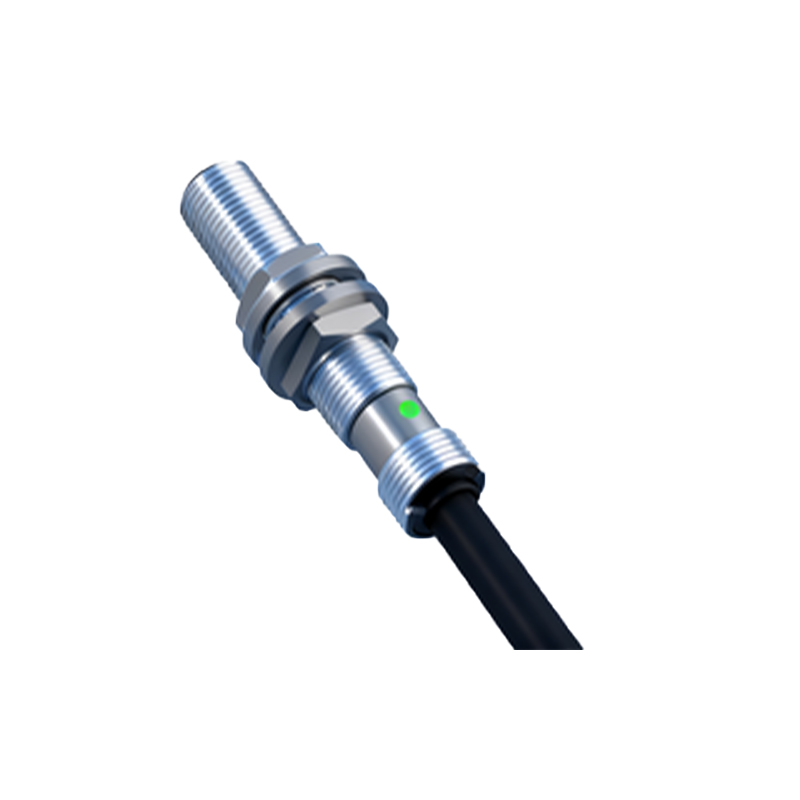
Applications of the LU6-D1NK10 are diverse across industries. In automotive manufacturing, it is used for position sensing in robotic arms, conveyor belt monitoring, and part counting. In packaging machinery, it ensures proper alignment of containers or labels. The sensor also plays a critical role in safety systems, such as detecting door closures or machine guard positions to prevent accidents. Its compatibility with programmable logic controllers (PLCs) and other automation devices makes it a versatile choice for integrating into complex control networks.
When selecting and installing the LU6-D1NK10, several factors must be considered. The sensing environment, including temperature extremes and electromagnetic interference, can affect performance. Proper mounting and alignment are crucial to maximize detection accuracy, and users should refer to the manufacturer's datasheet for guidelines on wiring and configuration. Regular testing and calibration are recommended to maintain optimal operation over time.
In summary, the LU6-D1NK10 proximity switch sensor is a fundamental component in modern industrial automation, offering durability, precision, and ease of integration. Its ability to operate in challenging conditions without direct contact makes it a preferred solution for enhancing efficiency and safety in various applications. As technology advances, such sensors continue to evolve, but the LU6-D1NK10 remains a trusted option for engineers seeking reliable object detection in electrical systems.